Trump Rejects NATO's Offer for Strait of Hormuz Security Support, Calls Alliance Ineffective
US President Donald Trump declines NATO assistance in Strait of Hormuz operation, labeling the alliance a 'paper tiger' amid rising tensions.
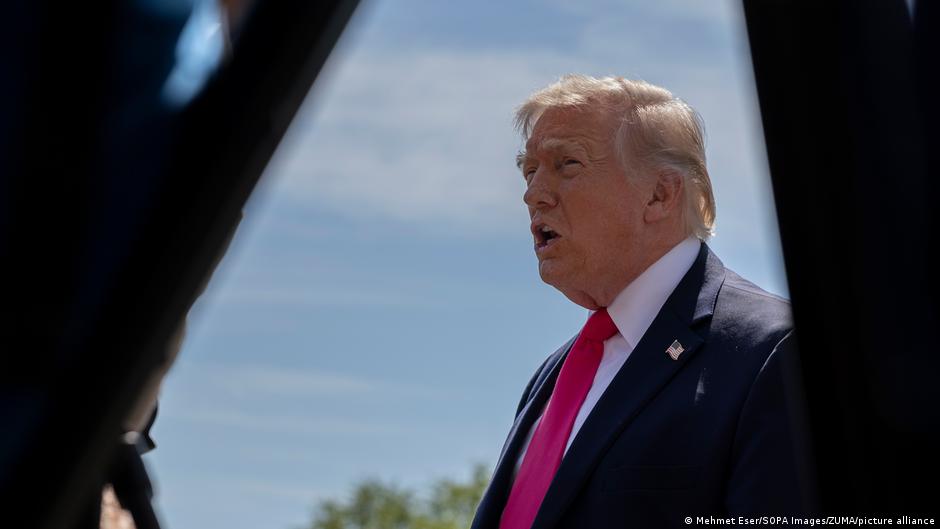
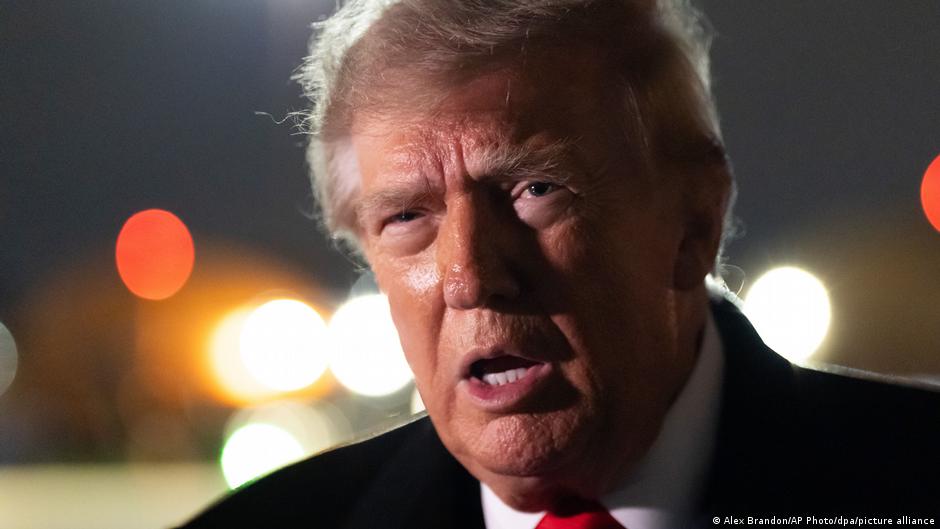
US President Donald Trump has dismissed NATO's offer to assist in securing the Strait of Hormuz, referring to the alliance as a "paper tiger" and instructing it to "stay out" of the region. This declaration comes amid a fragile ceasefire agreement between Israel and Lebanon and ongoing geopolitical instability in the Middle East.
Market Implications of NATO's Limited Role in Strait of Hormuz Security
On April 17, Trump revealed via his social media platform that NATO had reached out to offer support in managing security challenges around the Strait of Hormuz, a critical maritime chokepoint for global oil supplies. He bluntly rejected the offer, stating, "They were useless when needed—paper tigers!" He added that the alliance could remain uninvolved unless its vessels intended to simply load oil without engaging in security operations.
Simultaneously, European powers, notably France and the United Kingdom, announced plans to lead a multinational mission focused on safeguarding commercial navigation and demining operations in the strait. French President Emmanuel Macron and UK Labour leader Keir Starmer emphasized that the mission would be strictly defensive and peaceful, with over a dozen countries expressing willingness to contribute.
Germany's Chancellor Friedrich Merz also expressed readiness to participate, but underscored prerequisites including the cessation of hostilities in the Middle East and a solid legal framework such as a UN Security Council resolution. Merz further noted that US involvement would be desirable to legitimize and strengthen the operation.
"This mission will be exclusively peaceful and defensive, aimed at protecting commercial shipping and supporting demining," said Keir Starmer at a joint press conference in Paris.
Despite the ceasefire declared between Israel and Lebanon that commenced on April 17, clashes persisted the following day, with Lebanon accusing Israel of violations and Israel continuing operations against Hezbollah forces. Meanwhile, Trump and Iranian Foreign Minister Abbas Araghchi jointly announced the opening of the Strait of Hormuz for commercial shipping during the ceasefire period, though Trump maintained the US blockade on Iranian ports pending a formal agreement with Tehran.
Capital Market Reactions and Investor Considerations: The US refusal to engage NATO in the Strait of Hormuz security initiative introduces increased uncertainty into energy markets. The Strait is a strategic artery for roughly 20% of the world's petroleum trade. Elevated geopolitical risks typically drive crude oil prices upward due to potential supply disruptions.
European-led security efforts without direct US military backing could be perceived as fragmented, potentially undermining market confidence in rapid conflict resolution. Equity markets in energy and defense sectors may experience volatility as investors reassess risks associated with Middle East tensions and the scope of Western military cooperation.
Bond markets, especially sovereign debt of nations involved in the Middle East and European participants, might face pressure depending on shifts in risk appetite. Investors should monitor NATO’s evolving role and US policy signals closely, as these will influence global risk premiums and commodity price dynamics.
In summary, Trump's rejection of NATO's assistance in the Strait of Hormuz security mission highlights a divergence in transatlantic security strategy, with significant repercussions for capital markets sensitive to geopolitical risk, energy supply stability, and defense sector outlooks.