Israeli Navy Detains Gaza Aid Flotilla Vessels, Impacting Regional Maritime Trade and Investor Sentiment
Israeli forces intercepted Global Sumud Flotilla ships en route to Gaza, intensifying regional blockade and affecting capital markets amid ongoing geopolitical tensions.
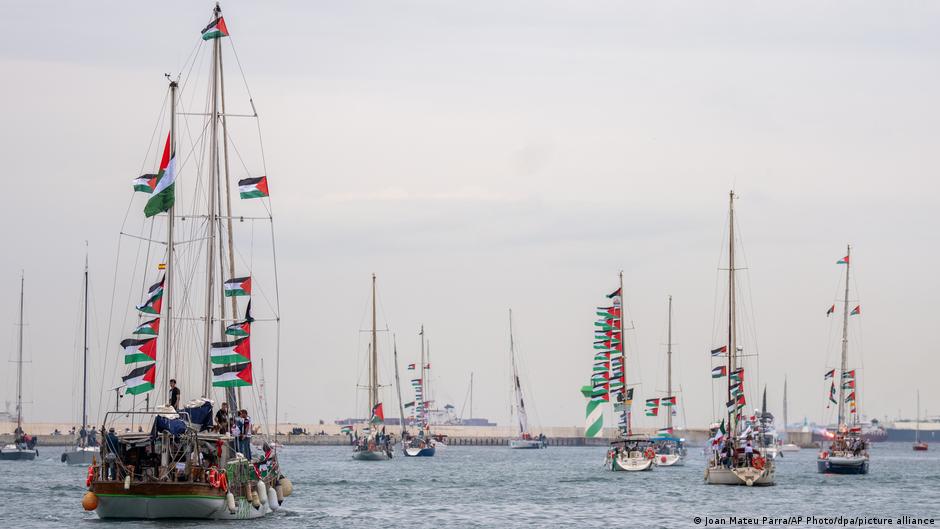
The Israeli navy has detained several vessels from the Global Sumud Flotilla, which was carrying humanitarian aid intended for the Gaza Strip. The flotilla, described as one of the largest attempts to reach Gaza by sea, departed from a Sicilian port on April 26 but was intercepted and partially towed to the Israeli port of Ashdod.
Market Reactions and Investor Concerns amid Heightened Tensions
The escalation surrounding the maritime blockade of Gaza has triggered increased volatility in regional equity and bond markets. Investors are closely monitoring how the sustained Israeli naval blockade, supported by Egypt since 2007, affects trade flows and stability in the Eastern Mediterranean.
"The Israeli armed forces are currently enforcing a naval blockade on Gaza," said the Global Sumud Flotilla in a social media statement, highlighting the ongoing geopolitical risks in the region.
The disruption of the flotilla, which had lost communication with some vessels and sent out distress signals, underscores the operational risks for maritime transport and the humanitarian supply chain. This development comes amid efforts to establish a permanent humanitarian corridor to Gaza, which remains contested territory with significant implications for regional economic stability.
Capital markets have responded with caution to the news. Shares of companies involved in maritime logistics and Middle Eastern energy sectors have experienced mixed performance, reflecting investor uncertainty. Bond yields for Israeli government debt showed slight fluctuation, indicative of risk reassessment related to regional security dynamics.
Furthermore, the flotilla's attempt follows a fragile ceasefire agreement brokered in October 2025 between Israel and Hamas, facilitated by the United States and regional stakeholders including Turkey, Qatar, and Egypt. The ceasefire initially resulted in the release of Israeli hostages in exchange for Palestinian prisoners, but the region remains under strain as efforts to implement a lasting peace and humanitarian access continue.
For investors, the maritime blockade and flotilla interception serve as a reminder of how geopolitical events can rapidly influence asset valuations and risk profiles. Market participants may anticipate further fluctuations in equities and bonds sensitive to Middle Eastern geopolitical developments until a clearer resolution emerges.
In January 2026, the U.S. White House announced the commencement of the second phase of a peace plan aimed at ending hostilities in Gaza by transitioning regional governance to a National Committee, eventually overseen by the Palestinian National Authority. This political framework, if successful, could stabilize the humanitarian situation and improve market confidence over the medium term.
Investors are advised to watch closely for developments in maritime security and diplomatic negotiations, which will likely continue to shape the risk environment in the Eastern Mediterranean capital markets.