UK Revokes Accreditation of Russian Diplomat Amid Heightened Diplomatic Tensions
London responds to Moscow's expulsion of British diplomat with reciprocal accreditation withdrawal, impacting market stability concerns.
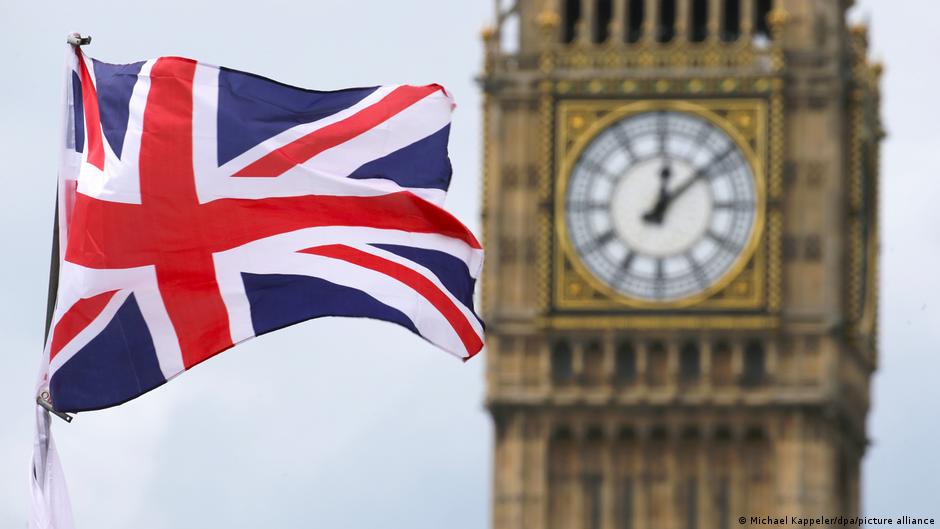
On April 29, the UK Foreign Office summoned the Russian Ambassador to London, Andrey Kelin, to announce the revocation of accreditation for a Russian diplomat. This move is a direct response to Moscow's recent expulsion of a British diplomat, Jansen van Rensburg, who was accused of espionage by Russian security services.
The diplomatic spat has underscored escalating tensions between the two countries, eliciting concern among market participants about potential geopolitical risks impacting capital markets. Investors and analysts are closely monitoring these developments for any signals of broader geopolitical instability that could affect equities and bond markets.
Market Implications of Diplomatic Escalation
"Repeated unprovoked actions by Russia are viewed as part of a broader campaign of aggressive behavior towards the UK," a UK government spokesperson stated.
The UK government condemned Russia's expulsion of another British diplomat last month as "unjustified" and criticized the accompanying public campaign to undermine the diplomat's reputation. In a mirror response, the UK withdrew the accreditation of a Russian diplomat, reinforcing a tit-for-tat dynamic between the two nations.
This diplomatic tit-for-tat comes against the backdrop of increased geopolitical risk that typically tends to increase market volatility. While these diplomatic moves have not yet triggered major market sell-offs, risk premiums on UK government bonds and Russian sovereign debt have seen subtle shifts, with investors pricing in the possibility of further sanctions or retaliatory actions.
Financial markets are inherently sensitive to geopolitical uncertainties that can affect trade relations, cross-border investment, and currency stability. The revocation of diplomatic credentials signals a hardening stance that may foreshadow additional diplomatic or economic measures, factors that capital market investors must weigh carefully.
Russia's Federal Security Service (FSB) had previously accused Jansen van Rensburg, the second secretary of the UK Embassy in Moscow, of espionage activities threatening Russian security. In late March, the Russian Foreign Ministry ordered him to leave the country within two weeks, citing intelligence findings.
The UK Foreign Office rejected these accusations as "completely unacceptable," reaffirming its commitment to protect diplomatic staff and their families from intimidation. Earlier in January, Russia also withdrew accreditation from David Garrett Samuel, an employee of the UK Embassy in Moscow, accusing him of being an undeclared intelligence operative.
Such reciprocal expulsions heighten diplomatic friction, potentially affecting investor sentiment, especially in sectors linked to international trade and energy markets where Russia plays a pivotal role. Market participants remain cautious, assessing the risk of further diplomatic escalations potentially leading to sanctions or trade disruptions.
London has warned that any further provocations by Russia will be viewed as an escalation and will be met with a firm and proportionate response, signaling a continued tense environment with implications for political risk assessments in investment decisions.
In summary, investors should monitor these evolving diplomatic exchanges closely, as sustained tensions may influence market dynamics, particularly in UK equities and sovereign bonds, as well as in emerging markets with exposure to Russian geopolitical risk.