US Markets React to Trump Portrait Passports and Commemorative Currency Ahead of 250th Independence Anniversary
New US passports featuring President Trump’s portrait and signature on currency and coins have sparked investor attention amid political and economic implications.
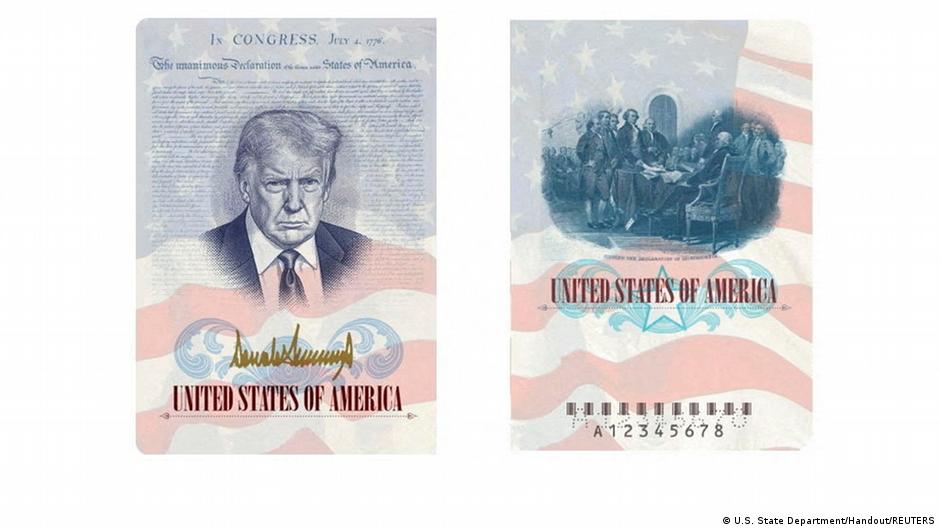
The United States government has announced the issuance of a special series of passports featuring the portrait of current President Donald Trump as part of the country’s 250th anniversary of independence celebrations. These passports will be primarily distributed in Washington, D.C., with an unknown total number planned for release.
The U.S. State Department confirmed on April 28 that passports issued in the capital will include a distinctive design displaying Trump’s face and signature in gold letters on the inside cover. The back cover will feature a segment of John Trumbull’s historic painting "Declaration of Independence." However, passports issued online or at other locations will retain the standard design, which traditionally features artwork by Edward Percy Moran.
Investor and Market Implications
This unusual move to place a sitting president’s portrait on official government documents and currency is unprecedented in recent decades and has triggered diverse reactions across capital markets. While the immediate market impact appears muted, analysts caution that such politicization of national symbols may heighten uncertainty, particularly among investors sensitive to governance and institutional stability.
"The incorporation of President Trump’s image on passports and currency introduces new political symbolism into financial instruments, creating potential volatility in market perception and investor confidence," commented a market strategist.
On March 26, it was revealed that President Trump’s signature will replace that of the U.S. Treasurer on the $100 bill issued for the 250th anniversary, marking the first such signature change in 165 years. Additionally, the U.S. Commission of Fine Arts approved the minting of a 24-karat gold coin featuring Trump with the inscription "Liberty." Notably, the Trump administration dismissed all commission members in October 2025, appointing loyalists in their stead.
These developments are symbolic, but they also intersect with broader fiscal and institutional dynamics that investors monitor closely. The replacement of traditional design elements with politically charged imagery may lead to increased scrutiny of government-issued assets, including bonds and currency-backed securities.
Further, renaming prominent national institutions such as the U.S. Institute of Peace and the John F. Kennedy Performing Arts Center to include President Trump’s name, along with plans to build new naval vessels named after him, signals an intensified blending of political legacy with state instruments. Such moves could influence investor sentiment regarding U.S. political stability and governance norms, potentially affecting equities tied to defense contractors and related sectors.
While consumer-facing impacts of these design changes remain largely symbolic, capital markets are likely to weigh the broader implications as they assess risks and opportunities amidst evolving political narratives. Investors with exposure to U.S. government securities and related equities should remain alert to how these developments may feed into market volatility and risk assessments.