U.S. Diplomatic Leadership Changes in Ukraine Signal Market Uncertainty Amid Geopolitical Tensions
Departures of key U.S. diplomats in Ukraine highlight increased risks for investors amid strained U.S.-Ukraine relations and stalled peace efforts.
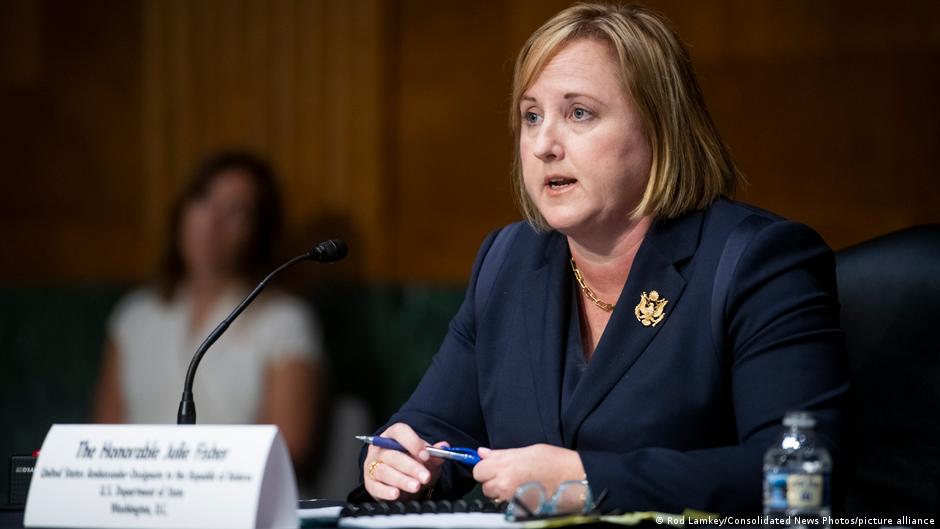
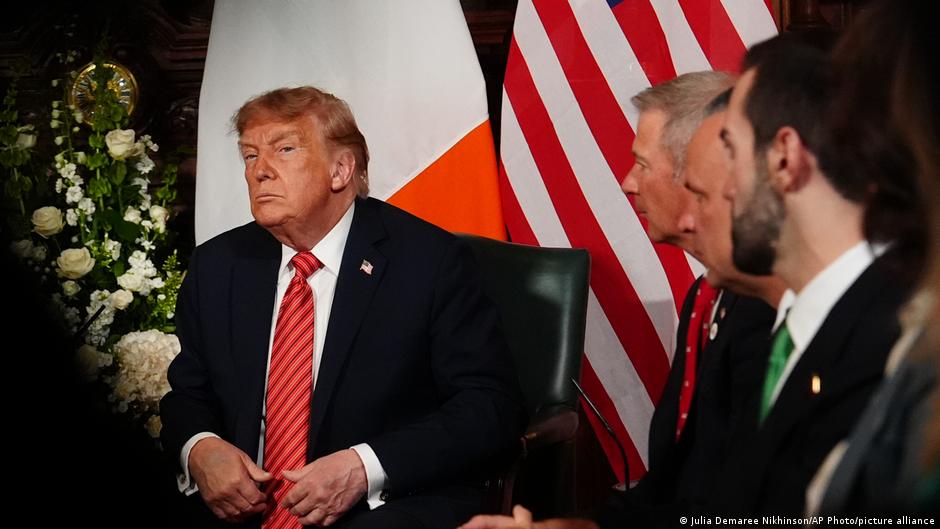
The United States is witnessing significant changes in its diplomatic leadership in Ukraine, with Julie Davis, the acting U.S. chargé d'affaires, set to depart Kyiv in the coming weeks. This development follows increasing tensions between U.S. political leadership and Ukraine, notably due to President Donald Trump's reduction of American support for Kyiv. The shift has stirred concerns in capital markets about the stability of U.S. foreign policy and its potential effects on regional security and economic risks.
Diplomatic Departures and Market Implications
Julie Davis, who temporarily assumed the role of U.S. envoy to Ukraine in May 2025, plans to resign from diplomatic service after a 30-year career. Her decision comes amidst reports of disagreements with President Trump over Ukraine policy, though the U.S. State Department has publicly denied that her departure is politically motivated.
The exit of Davis follows the earlier resignation of Ambassador Bridget Brink in April 2025, a Biden appointee and strong advocate for sustained aid to Ukraine. Brink cited pressure from the Trump administration, accusing it of favoring Russia over Ukraine since taking office. Market participants have noted that these diplomatic withdrawals coincide with a halt in U.S. military assistance and intelligence sharing with Kyiv, signaling a more cautious U.S. stance amid ongoing conflict.
"The diplomatic vacuum in Kyiv emerges as Russia prepares for potential military advances while peace negotiations remain deadlocked," analysts warn.
From a capital markets perspective, these developments add layers of uncertainty. Investors in equities and bonds linked to Eastern Europe, defense sectors, and global risk-sensitive assets are closely monitoring the evolving U.S. policy. The perceived decline in U.S. commitment to Ukraine could increase geopolitical risk premiums, driving volatility in markets sensitive to Eastern European stability.
Broader Context and Investor Impact
Since 2019, the U.S. diplomatic engagement in Ukraine has been tumultuous. The departure of former Ambassador Marie Yovanovitch, allegedly pushed out due to President Trump's political disputes, coupled with the current reshuffling, underscores the fragile nature of U.S.-Ukraine relations. This fragility complicates the outlook for international support programs, defense contracts, and the broader investment climate in the region.
For investors, this means reassessing exposure to affected sectors and countries. Bonds issued by Ukraine or firms dependent on Western aid might face higher risk premiums. Equities in defense and security sectors could experience increased volatility as policy shifts could lead to fluctuating government contracts and funding. Additionally, heightened geopolitical risks may prompt a flight to safe-haven assets, influencing yields and equity valuations globally.
Overall, the diplomatic changes in Ukraine, as the conflict persists, emphasize the importance of geopolitical risk management in investment strategies. Market participants should remain vigilant about policy signals from Washington and their ripple effects on regional stability and capital flows.