US Military Strikes Iran Following Downing of Apache Helicopter Amid Heightened Regional Tensions
US airstrikes targeting Iranian air defense and radar systems trigger market uncertainty amid escalating Middle East conflict.
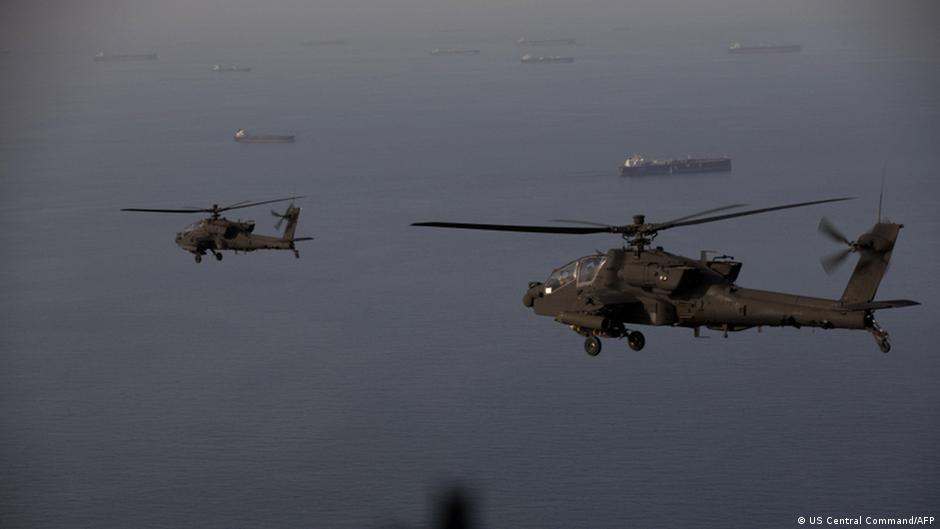
The United States military launched targeted strikes against Iranian air defense and radar installations near the Strait of Hormuz on June 9, escalating tensions following the downing of a US Apache helicopter by Iranian forces. The operation, described by US Central Command (CENTCOM) as a "proportional response" to Iranian aggression, has reverberated through global markets, intensifying investor anxiety about geopolitical risks in the energy-rich region.
Market Response to Renewed US-Iran Hostilities
Following the news of the strikes, equities markets showed signs of pressure, particularly in sectors sensitive to Middle East instability, such as energy and defense. Oil prices, already volatile due to ongoing regional uncertainties, experienced upward movement on concerns over potential supply disruptions near the strategically critical Strait of Hormuz, through which a significant portion of global oil shipments transit.
"This operation is a clear message that tensions in the Persian Gulf remain a key risk factor for investors, especially those with exposure to energy and defense sectors," noted a market analyst.
Bond markets also responded, with a flight to safety observed in US Treasury yields as investors sought refuge amid growing uncertainty. Emerging market bonds, particularly from regional economies, experienced widening spreads, reflecting increased risk premiums.
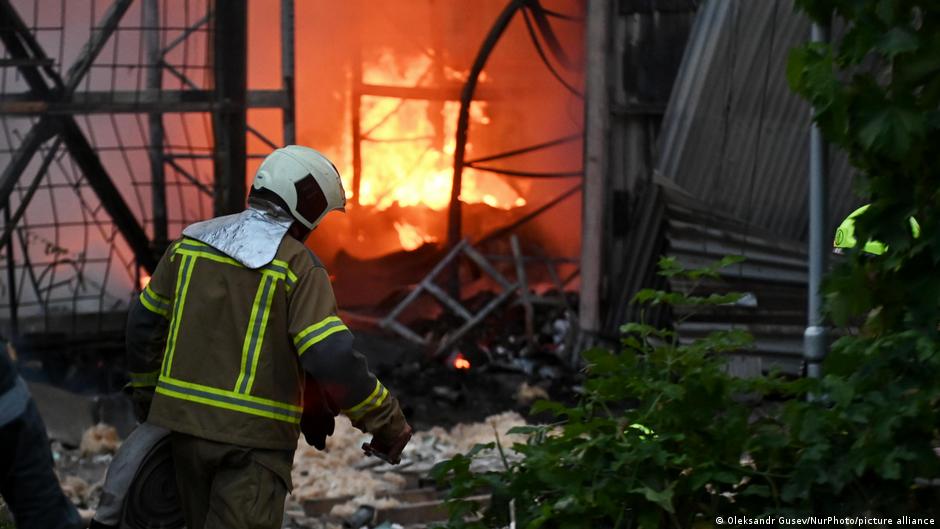
Iranian state media reported explosions in southern Iran near the Strait of Hormuz, confirming the US strikes. Iranian Foreign Minister Abbas Araghchi issued a stern warning of retaliatory measures, emphasizing that Iran's armed forces would respond firmly to any aggression.
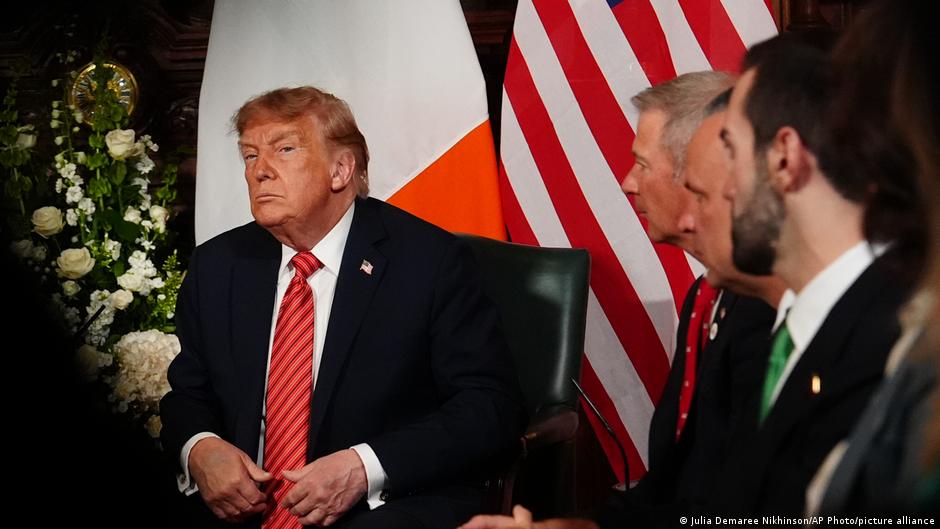
The US administration framed the strikes as a necessary response after the Apache helicopter was downed during a patrol over the Strait of Hormuz. President Donald Trump described the military action as "very strong and powerful," underscoring the administration's commitment to responding decisively to threats against US forces.
Prolonged tensions have seen a recent spike in hostilities, including cross-border missile exchanges between Iran and Israel, despite attempts at temporary ceasefire agreements. The heightened conflict raises concerns about broader regional destabilization, which could further impact global energy markets and investor confidence.
For investors, the evolving situation underscores the importance of monitoring geopolitical developments in the Middle East, given their potential to influence commodity prices, defense stocks, and broader market stability. Market participants are advised to reassess risk exposures and consider hedging strategies amid persistent uncertainty.