Iran Replenishes Missile Stockpile with Possible Russian Support, Impacting Regional Security and Markets
Iran appears to have restored most of its missile arsenal, reportedly with recent Russian deliveries, influencing geopolitical risk and investor sentiment.
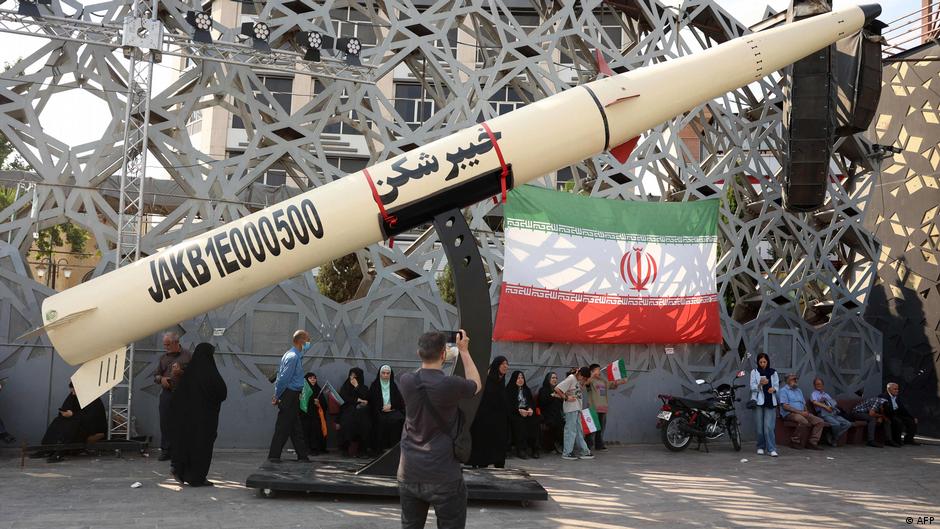
New intelligence reports suggest that Iran has successfully replenished its missile stockpile despite ongoing regional tensions and sanctions, with indications that Russia may have supplied new missile systems. This development has significant implications for global capital markets, particularly in the defense sector and energy commodities.
Missile Stockpile Recovery and Russian Involvement
According to Western intelligence sources cited by Bloomberg, Iran's missile arsenal currently stands at approximately 75% of the pre-escalation levels witnessed prior to recent US and Israeli attacks. The recovery comes after an eight-week ceasefire between Iran and the United States, during which Tehran allegedly received new Russian-made missiles "likely produced within the last year." These deliveries may have bolstered Iran’s firepower, enabling it to maintain a credible deterrent capability in the event hostilities renew.
In March, amid intense conflict in the Middle East, US intelligence estimated Iran's missile reserves at around 60% of their initial capacity, following significant US and Israeli strikes targeting launch platforms and armament depots. While the physical infrastructure suffered damage, analysts believe Iran has leveraged the ceasefire to clear access to underground storage and redistribute weapons to safer locations.
"For Iran, assembling inexpensive Shahed drones remains straightforward even under wartime conditions, complicating efforts to fully neutralize their offensive capabilities," noted Kelly Grico, senior fellow at the Stimson Center in Washington.
This resilience in Iran’s military-industrial complex compounds the geopolitical uncertainty driving volatility in equities and fixed income markets, particularly those sensitive to defense sector dynamics and Middle Eastern energy supply routes.
Market Reactions and Investor Implications
The apparent restoration of Iranian missile capabilities and continued Russian involvement have already led to elevated risk premiums across several asset classes. Defense contractors with exposure to missile technology have seen increased investor interest amid expectations of heightened regional conflict potential. Conversely, energy markets remain jittery due to Iran’s strategic position controlling the Strait of Hormuz, a critical chokepoint for global oil shipments.
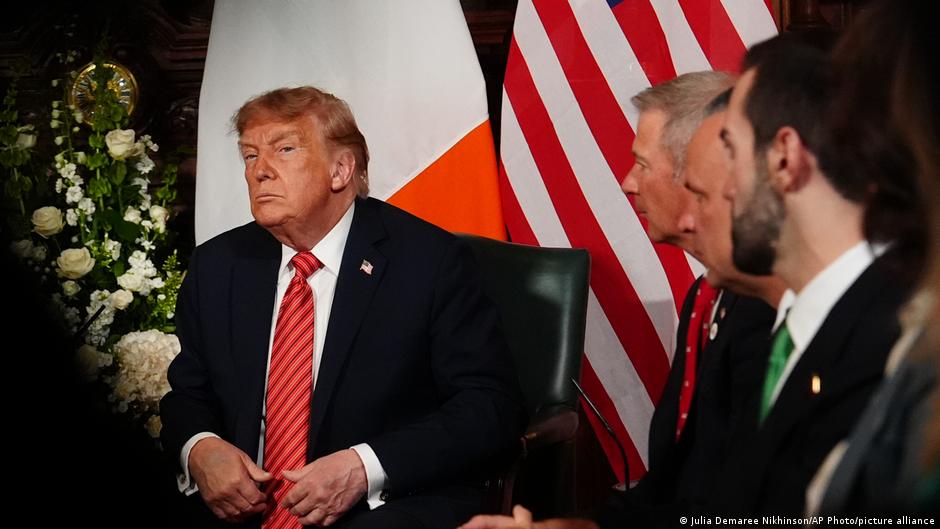
US President Donald Trump announced plans for a peace agreement with Iran, potentially to be signed by June 14, which could ease tensions and stabilize markets. However, Iranian officials have dismissed the notion of a near-term deal, signaling ongoing uncertainty. This ambiguity sustains a cautious stance among investors, who are weighing the prospects of renewed sanctions, disruptions to oil exports, and the broader impact on global supply chains.
Bond markets have responded with widening spreads on sovereign and regional credits perceived as vulnerable to geopolitical shocks. Safe-haven assets such as US Treasuries and gold have attracted flows amid this backdrop, reflecting investor appetite for risk mitigation.
In summary, Iran's missile replenishment—potentially supported by Russia—adds complexity to an already volatile geopolitical environment, influencing capital allocation strategies across equities, bonds, and commodities. Investors should remain vigilant to developments in diplomatic negotiations and military dynamics, which will continue to drive market sentiment in the near term.