US Lifts Blockade on Strait of Hormuz, Signaling Shift in Middle East Market Dynamics
The US ends naval blockade of Strait of Hormuz, reopening oil transit routes and initiating a 60-day negotiation period with Iran, impacting energy markets and investor sentiment.

The United States has officially lifted its naval blockade of the Strait of Hormuz, a critical chokepoint in global oil shipping, under orders from President Donald Trump, according to a statement from the US Central Command (CENTCOM) on June 18.
This move marks a significant de-escalation in the ongoing conflict with Iran, with CENTCOM confirming that US forces will no longer obstruct vessels entering or leaving Iranian ports. While the blockade has been removed, US naval forces will remain in the region to ensure compliance with the terms of the agreement.
Market Implications of Reopened Oil Routes
Vice President David James Vance highlighted that in the 24 hours following the blockade lift, vessels carrying a total of 12.5 million barrels of oil successfully transited the Strait of Hormuz. This volume represents the highest daily throughput since hostilities between the US, Israel, and Iran began on February 28. Notably, Iranian forces refrained from attacking any ships for two consecutive nights, signaling a reduction in tensions.
"All US military actions enforcing the blockade have ceased, but our naval presence remains to guarantee full adherence to the agreement," stated CENTCOM.
The reopening of this strategic passage is expected to ease volatility in global oil markets, which had been affected by supply concerns amid the blockade. The increased flow of crude could stabilize oil prices, positively influencing energy equities and commodity-linked bonds.
Negotiations and Economic Outlook
The lifting of the blockade coincides with the initiation of a 60-day negotiation period following the remote signing of a memorandum of understanding between Washington and Tehran. The memorandum outlines key terms, including an immediate ceasefire, the cessation of maritime restrictions, the resumption of oil shipments through the Strait, and the gradual removal of US sanctions on Iran.
Financially, the agreement includes provisions for the release of $24 billion in Iranian assets, access to a $300 billion private investment fund for Iranian reconstruction, and the withdrawal of US troops from areas surrounding Iran. Crucially, Iran has committed to suspending nuclear weapons development during this negotiation window.
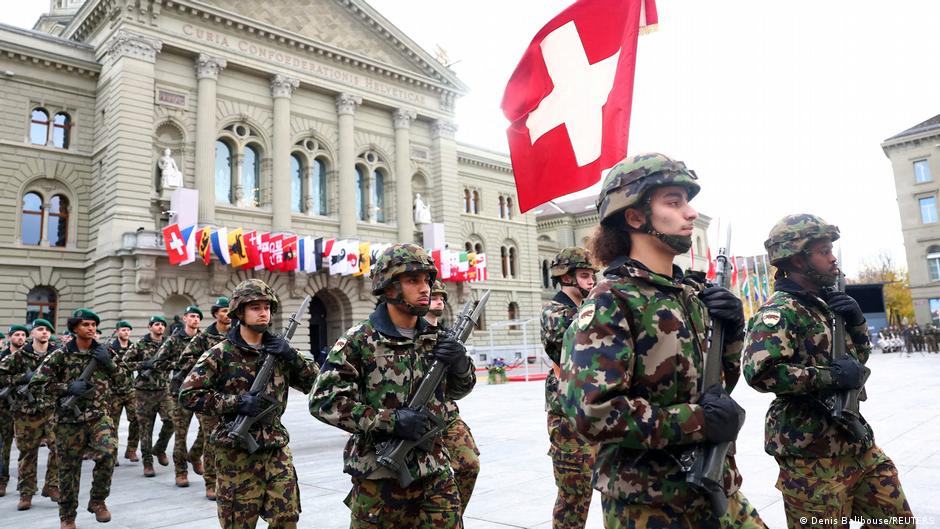
Market participants should monitor upcoming face-to-face talks, scheduled for July 19 in Switzerland, as they will likely influence future geopolitical and economic stability in the region.
For investors, the reduction in hostilities and restored oil flow through the Strait of Hormuz may reduce risk premiums on energy stocks and bonds tied to Middle Eastern markets. Additionally, the potential easing of sanctions could open investment opportunities in Iranian sectors long constrained by geopolitical risk.