US-Iran Conflict Enters Tenth Day: Implications for Global Capital Markets
Sustained US military strikes against Iran intensify uncertainty in energy markets and investor sentiment worldwide.
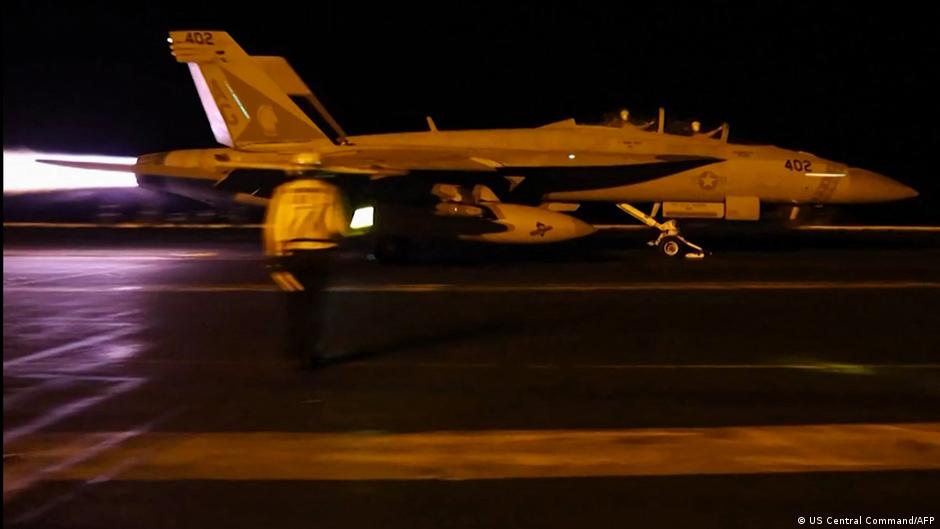
The ongoing military confrontation between the United States and Iran has entered its tenth consecutive day, with the US Central Command (CENTCOM) announcing a new wave of strikes targeting Iranian air defense systems, missile launch platforms, and drone bases. These developments have triggered heightened volatility across equity and bond markets, especially those sensitive to geopolitical and energy-related risks.
Market Reactions to Prolonged Conflict
Starting 20 July, US forces launched a series of coordinated attacks aimed at degrading Iran's military capabilities used in attacks on civilian maritime vessels in the strategically critical Strait of Hormuz. CENTCOM reported that the operations targeted command centers and air defense installations, culminating in a significant blow to Iran's capacity to project power in the region.
In response, Iran retaliated with missile and drone strikes against countries hosting US military bases, including Kuwait and Jordan, exacerbating regional tensions. This escalation follows Iran’s announcement on 18 July that it was voiding a recently established ceasefire agreement, effectively ending a 60-day truce aimed at achieving a comprehensive peace deal.
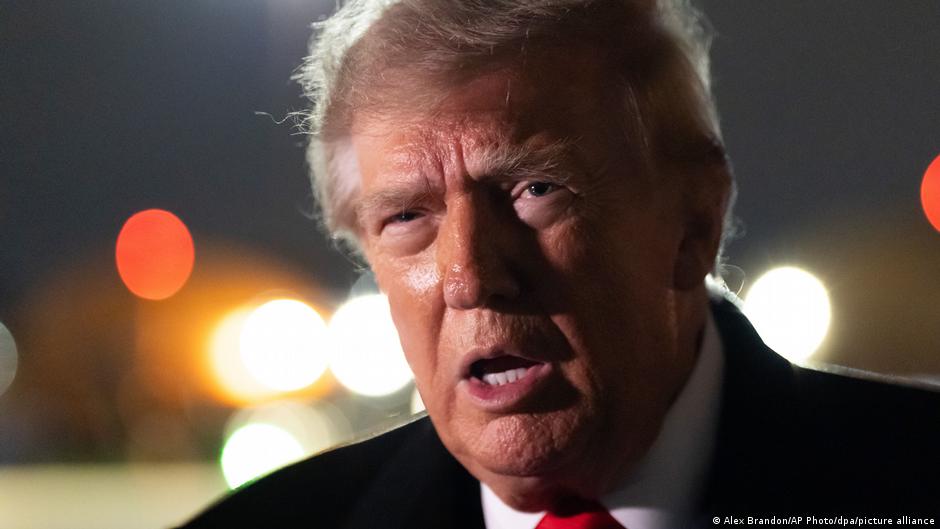
President Donald Trump issued stern warnings, promising "multiple" reprisals for any further American casualties. He reiterated this stance publicly, emphasizing that recent US strikes were carried out to honor fallen servicemen. The US has reported 17 military fatalities since the conflict's outbreak in late February.
"Every time Iran kills an American soldier, it will pay multiple times over," Trump declared, underscoring the administration's resolve to maintain a firm military posture.
These military developments have injected fresh uncertainty into capital markets, primarily impacting energy equities and bond yields. The Strait of Hormuz remains a vital chokepoint for global oil shipments, and recent Iranian interdiction attempts on oil tankers, including reported tanker explosions, have intensified concerns over supply disruptions.
Shipping traffic through the strait has reportedly halved over recent days, with only four vessels transiting on 19 July compared to eight the previous day, according to data from the London Stock Exchange. Such disruptions stoke fears of rising crude prices, which in turn influence inflation outlooks and central bank monetary policies worldwide.
Investors have responded with increased volatility in energy-focused equities and sovereign bonds of countries in the Middle East. Safe-haven assets such as US Treasury bonds saw modest gains amid risk-off sentiment, though these were tempered by inflationary pressures linked to potential energy supply constraints.
Looking ahead, market participants remain cautious as the conflict shows no signs of abating, with possible implications for global capital flows, risk premiums, and portfolio allocations. Investors are advised to monitor developments closely, particularly those related to shipping security and geopolitical negotiations impacting the region.