US Military Strikes Iran Amid Rising Tensions Impacting Capital Markets
New US attacks on Iran escalate geopolitical risks, affecting oil supply routes and investor sentiment.
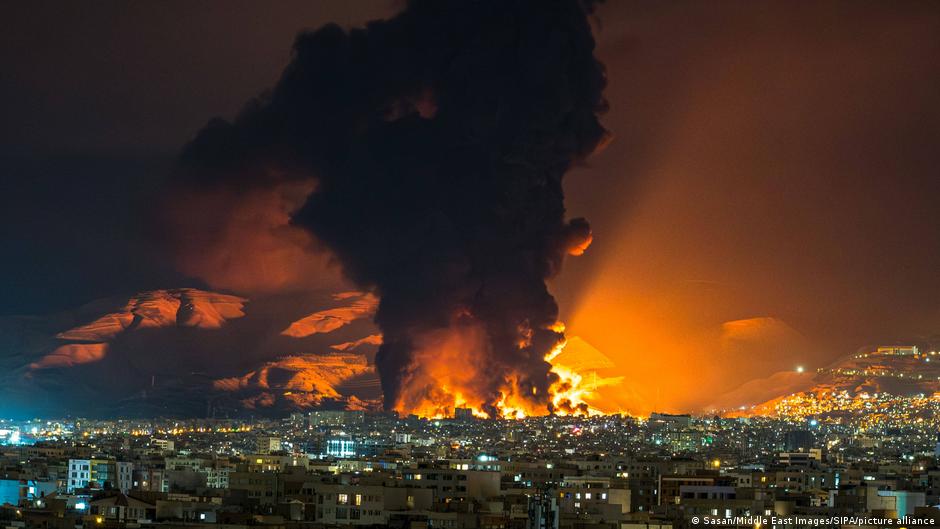
The United States military has launched a fresh wave of strikes against Iranian targets, aiming to curtail Tehran's ability to disrupt maritime traffic in the strategic Strait of Hormuz. The order for these operations was reportedly given directly by President Donald Trump, intensifying existing geopolitical tensions that are closely watched by global financial markets.
Market Implications of Renewed US-Iran Conflict
According to the US Central Command (CENTCOM), the recent offensive targeted Iranian air defense systems, communications networks, coastal radar installations, anti-ship missile defenses, and over 60 vessels belonging to the Islamic Revolutionary Guard Corps (IRGC). These strikes follow previous operations hitting more than 80 Iranian targets, justified by alleged attacks on commercial vessels transiting the Strait of Hormuz—a critical chokepoint channeling a significant portion of the world's oil supply.
"The aggression demonstrated by Iran was unjustified, dangerous, and a clear violation of the ceasefire regime," CENTCOM stated, highlighting the military rationale behind the strikes.
In parallel with military actions, Washington reinstated sanctions on Iranian oil exports, reversing a recent easing, which further pressures Iran’s economy and energy sector. These developments have immediate ramifications for capital markets, especially energy equities and commodities. Oil prices reacted with volatility as concerns over supply disruptions through the Strait of Hormuz heightened.
Investors are closely monitoring the situation amid fears that escalating military conflict could impair global oil shipments, driving crude prices higher and increasing market uncertainty. The renewed sanctions compound downside risks for Iranian oil firms but create potential upside for alternative energy suppliers and oil-exporting nations outside the conflict zone.
Iran has condemned the US strikes as violations of a memorandum aimed at ensuring free navigation through the Strait and vowed to protect its sovereignty. Tehran’s announcement of retaliatory attacks against US military installations in Kuwait and Bahrain underscores the risk of widening conflict in the Gulf region.
President Trump’s remarks at the NATO summit indicated a hardening US stance, stating that previous agreements with Iran are "over" and expressing skepticism about diplomatic engagement. However, he allowed US negotiators to continue dialogue if desired, reflecting a complex and fluid policy environment that keeps markets on edge.
Given the strategic importance of the Strait of Hormuz—through which roughly 20% of global petroleum passes—any disruption or perceived threat to navigation affects global oil supply security and financial markets alike.
Market participants should be prepared for increased volatility in energy stocks and bonds tied to the region, as well as shifts in risk sentiment impacting safe-haven assets. The lack of progress in negotiations between Washington and Tehran on broader issues such as Iran’s nuclear program and regional military presence further exacerbates uncertainties.
Additionally, Iran’s refusal to permit full mine-clearing operations in the Strait restricts shipping lanes, limiting throughput to less than half pre-conflict levels despite official US claims of full openness. This logistical constraint sustains pressure on tanker rates and energy prices, influencing related equities and credit instruments.
In summary, the recent US military strikes on Iran and the accompanying sanctions escalate geopolitical risks that have direct implications for capital markets. Investors should consider these developments in portfolio risk assessments, particularly exposure to oil and gas sectors, emerging market debt, and global equities sensitive to energy price fluctuations.