US Signals Removal of Syria from Terror Sponsor List, Impacting Capital Markets
Trump's pledge to delist Syria opens new investment avenues and alters risk assessments for investors in Middle Eastern assets.
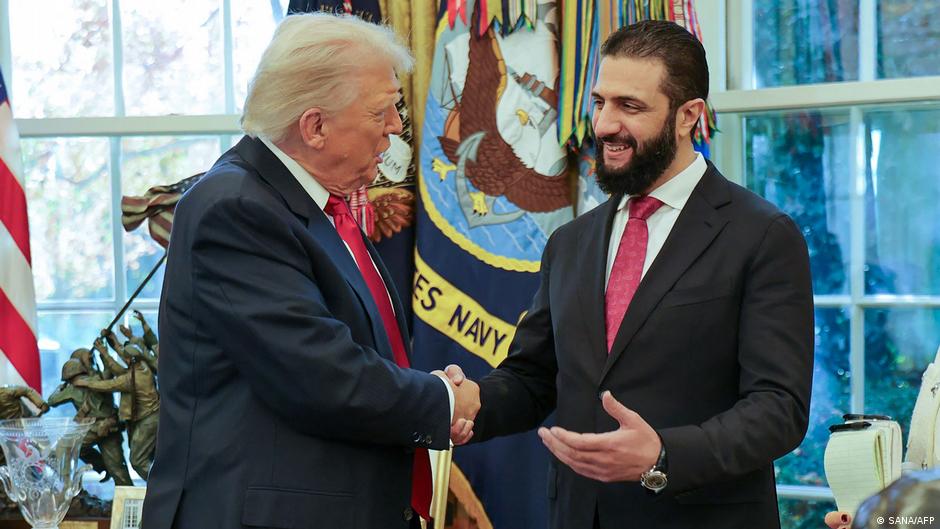
In a significant geopolitical development with far-reaching implications for global capital markets, former US President Donald Trump has pledged to remove Syria from the list of state sponsors of terrorism. The announcement, made in a letter to Syria's interim president Ahmed al-Sharaa following their meeting at the NATO summit in Ankara, signals a potential shift in US policy that could unlock new investment opportunities and reshape investor sentiment toward Syrian and broader Middle Eastern assets.
Market and Investment Implications
The designation of Syria as a state sponsor of terrorism has long imposed stringent restrictions, including prohibitions on foreign assistance from the US, bans on arms exports, and severe limitations on financial transactions. These sanctions have effectively curtailed investment and commercial activity, leaving Syria isolated from major capital flows and global markets.
"We have American companies ready to invest in Syria and help make your country greater and more prosperous than ever," Trump's letter stated, highlighting the administration's intention to facilitate economic reengagement.
Removing Syria from the terror sponsor list would ease these constraints, enabling US and allied companies to consider investing in Syrian reconstruction and development projects. This prospect has already attracted interest from several Saudi Arabian firms, signaling regional investor optimism about the country's economic recovery potential.
Investors tracking Middle Eastern equities and bonds are likely to reassess Syria's risk profile amid these developments. The lifting of sanctions could spur capital inflows, improve sovereign creditworthiness, and potentially lead to the issuance of new bonds to finance reconstruction efforts. However, risks remain substantial given ongoing geopolitical volatility and the complex legacy of conflict.
Geopolitical Context and Market Reactions
The Trump administration's move follows a historic thaw in US-Syrian relations, marked by the first high-level meeting in 25 years between US and Syrian leaders and the withdrawal of US troops from Syrian territory. The handover of military sites from the US to Syrian control underscores a strategic shift in the region that investors will monitor closely.
From a capital markets perspective, these changes could enhance Syria's integration into the global economy, attracting foreign direct investment and facilitating trade. However, market participants will weigh these prospects against the potential for renewed instability and the pace of reform in Syria's economic and political landscape.
Market sentiment in related sectors — such as energy, infrastructure, and defense — may experience volatility as news unfolds and policy details emerge. Bond markets, in particular, will focus on sovereign credit ratings and the potential for Syria to access international capital markets.
Meanwhile, US Central Command confirmed ongoing support for partner-led counterterrorism efforts, indicating that security cooperation will continue, which may alleviate some investor concerns regarding regional stability.
Conclusion for Investors
For investors with exposure to Middle Eastern markets, the removal of Syria from the terrorism sponsor list presents a nuanced opportunity. While it signals a potential end to decades of sanctions and opens the door to lucrative reconstruction projects, investors must remain cautious, factoring in geopolitical risks and the uncertain trajectory of Syria’s reintegration into global financial systems.
Capital markets will likely respond dynamically as the US government formalizes policy changes and as Syria's economic environment evolves. Active monitoring of diplomatic developments, sovereign credit assessments, and regional political stability will be essential for informed investment decisions moving forward.