German and U.S. Foreign Ministers Meet in Washington Amid Market Uncertainty
The meeting underscores the importance of transatlantic partnership amid global economic instability and signals potential shifts in NATO financial commitments.
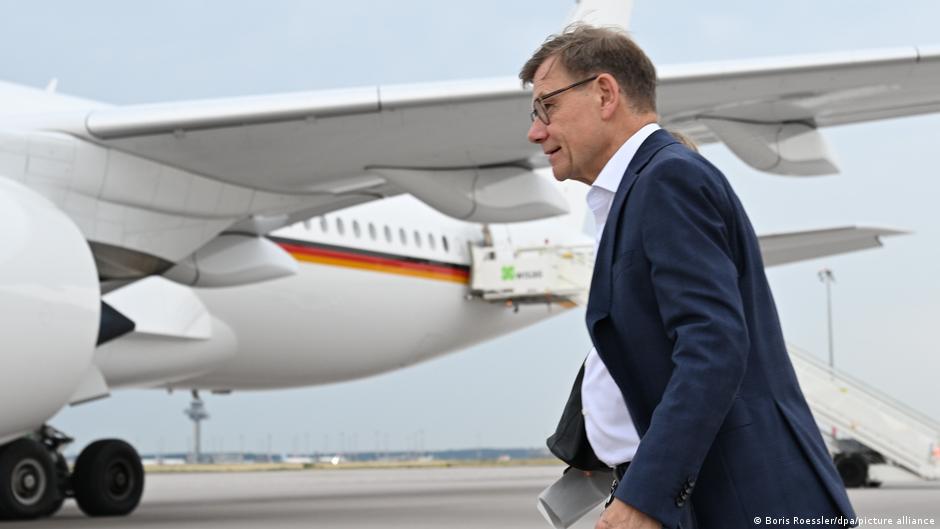
On June 29, German Foreign Minister Johann Wadephul met with U.S. Secretary of State Marco Rubio in Washington to discuss pressing geopolitical and economic issues that are impacting global markets.
Market Implications of Renewed Transatlantic Dialogue
Wadephul emphasized the indispensability of the German-American partnership during a period marked by numerous crises threatening global economic stability. "Numerous crises undermine the stability of the global economy and threaten to drive a wedge even between close partners," he stated. "But we are resolutely countering this. Our partnership with the U.S. is indispensable—especially during times of profound change." This assertion highlights the strategic coordination between the two largest economies which is critical for investor confidence amid market volatility.
Financial markets have been sensitive to geopolitical tensions, especially regarding NATO’s evolving role and the distribution of military and financial contributions among member countries. Ahead of the NATO summit scheduled for July 7-8 in Ankara, Wadephul intends to discuss with Rubio the reallocation of the U.S. and allied countries’ military spending and the long-term financial support for Ukraine. Such discussions could influence bond yields and equities in defense sectors, given their direct exposure to defense budgets and geopolitical risk premiums.
"Our partnership with the U.S. is indispensable—especially during times of profound change," said German Foreign Minister Johann Wadephul.
Moreover, the meeting coincides with the announcement that U.S. and Iranian representatives, who had previously accused each other of violating the ceasefire agreement, will resume negotiations on June 30 in Doha. Stability in the Middle East often serves as a key variable in global risk assessments, impacting energy markets and safe-haven assets like government bonds.
Following his Washington visit, Wadephul plans to attend the Mercosur summit in Asunción, Paraguay, on June 30, before visiting Argentina and Brazil. These engagements suggest Germany’s intent to strengthen economic ties with South American markets, which could open new avenues for investors seeking exposure outside traditional markets.
For capital markets, the reaffirmed commitment between Germany and the U.S. signals a coordinated approach to managing geopolitical risks and economic uncertainties. Investors may find reassurance in enhanced transatlantic cooperation, which could mitigate fears of fragmentation among key global players.
However, the discussions on reallocating NATO financial burdens and ongoing diplomatic negotiations will require close monitoring, as they have potential ramifications for defense equities, sovereign bond spreads, and currency valuations.