Market Unsettled as Iran Mourns Ayatollah Ali Khamenei Amid Regional Tensions
Ayatollah Ali Khamenei’s funeral in Mashhad marks a somber moment with significant implications for Middle East stability and investor sentiment.
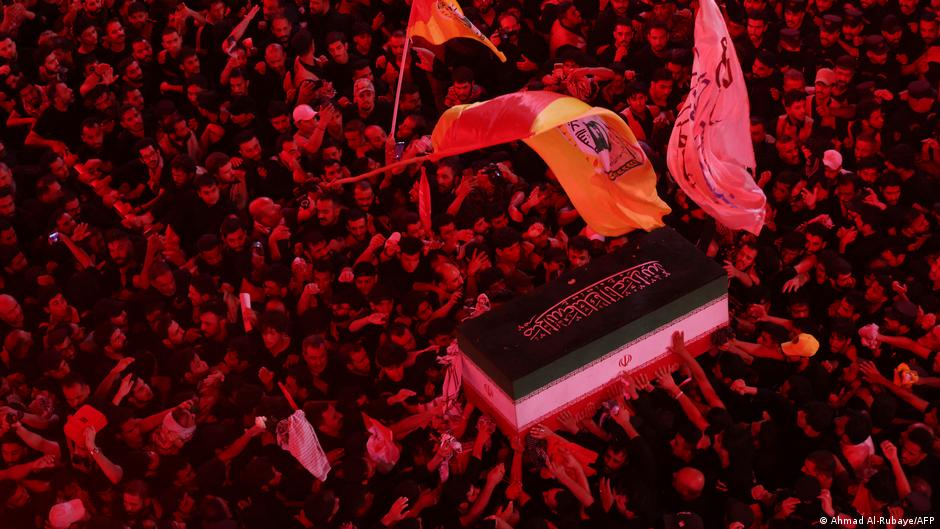
After six days of mourning, Iran held the funeral of former Supreme Leader Ayatollah Ali Khamenei in a private ceremony in the city of Mashhad. The event, which took place on the night of July 10, concluded a series of regional and religious commemorations that have drawn significant attention from global markets.
Khamenei was reportedly killed in late February during a U.S. and Israeli strike on his residence, an event that has intensified geopolitical instability in the Middle East. His burial at the Imam Reza Mausoleum, one of the largest Shiite shrines worldwide, underscores the symbolic and political weight of his legacy. The mausoleum also contains the graves of Khamenei’s family members who died in the same air strike, highlighting the personal and national tragedy behind the political developments.
Market Implications of Leadership Transition and Regional Conflict
The burial, occurring more than four months after confirmation of Khamenei’s death, coincided with a fragile ceasefire between Iran and its adversaries. The prolonged mourning period and the extensive public participation — with Iranian authorities claiming up to 20 million attendees during the Tehran ceremony alone — reflect the regime’s portrayal of Khamenei as a martyr in the face of overwhelming military adversaries.
However, notable in the proceedings was the absence of Khamenei’s son Mojtaba, who has officially succeeded him as Supreme Leader but remains unseen publicly since the attack. Reports suggest Mojtaba may have been injured during the strike and that security concerns about potential Israeli attacks have kept him out of view. This uncertainty has contributed to increased volatility in regional markets as investors weigh the implications of an opaque leadership transition.
"The absence of a visible successor fuels investor anxiety over Iran’s political stability and the potential for renewed conflict in the region."
The regional situation quickly deteriorated following the funeral. Just days after U.S. President Donald Trump announced a pause in negotiations with Tehran to respect the mourning period, hostilities resumed. Iran launched attacks on tankers in the Strait of Hormuz, citing unauthorized navigation as justification. In response, the U.S. struck coastal positions of Iran’s Revolutionary Guards, which prompted retaliatory assaults on American bases in Bahrain and Kuwait.
These developments have reintroduced heightened risk premiums on Middle Eastern assets, particularly oil and sovereign bonds, as the geopolitical risk premium has risen sharply. The disruption in the Strait of Hormuz, a critical chokepoint for global energy supplies, has caused spikes in oil futures and rattled equity markets sensitive to energy price shocks.
During a NATO summit in Ankara, President Trump declared the ceasefire with Iran effectively over and expressed unwillingness to resume negotiations under current conditions. Nevertheless, U.S. officials have indicated that diplomatic efforts continue despite the exchange of military strikes, leaving markets in a state of uncertainty.
Investors should remain cautious as the stability of Iran’s political leadership and the regional security environment remain highly uncertain. The combination of unseen leadership, renewed hostilities, and symbolic funerary events signals potential for further market disruptions, particularly in energy prices, emerging market equities, and sovereign credit ratings tied to the Middle East.