Israel-Lebanon Conflict Escalation Triggers Market Uncertainty Amid US-Israel Tensions
US President Trump’s sharp criticism of Netanyahu over Lebanon strikes raises geopolitical risks affecting global capital markets.
Recent military strikes by the Israel Defense Forces in southern Beirut and the ensuing political fallout have intensified geopolitical tensions, sparking concerns among investors about stability in the Middle East and its potential impact on capital markets.
Market Implications of Rising Regional Conflict
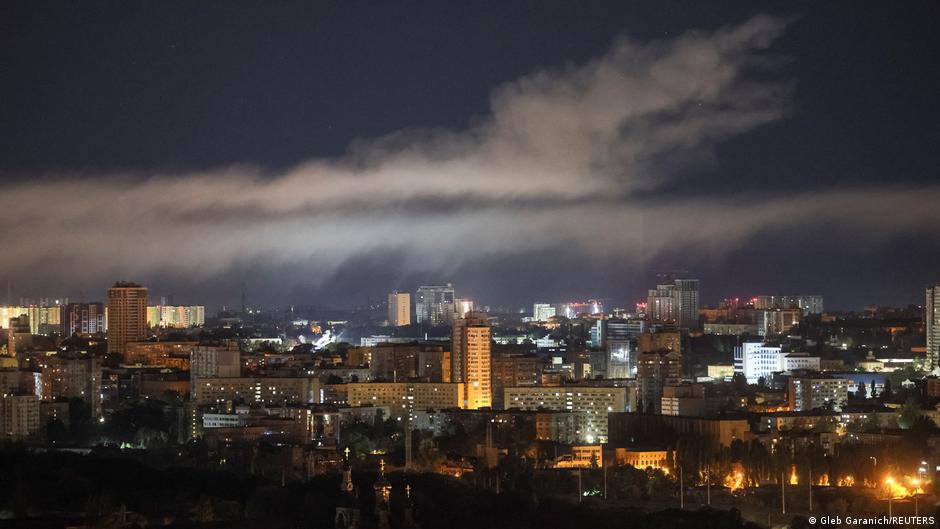
On June 1, Israeli Prime Minister Benjamin Netanyahu ordered airstrikes targeting southern suburbs of Beirut, citing threats from the Iran-backed Hezbollah militia. This escalation followed Hezbollah attacks on northern Israeli territories, leading to expanded Israeli ground operations in Lebanon. The deteriorating security situation has led to a sharp spike in regional risk premiums, with investors closely monitoring the developments.
“The conflict’s intensification and the breakdown of ceasefire efforts undermine regional stability, prompting investors to reassess risk exposures in Middle Eastern assets.”
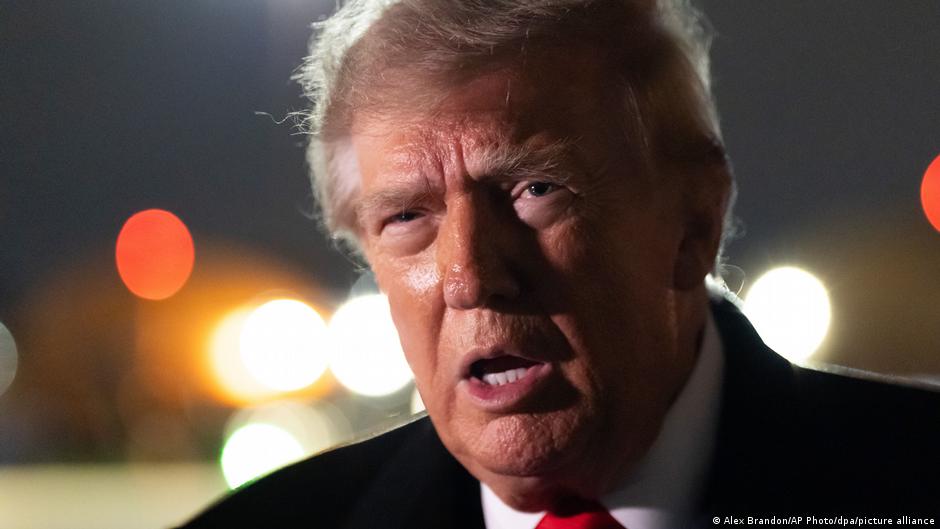
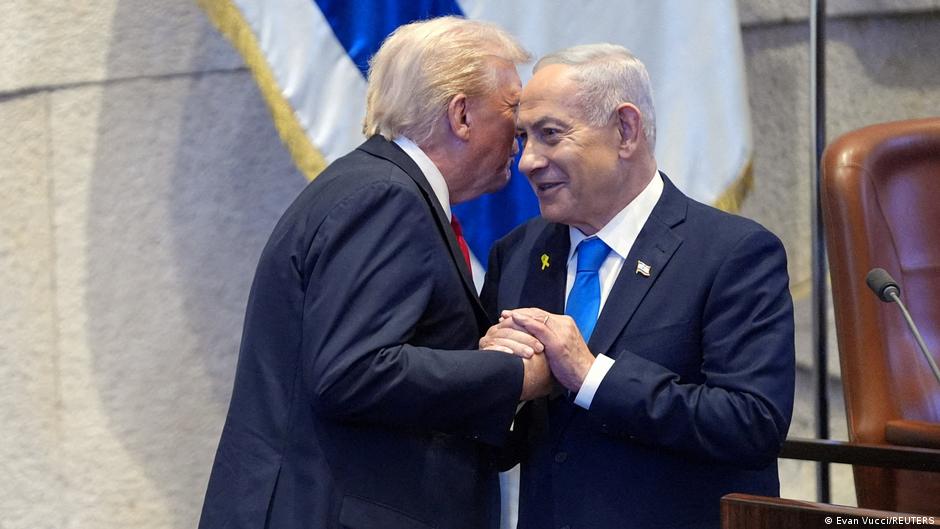
Adding to market jitters, US President Donald Trump reportedly expressed severe dissatisfaction with Netanyahu’s approach during a phone call, labeling the Israeli leader as "crazy" for undermining ceasefire efforts. Trump also highlighted that the continued strikes risk increasing Israel’s international isolation, potentially affecting diplomatic and economic relations.
The US administration’s concern over civilian casualties and destruction of residential areas in Lebanon further complicates the geopolitical outlook. These developments have led to a moderation in risk appetite, particularly in equities linked to the region, and increased demand for safer fixed income assets.
Investor Response: Equities, Bonds, and Risk Sentiment
In response to the conflict escalation, regional equity markets have shown heightened volatility, with sectors sensitive to geopolitical risks such as energy and defense experiencing notable fluctuations. Conversely, sovereign bonds of affected countries have seen widening spreads as investors price in heightened default and conflict risk.
Global investors are increasingly cautious amid reports of Iran’s IRGC-affiliated Tasnim agency announcing a suspension of indirect talks with Washington, citing ongoing hostilities in Lebanon as a key barrier. While President Trump refuted claims that negotiations had ceased, emphasizing continued rapid progress and ceasefire agreements mediated between Israel and Lebanon, uncertainty remains high.
This tension reverberates through commodity markets as well, with oil prices experiencing upward pressure on fears of potential supply disruptions in an already volatile region. Currency markets have also reflected risk-off moves, with regional currencies weakening against the US dollar.
Looking Ahead: Navigating Uncertain Terrain
For capital market participants, the evolving Middle East conflict underscores the importance of geopolitical risk management. Asset allocation strategies may require adjustment to hedge against volatility, while close monitoring of diplomatic developments remains critical.
Investors should prepare for potential spillover effects on global markets, including shifts in energy supply chains and changes in investor sentiment toward emerging markets exposed to regional instability.
As the situation unfolds, further updates on ceasefire status, diplomatic negotiations, and military actions will be key indicators shaping market movements in the near term.