US Threatens Strait of Hormuz Transit Fee Amid Rising Middle East Tensions
President Trump signals potential toll on oil shipments through Strait of Hormuz if Iran deal collapses, impacting global energy markets and investors.
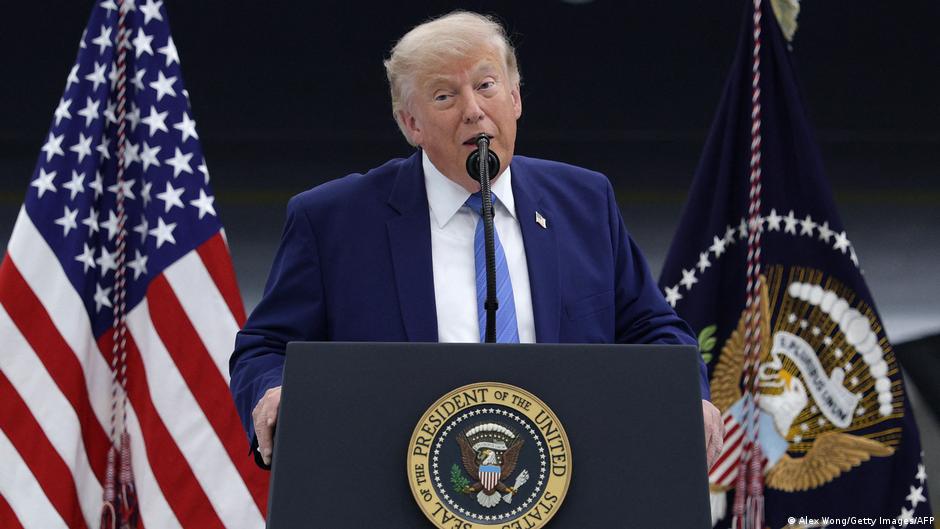
The United States has signaled the possible imposition of a transit fee for vessels passing through the Strait of Hormuz, a critical chokepoint for global oil shipments, should negotiations with Iran fail. President Donald Trump outlined this potential measure as a form of compensation for US security services provided to Middle Eastern countries.
Market Implications of Transit Fee Proposal
Trump's announcement, made via the social platform Truth Social on June 20, underscores escalating tensions in the region and introduces a new variable for energy markets and investors to consider. The Strait of Hormuz is a strategic waterway through which a significant percentage of the world’s oil supply is transported. Any changes in access or cost structures can trigger volatility in oil prices and ripple effects across equities and bond markets linked to energy sector exposure.
Under the proposed scenario, the United States would charge a transit fee as a reward for acting as the "guardian angel" to Middle Eastern nations, a phrase used by Trump to describe the US role in regional security. However, the fee would not apply during the current 60-day ceasefire period with Iran, nor as long as the agreement remains unviolated.
"During the 60-day ceasefire with Iran, no fee will be charged," Trump stated, emphasizing that charges would only commence if the agreement collapses.
The potential introduction of fees raises concerns about increased operational costs for shipping companies and importers dependent on oil from the Gulf region. This could lead to higher Brent crude prices, influencing inflationary pressures globally and prompting a reassessment of risk premiums in related bond markets.
Recent Developments in Strait Activity and Regional Security
On June 18, the US Central Command announced the lifting of a blockade on the Strait of Hormuz, with Vice President James David Vance reporting a record throughput of 12.5 million barrels of oil within 24 hours. This marked a significant recovery in shipping activity following heightened hostilities since the US and Israel initiated military actions against Iran in late February.
Moreover, Vance noted a temporary cessation of Iranian attacks on shipping for two consecutive nights, signaling a possible de-escalation. Nevertheless, on June 20, Iran declared a new ban on vessel passage through the strait in retaliation for Israeli strikes on southern Lebanon, which Tehran claims violated the ceasefire agreement signed on June 17.
The Iranian military command warned of further measures should aggression continue, highlighting the fragility of the current truce and the risks of renewed conflict.
In just under three days of the US-Iran preliminary agreement, approximately 60 to 80 vessels managed transit through the strait daily, compared to about 100 vessels per day during peacetime. Investors will be closely watching whether this volume stabilizes or declines amid escalating hostilities.
Investor Considerations
For equity markets, energy companies with upstream exposure in the Gulf region could face increased input costs and logistical challenges, potentially impacting profitability and share valuations. Bond investors might see heightened risk premiums on issuances by Gulf states or firms reliant on stable oil flows.
Overall, the prospect of a US-imposed transit fee combined with unpredictable Iranian responses introduces new uncertainty into global energy supply chains, which could exacerbate market volatility and affect investment strategies in the short to medium term.