US Military Intercepts Iranian Ballistic Missiles Amid Middle East Tensions Impacting Markets
Recent missile attacks and countermeasures in the Middle East heighten geopolitical risks affecting equities and bond markets.
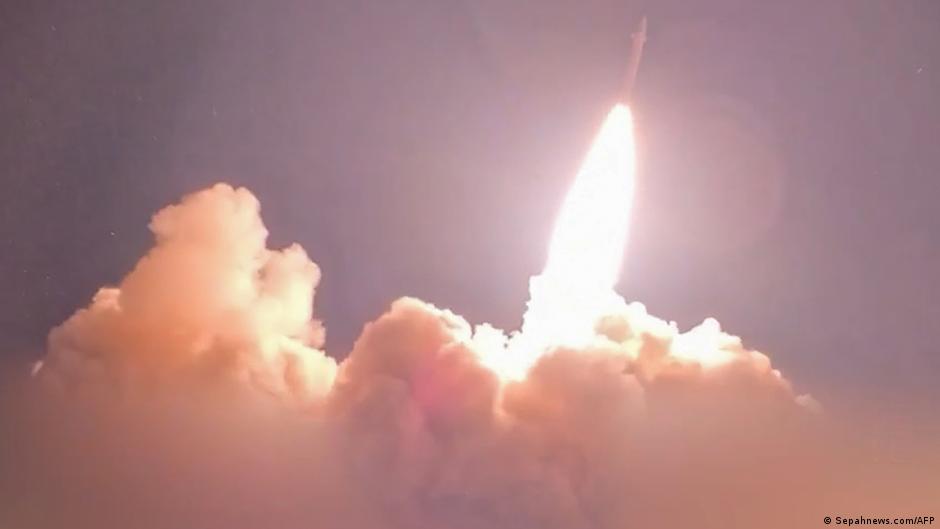
On July 29, US forces successfully intercepted multiple ballistic missiles launched from Iranian territory targeting American military personnel stationed in the Middle East. This event marks a fresh escalation in regional tensions after a brief period of mutual restraint in military actions.
Implications for Capital Markets Amid Rising Geopolitical Risk
The missile launches by Iran’s Islamic Revolutionary Guard Corps (IRGC) and the US military’s prompt interception have increased uncertainty in global capital markets. Investors are closely monitoring these developments due to the potential spillover effects on regional stability, energy supplies, and broader economic conditions.
According to reports from the US Central Command (CENTCOM), the missile attack was characterized as a "surprise attempt" directed against US forces deployed in the region. While all incoming missiles were successfully neutralized, the heightened military alertness underscores an elevated risk environment.
Earlier in July, the US conducted a series of nighttime strikes on Iranian military targets aiming to diminish Tehran’s capacity to threaten commercial shipping lanes in the Strait of Hormuz — a crucial global oil transit chokepoint. Iranian forces have retaliated intermittently, including attacks on neighboring countries and US military bases.
"The US forces in the region remain vigilant and in a high state of combat readiness," CENTCOM stated on social media platform X.
Market participants have been sensitive to these developments, as the Middle East remains a critical source of global energy. The threat of conflict escalation introduces volatility in oil prices, which in turn influences equity and bond markets worldwide, especially for energy-dependent sectors and countries.
From July 12 to July 24, the US military strikes reflected a strategic effort to curtail Iran’s influence and safeguard maritime routes. The subsequent temporary ceasefire in direct attacks followed a US presidential decision to postpone further large-scale strikes, motivated by concerns over depleting interceptors for missile defense systems like Patriot batteries, and the risk of triggering a broader energy and economic crisis.
Investors have since been assessing the potential impact on defense stocks, energy companies, and sovereign debt of countries linked to the conflict. The increased risk premium in bond markets is evident as safe-haven demand rises, while equities in certain sectors experience greater volatility.
As the situation evolves, market participants should remain alert to further developments, particularly any escalation that could disrupt oil supplies or provoke military engagements involving key regional players.