US Military Strikes Iran for 11th Consecutive Night Amid Rising Middle East Tensions
Sustained US attacks on Iranian targets escalate regional conflict, impacting global energy markets and investor sentiment.
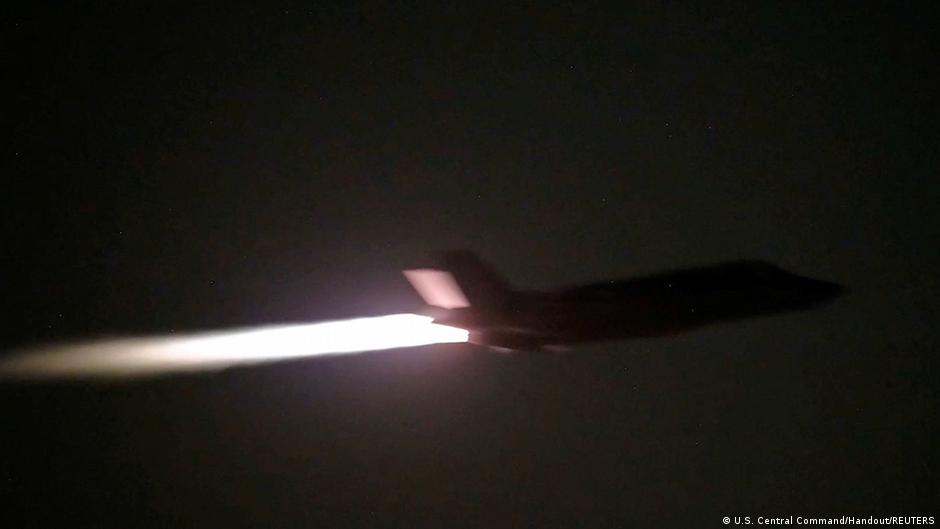
The United States Central Command (CENTCOM) announced a fresh wave of airstrikes against multiple targets in Iran, marking the 11th consecutive night of military operations. The strikes, which lasted approximately 75 minutes, resumed on Tuesday, July 21, at 7:00 p.m. Eastern Time (1:00 a.m. CEST on July 22).
CENTCOM reported successful completion of the latest round of attacks, focusing on Iranian military operational centers, naval forces, aviation hangars, unmanned aerial vehicle (UAV) storage facilities, and military logistics infrastructure. The stated objective is to further degrade Iran's ability to threaten commercial shipping in the strategically vital Strait of Hormuz.
Market and Investor Implications Amid Conflict
These developments come amidst heightened regional volatility, with Iran having attacked more than 30 commercial vessels traversing the Strait of Hormuz over the past three months. Despite these tensions, CENTCOM maintains that the strait remains open, facilitating passage for roughly 900 commercial ships and the shipment of 450 million barrels of crude oil since early May.
However, data from the London Stock Exchange indicates a significant decline in vessel traffic through the strait, with only four ships passing on July 19 and eight on July 18, suggesting growing caution among maritime operators. This reduction in traffic is a critical concern for global energy markets, as the Strait of Hormuz accounts for a substantial share of worldwide oil shipments.
Oil prices have been sensitive to these geopolitical risks, with investors closely monitoring the conflict's impact on supply chains and shipping routes. Prolonged instability threatens to exacerbate supply disruptions, potentially driving volatility in energy equities and bond markets tied to the sector.
"The ongoing military actions and Iranian retaliatory strikes introduce significant uncertainty for investors with exposure to energy and shipping sectors, underscoring the fragility of supply chains in this critical region."
On July 21, Iran launched missile and drone attacks against Camp Arifjan in Kuwait, a key base hosting US forces, while Kuwait's air defense systems reportedly intercepted several incoming projectiles. Concurrently, the Iranian Revolutionary Guard Corps (IRGC) declared a "sixth wave" of its Nasr 2 operation, claiming strikes on US military installations in Kuwait and Bahrain, though independent verification remains unavailable.
This escalation follows Iran's previous missile and drone barrages in the Persian Gulf region on July 20, responding to earlier US strikes. Notably, Tehran annulled a ceasefire agreement with Washington on July 18, which had been intended to lead to a final peace accord within 60 days.
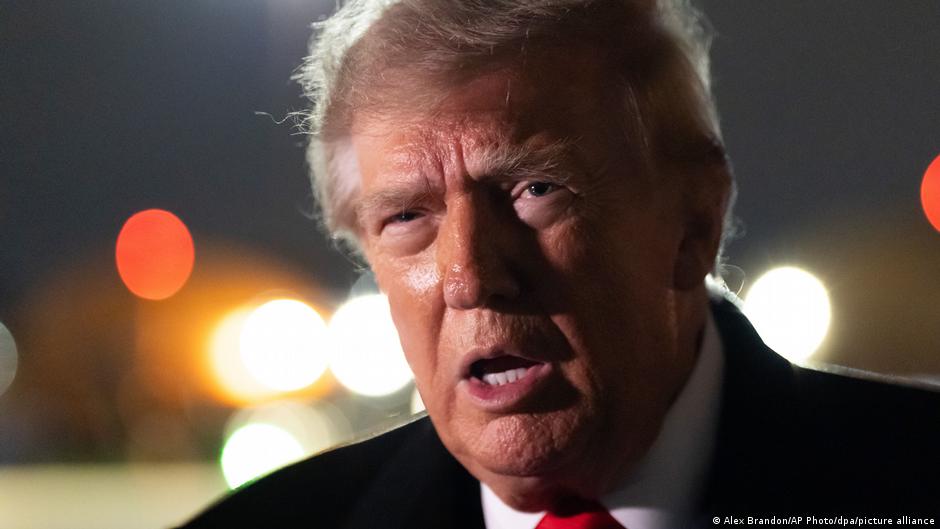
US President Donald Trump issued a stern warning to Iran on the night of July 21, threatening "multiple" retaliations for any further American military casualties, emphasizing a policy of strict retribution.
Since the latest escalation, CENTCOM confirmed the deaths of three US service members, bringing total American military fatalities since the conflict's onset in late February to 17.
Equities and Bonds Outlook
Investors face increased risks amid this protracted conflict, particularly in sectors tied to oil production, shipping, and defense. Energy stocks may experience heightened volatility due to supply uncertainty, while bond markets could reflect increased risk premiums on sovereign and corporate debt in the region. Additionally, defense contractors and related equities might see mixed movements depending on government spending and contract awards linked to the conflict.
Market participants are advised to monitor developments closely as sustained military engagements could trigger broader disruptions, potentially influencing global capital markets and investment strategies.