US Strikes Iranian Military Sites Following Attacks on Commercial Tankers
US military targets Iranian infrastructure in response to drone attacks on oil tankers near Strait of Hormuz, raising regional tensions and market uncertainties.
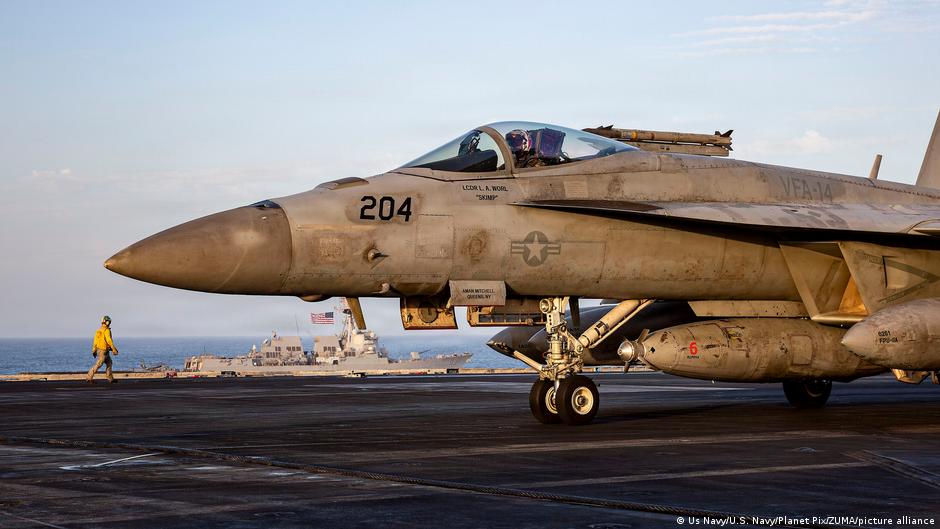
On June 27, US military forces launched airstrikes against Iranian military infrastructure, including surveillance facilities, communication systems, air defense sites, drone storage locations, and mining equipment. The strikes came as a direct response to recent aggressive actions by Iran targeting commercial shipping vessels in the strategically critical Strait of Hormuz.
The US Central Command (CENTCOM) reported that the attacks were a reaction to Iran's deployment of a kamikaze drone that struck the Panama-flagged oil tanker Kiku, which was transporting over two million barrels of crude oil. This incident followed an earlier assault on the tanker Ever Lovely, marking a breach of the ceasefire agreement signed on June 17 between Washington and Tehran that aimed to de-escalate hostilities and ensure safe passage for maritime traffic.
Market Implications of Escalating Middle East Tensions
The renewed hostilities highlight the fragility of peace efforts in the Persian Gulf and have immediate implications for global capital markets. The Strait of Hormuz is a vital chokepoint through which approximately 20% of the world's oil supply passes. Heightened risks of disruption in this corridor typically trigger volatility across equities, bonds, and commodities markets.
“The US strikes underscore the ongoing geopolitical risks that continue to cloud energy markets and investor confidence,” said a market analyst reviewing the latest developments.
Following the US airstrikes, investors are closely monitoring crude oil prices, which are sensitive to supply uncertainties. Any sustained escalation could drive oil prices higher, benefiting energy sector equities but potentially straining broader economic growth expectations. Conversely, increased geopolitical risk often leads to risk-off sentiment, prompting a flight to safety in government bonds and gold.
Equity markets with significant exposure to global trade routes and energy commodities may experience heightened volatility. Additionally, regional markets in the Middle East, including Kuwait and Bahrain, where missile and drone attacks were reported, may see increased investor caution. The shooting down of commercial vessels and military responses exacerbate concerns about the stability of the region’s infrastructure and economic environment.
The US President reiterated a firm stance in response to Iran’s provocations, warning of potential military escalation. This rhetoric adds to the uncertainty faced by investors and calls for careful risk assessment by market participants.
Overall, the situation remains fluid, and investors are advised to watch developments closely as the balance between conflict escalation and diplomatic efforts will significantly influence market dynamics in the near term.