Russian Attacks Disrupt Ukraine's Unilateral Ceasefire Amid Market Uncertainty
Russian military strikes persist despite Ukraine's ceasefire proposal, fueling investor concerns in equity and bond markets.
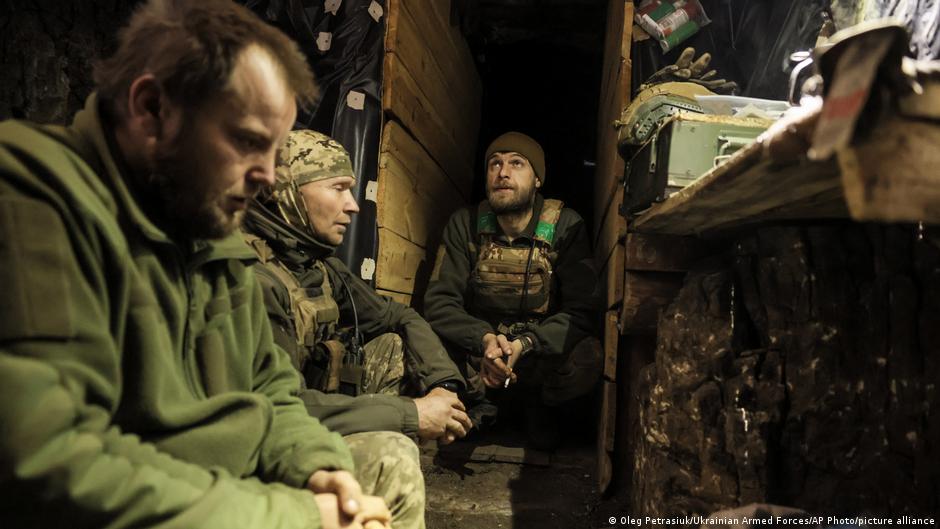
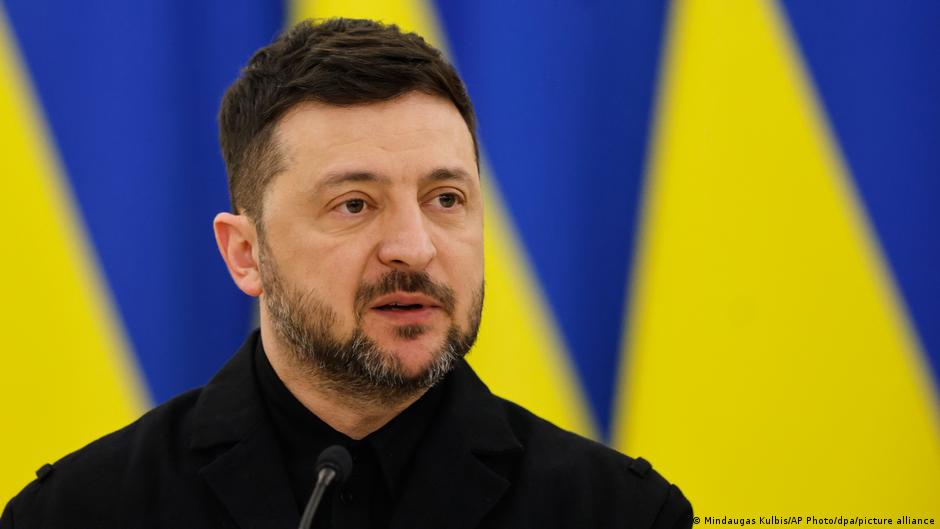
On the night of May 6, Ukraine initiated a unilateral ceasefire, proposed by President Volodymyr Zelensky as an alternative to Russia's limited holiday truce announced for May 8-9. Despite this initiative, Russian forces continued their attacks on multiple Ukrainian regions, intensifying geopolitical tensions and igniting volatility in capital markets.
Impact on Equities and Bonds Amid Renewed Hostilities
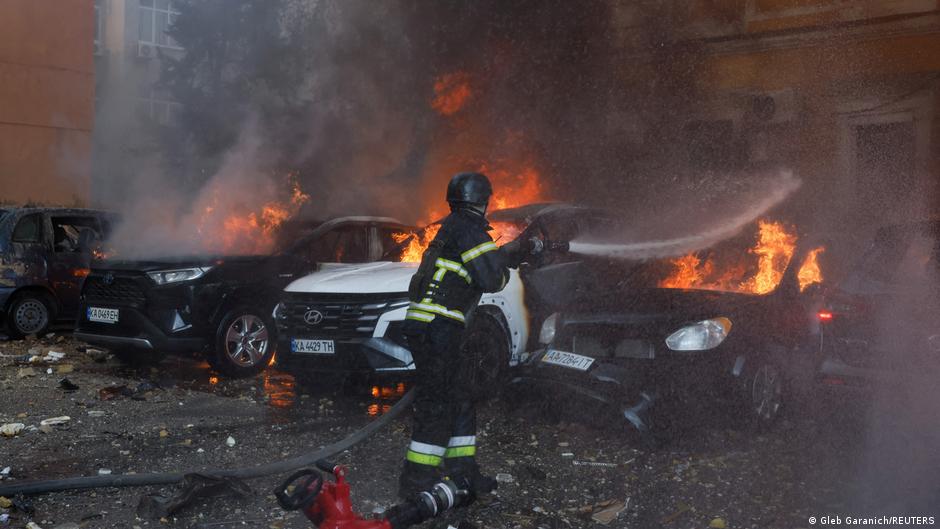
The renewed Russian assaults, including missile strikes and drone activity in key industrial and populated areas such as Zaporizhzhia, Kharkiv, Sumy, Donetsk, and Dnipropetrovsk, have unsettled investors. Ukrainian officials reported attacks on a major industrial facility in Zaporizhzhia with cruise missiles, while drone incursions were verified in several regions overnight. These disruptions underscore the fragile security environment affecting Ukraine’s economic prospects.
Financial markets have responded cautiously to the escalation. Ukrainian equity indices experienced immediate downward pressure as investors reassess the risks associated with ongoing conflict. Similarly, Ukrainian sovereign bonds saw widening spreads, reflecting heightened default risk concerns amid continued hostilities. International investors are closely monitoring these developments for potential contagion effects in regional markets.
"Human life is an incomparable value, far beyond any celebration," President Zelensky emphasized, signaling Ukraine’s commitment to ceasefire contingent on reciprocal Russian action.
Earlier, Russia declared a unilateral truce for Victory Day on May 8-9, with warnings of retaliatory missile strikes on Kyiv should Ukraine disrupt the holiday observances. Ukraine’s advance ceasefire proposal, effective from midnight May 6, aimed to de-escalate tensions but has so far failed to halt Russian military actions.
The persistence of attacks, including those resulting in civilian casualties in cities like Dnipro, Zaporizhzhia, and Kramatorsk, where over 20 deaths were reported in recent strikes, continues to cast a shadow on peace prospects and economic recovery. The situation is further complicated by counterclaims of Ukrainian drone strikes in annexed Crimea, which Russia alleges caused civilian deaths in the city of Dzhankoi, heightening the risk of wider conflict escalation.
From a capital markets perspective, the ongoing conflict introduces substantial uncertainty around Ukraine’s fiscal stability, foreign investment inflows, and the viability of reconstruction efforts post-conflict. Investors are recalibrating risk premiums across Ukrainian assets, and regional markets remain vulnerable to further geopolitical shocks.
Going forward, the trajectory of hostilities and any progress toward sustained ceasefire agreements will be critical factors influencing investor sentiment. Market participants will be closely watching diplomatic developments, military activity, and official communications from both Kyiv and Moscow to gauge the potential for normalization or further deterioration in the security and economic landscape.