US Senate to Meet Ukrainian President Zelensky Amid Sanctions Vote and Market Uncertainty
All 100 US Senators invited to discuss sanctions against Russia as Zelensky visits Washington, potentially impacting capital markets.
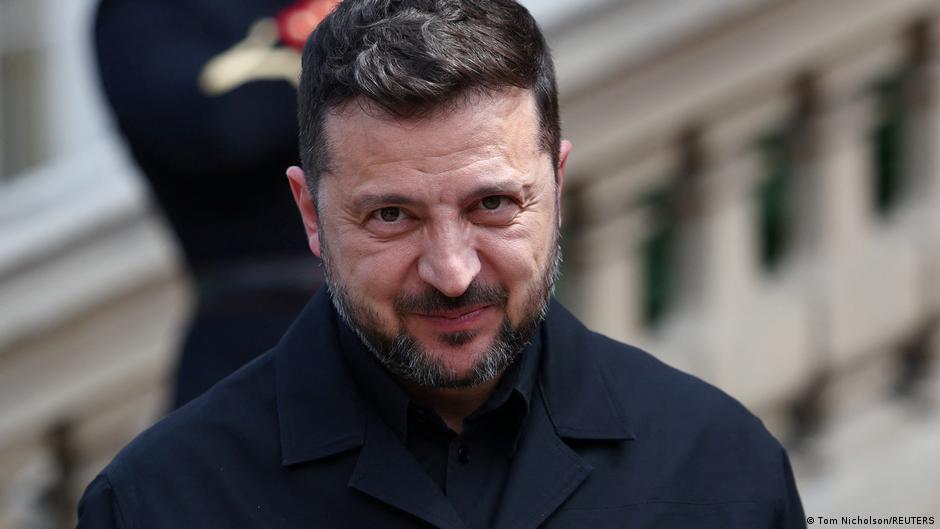
Ukrainian President Volodymyr Zelensky is scheduled to visit Washington, D.C., coinciding with the funeral of Republican Senator Lindsey Graham. In a significant move, all 100 members of the US Senate have been invited to meet with Zelensky, marking a rare moment of engagement during a time of geopolitical tension that has captured the attention of global capital markets.
Senate Sanctions Vote and Market Implications
During Zelensky's visit, the Senate is expected to begin voting on a new sanctions bill aimed at increasing restrictions against Russia. The legislation, crafted with input from the late Senator Lindsey Graham, who recently met with Zelensky in Kyiv, reflects ongoing efforts to pressure Moscow amid the war in Ukraine. The sanctions proposal also includes expanded restrictions targeting Iran and the Lebanese militant group Hezbollah, as supported by President Donald Trump.
Financial markets have been closely monitoring these developments, with investors weighing the potential economic impact of further sanctions. Equities and bond markets, particularly in sectors linked to energy and defense, are showing heightened volatility as uncertainty around the sanctions’ scope and enforcement persists. Increased sanctions could disrupt global energy supplies and trade flows, exerting additional pressure on market stability and investor confidence.
“Now is the time to end the war,” a White House representative said, emphasizing the urgency of the discussions between Zelensky and US leaders.
Simultaneously, President Trump plans to meet separately with Zelensky and Israeli Prime Minister Benjamin Netanyahu to address ongoing conflicts in Ukraine and the Middle East. The talks with Netanyahu are expected to focus on negotiations with Lebanon and expanding the Abraham Accords, which aim to normalize relations between Israel and several Muslim-majority countries. This diplomatic outreach adds another layer of complexity for markets sensitive to geopolitical risk.
Ukrainian and US officials have also reportedly discussed a potential ceasefire proposal involving airspace controls, as part of a broader package addressing possible conditions for ending the conflict in Ukraine. Such developments, if successful, could ease tensions and provide some relief to markets currently grappling with geopolitical uncertainty.
Investor Considerations Amid Heightened Geopolitical Risks
The convergence of these events—including Zelensky’s rare engagement with the full Senate, the expected sanctions vote, and ongoing diplomatic efforts—creates a multifaceted risk environment for investors. Capital markets often respond negatively to heightened sanctions and geopolitical instability, with increased volatility in equities and bond yields. Investors are advised to closely monitor legislative outcomes and diplomatic developments as they may influence asset allocations, particularly in sectors vulnerable to Eastern European and Middle Eastern conflicts.
In the short term, equities in defense and energy sectors may see increased trading volumes as market participants adjust positions based on the evolving sanctions landscape. Similarly, bond markets could experience fluctuations as heightened geopolitical risk often leads to safe-haven buying, affecting yields on US Treasuries and other sovereign debt instruments.
In sum, Zelensky’s Washington visit and the accompanying Senate actions represent a critical juncture for US foreign policy with direct implications for capital markets and investors globally.