UAE's Covert Strikes on Iran Impact Gulf Markets Amid Regional Tensions
UAE’s undisclosed military actions against Iran escalate regional risks, affecting equities, bonds, and investor sentiment in Gulf capital markets.
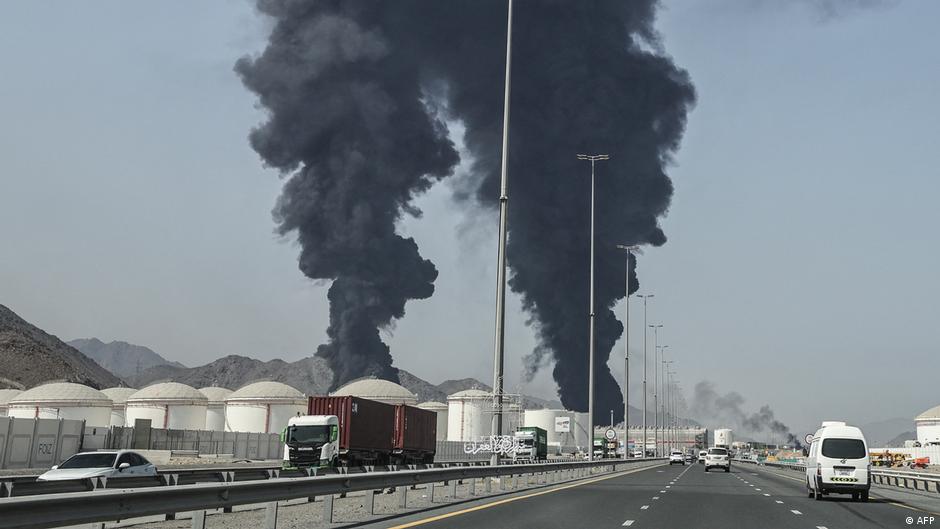
Recent reports reveal that the United Arab Emirates (UAE) has conducted covert military strikes against Iran, heightening geopolitical tensions in the Persian Gulf and impacting regional capital markets. According to informed sources, one significant strike targeted an Iranian oil refinery on the island of Lavan in early April.
Market Implications of Covert UAE Actions Against Iran
While Abu Dhabi has not officially confirmed these attacks, the strategic move underscores the UAE's active engagement in the ongoing conflict with Iran. This escalation has reverberated through the Gulf's financial markets, particularly affecting equities and bonds tied to the UAE's key economic sectors.
“These attacks have caused a fundamental shift in the UAE’s strategic outlook, now viewing Iran as a pariah state threatening its economic and social model,” regional officials note.
The confrontation began after Iran launched over 2,800 drone and missile attacks against the UAE since the conflict's start—more than any other country, including Israel. These assaults have severely disrupted the UAE’s aviation, tourism, and real estate sectors. Consequent layoffs and unpaid leaves have unsettled the labor market, diminishing investor confidence.
On April 2024, the oil refinery strike on Lavan Island coincided with President Donald Trump's announcement of a ceasefire between the US-Israel coalition and Iran, which was yet to take effect. The US reportedly tacitly approved the UAE’s involvement without public objection, viewing Gulf participation in combat operations as beneficial to their regional strategy.
For investors, these developments introduce heightened geopolitical risk premiums, driving increased volatility in Gulf Cooperation Council (GCC) equity markets and influencing bond yields. The oil sector, pivotal for the UAE economy, faces operational uncertainties, adding to pressure on energy stocks and related infrastructure bonds.
The UAE’s robust air force capabilities, including French Mirage and advanced American F-16 fighter jets, position it as a formidable military actor, which could imply prolonged conflict risks and extended market uncertainty.
Investor sentiment towards UAE assets may remain cautious as market participants weigh the implications of sustained hostilities on economic growth and regional stability. This environment demands close monitoring of sovereign debt spreads and equity performance in the UAE and broader Gulf markets.
In sum, the covert military actions by the UAE against Iran have intensified the geopolitical landscape, influencing capital market dynamics and challenging investors to navigate increased volatility and risk in the Persian Gulf region.