US Strikes on Iran Near Strait of Hormuz Heighten Market Uncertainty for Energy and Security Sectors
New US military actions targeting Iran escalate tensions around the strategic Strait of Hormuz, impacting oil transport and investor sentiment.
The United States military has launched a fresh wave of strikes against Iranian targets near the Strait of Hormuz, aiming to disrupt Tehran's ability to attack commercial shipping in this critical energy corridor. These developments come amid a cycle of retaliatory attacks and heighten risks for global markets reliant on regional stability.
Military Escalation and Regional Impact
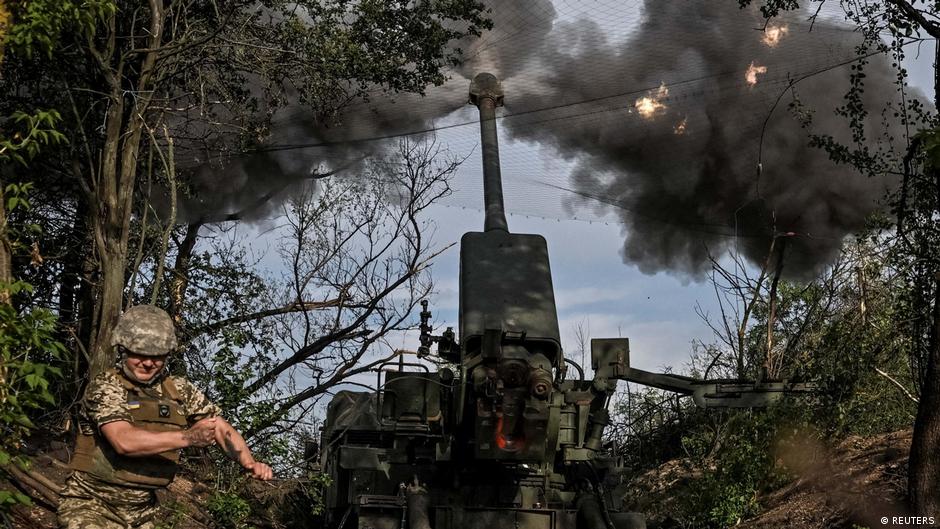
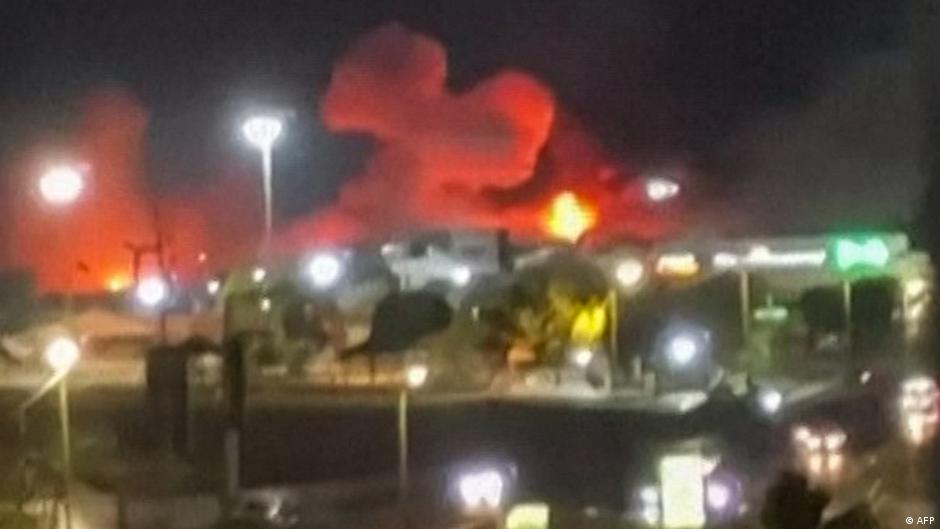
On the night of July 13, the US Central Command (CENTCOM) announced strikes on multiple Iranian military facilities, including missile depots and drone storage sites, located near key port cities such as Bandar Abbas, Sirik, and the islands of Qeshm and Jask. These operations are part of an ongoing US strategy to deter Iran from targeting civilian maritime traffic crossing the Strait of Hormuz.
"The Supreme Commander ordered these strikes to contain the Iranian regime," CENTCOM stated on social media platform X, emphasizing continued US commitment to safeguarding international shipping lanes.
Iranian media reported casualties from the strikes, including one fatality and two injuries on Qeshm Island. Meanwhile, the Islamic Revolutionary Guard Corps (IRGC) declared the Strait of Hormuz closed until further notice, a claim refuted by US military officials who affirm that navigation remains uninterrupted. President Donald Trump also publicly dismissed Iran's assertions on July 12, reinforcing the US stance that the strait remains open to global traffic.
Implications for Global Oil Markets and Investors
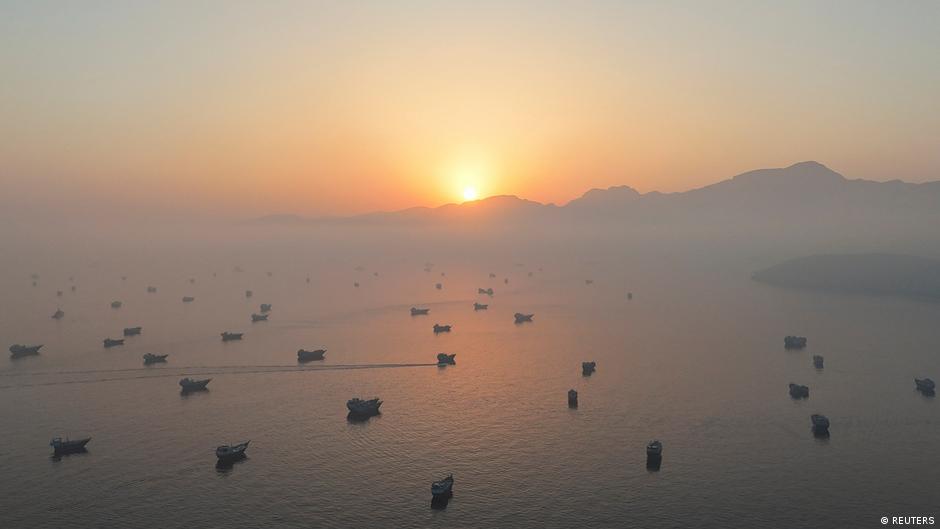
The Strait of Hormuz is a maritime chokepoint through which approximately 20 percent of the world’s oil trade passes. The renewed military tension and Iran’s threats to close the strait elevate concerns over potential supply disruptions, which in turn ripple through energy markets and influence investor behavior.
Since late June, Iranian forces have engaged in repeated attacks on commercial vessels, prompting US retaliatory strikes. The volatility has already driven spikes in crude oil prices, reflecting fears of constrained supply routes. Investors in energy equities and commodity-linked assets are now facing increased risk premia, with bond markets for regional and energy-related companies potentially feeling pressure due to heightened geopolitical uncertainties.
Furthermore, Iran's retaliatory strikes against US military installations in Gulf states such as Qatar, Oman, and Jordan escalate the security risks throughout the region. This complex environment may prompt portfolio rebalancing away from riskier regional assets and increase demand for safe-haven investments.
Diplomatic Stalemate and Future Outlook
Despite a tentative ceasefire framework signed on June 17 aimed at halting hostilities in the strategic waterway, violations by both sides have sustained military confrontations. President Trump’s remarks at the NATO summit in Ankara on July 8—declaring the memorandum void and labeling Iranian leaders as hostile—signal a hardened US position. Although negotiations continue behind closed doors, recent talks have ended without breakthroughs.
Investors and market watchers must monitor further developments in US-Iran relations, as sustained conflict could lead to prolonged disruptions in global oil supply chains and increased volatility across capital markets.