Steinmeier Urges Europe to Confront Ruthlessness of Russia and US Amid Market Uncertainty
German President Steinmeier calls for a European model response to geopolitical shifts impacting investor confidence and economic growth prospects.
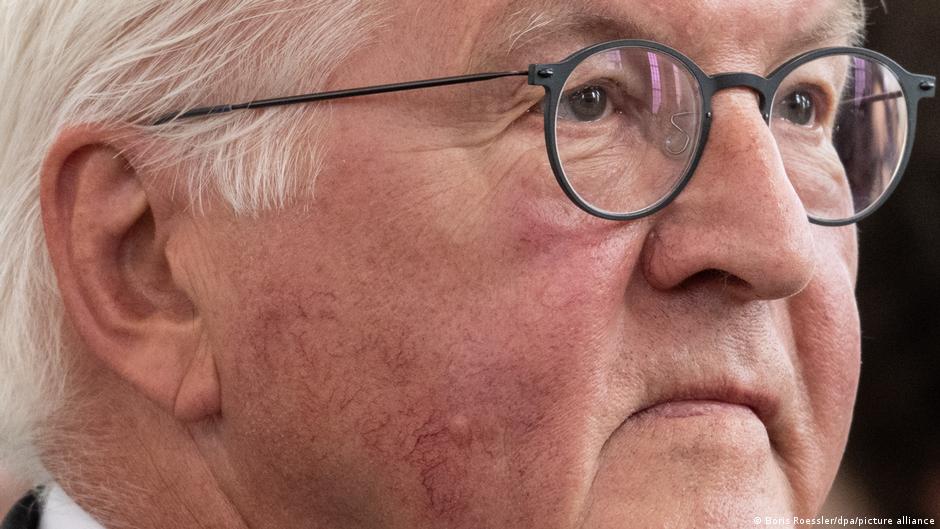
German President Frank-Walter Steinmeier, in a recent interview with ZDF, emphasized the need for Europe to present a united and principled response to the evolving geopolitical landscape marked by what he terms a "new spirit of ruthlessness" promoted by Russia and the United States. His remarks come at a time when market participants are closely monitoring geopolitical tensions and their implications for capital markets across Europe.
Geopolitical Tensions and Market Implications
Steinmeier highlighted the dual challenges Europe faces: the ongoing conflict initiated by Russia's invasion of Ukraine and a shift in U.S. values that together constitute a "double epochal rupture." According to him, while Russia and the U.S. may temporarily operate outside established international rules to their advantage, European nations must uphold an international order based on law and rules.
"We cannot do that. We need international order, we need law and rules," Steinmeier stated, underlining the importance of predictable governance for stable markets.
This call for adherence to a rules-based order resonates with investors wary of market volatility driven by geopolitical instability. European equities and sovereign bonds have recently exhibited sensitivity to these developments, reflecting concerns about economic growth and political risk.
Domestic Reforms and Investor Sentiment
Turning to internal economic policy, Steinmeier positively assessed the significant social reform package unveiled in early July by Germany's ruling coalition under Chancellor Friedrich Merz. He described these reforms as "something important," signaling potential for bolstering economic growth.
However, he cautioned that the success of these reforms in stimulating growth is critical for the government to regain public trust and respect. Steinmeier called for "patience and perseverance" in implementing these measures. For investors, sustainable growth is essential to underpin equity valuations and reduce risk premiums on German bonds, especially as inflation and interest rate dynamics remain complex.
Political Landscape and Electoral Risks
Steinmeier also addressed the rising popularity of the far-right Alternative for Germany (AfD) party, which leads polls ahead of September regional elections in Saxony-Anhalt. While noting that polls do not equate to election outcomes, he expressed concern about the trend, particularly as elections in Berlin and Mecklenburg-Western Pomerania are also upcoming.
He urged centrist parties to prevent extremists from gaining absolute majorities, emphasizing the critical nature of these elections for the future of Germany's democratic system.
From a capital markets perspective, political uncertainty linked to potential shifts in regional governance may contribute to investor caution, particularly in sectors sensitive to regulatory and policy changes. Additionally, bond markets may price in risk premia reflecting concerns over political stability.
Conclusion
Steinmeier's call for Europe to maintain a rules-based international order and his emphasis on pragmatic domestic reforms highlight key factors shaping investor outlook in Germany and Europe. Market participants should monitor geopolitical developments and political dynamics closely, as they will influence equity performance and bond yields in the near to medium term.