Ukraine-Russia Ceasefire Sees Troop Rotations Amid Ongoing Hostilities Impacting Markets
Temporary ceasefire allows both Ukraine and Russia to reposition forces, raising uncertainties for investors in regional equities and bonds.
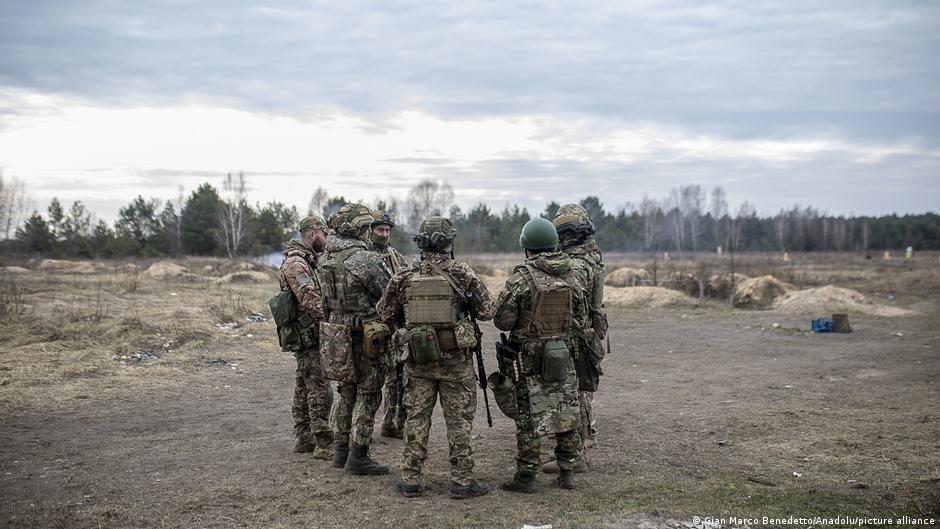
On May 9, amid a temporary ceasefire declared by the United States and accepted by Russia and Ukraine, both militaries undertook troop rotations and logistical preparations, signaling a pause rather than an end to hostilities. This development has introduced a layer of complexity for capital markets closely watching the conflict’s trajectory and its impact on regional stability and investor confidence.
Ceasefire Dynamics and Market Implications
The ceasefire, announced by U.S. President Donald Trump and scheduled from May 9 to May 11, was intended to halt fighting and facilitate a prisoner exchange. However, Ukrainian military spokesperson Victor Tregubov highlighted that while active combat quieted, both sides used the respite strategically. "They are taking a pause to rotate troops and reinforce offensive capabilities," he explained during a Ukrainian telethon.
"They are taking a pause to rotate troops and reinforce offensive capabilities," said Ukrainian military spokesperson Victor Tregubov.
Russia’s use of the ceasefire for troop rotation and supply enhancements, coupled with Ukraine’s logistical adjustments, suggests that the conflict’s intensity may resume shortly after the truce, a scenario contributing to sustained uncertainty in markets.
Russian President Vladimir Putin cast doubt on the prisoner exchange’s feasibility, citing Ukraine’s reluctance to proceed with the swap, a move that underscores the fragility of diplomatic efforts and may weigh on investor sentiment.
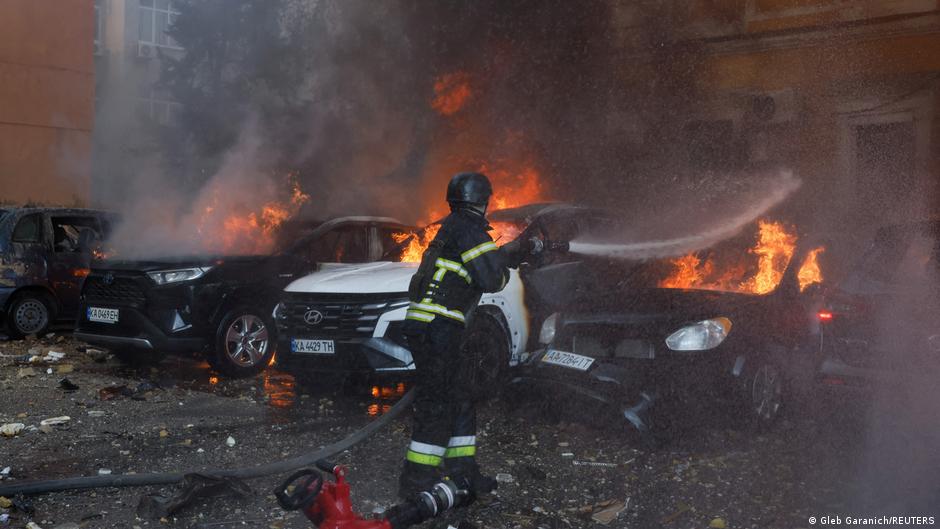
Despite the lull, shelling and attacks persisted. Russia accused Ukrainian forces of drone strikes and assaults on occupied territories, while the Ukrainian General Staff reported over 120 attacks by Russian forces within less than a day on May 9, including shelling in border areas like Sumy region. Such ongoing military activity diminishes prospects for a lasting ceasefire and continues to inject volatility into regional securities.
Investor Outlook Amid Geopolitical Tensions
The temporary ceasefire and subsequent troop rotations contribute to a highly volatile environment for equities and bonds in Ukraine and Russia. Investors face challenges in pricing in the conflict's uncertain duration and intensity, with the risk of renewed hostilities potentially disrupting supply chains, energy markets, and regional economic recovery efforts.
Market participants should monitor developments closely, as any escalation could trigger capital flight, increase risk premiums on sovereign and corporate debt, and suppress equity valuations. Conversely, a successful prisoner exchange or extended ceasefire could ease tensions and provide a boost to investor confidence.
In this context, the partial pause in fighting does not signal a definitive de-escalation but a tactical repositioning by both sides, necessitating cautious portfolio management and vigilant risk assessment by investors exposed to Eastern European assets.