Putin Names Schroeder as Preferred EU Negotiator in Ukraine Conflict, Signaling Possible Shift in Diplomatic Dynamics
Russian President Vladimir Putin endorses former German Chancellor Gerhard Schroeder as the EU’s preferred interlocutor for Ukraine peace talks.
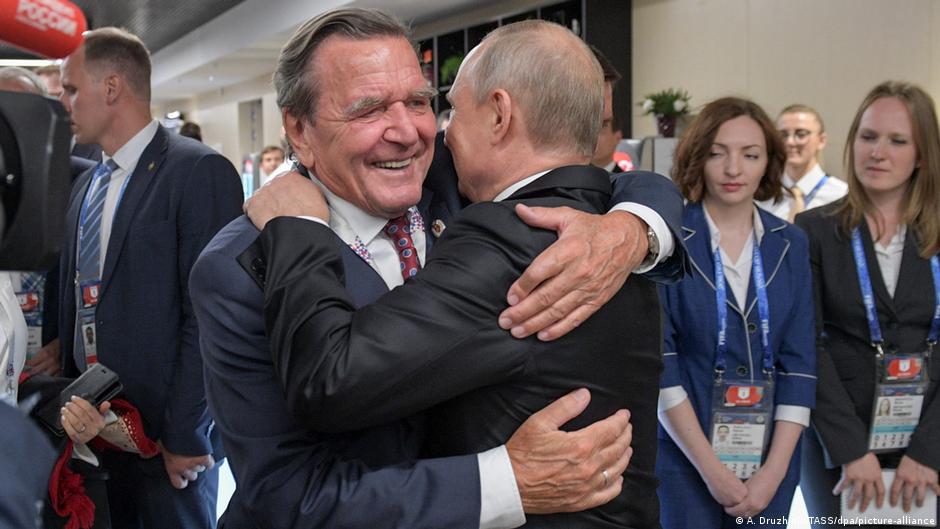
Russian President Vladimir Putin has indicated that former German Chancellor Gerhard Schroeder is his preferred candidate from the European Union to lead negotiations aimed at ending the war in Ukraine. Speaking at a May 9 press conference, Putin emphasized Russia's openness to dialogue but stipulated that any European negotiator must refrain from offensive remarks towards Moscow.
Market Implications of Putin’s Negotiation Signals
Putin’s endorsement of Schroeder, known for his close ties to Russia and his leadership roles in Russian energy firms, could influence market perceptions of the geopolitical landscape surrounding the Ukraine conflict. Schroeder’s appointment might be seen by investors as a signal of Russia’s intent to engage in talks with a negotiator sympathetic to its interests, potentially easing some geopolitical risks that have weighed on European equities and energy markets.
“For me personally, the preferred interlocutor is former German Chancellor Gerhard Schroeder,” Putin stated, highlighting Schroeder’s unique position as a trusted figure between Russia and the EU.
Despite this, Putin reiterated tough stances, including disparaging comments about European countries and threats related to Finland's NATO membership, underscoring ongoing tensions. The mixed signals reflect the complex and uncertain environment for investors navigating exposure to European and Russian markets.
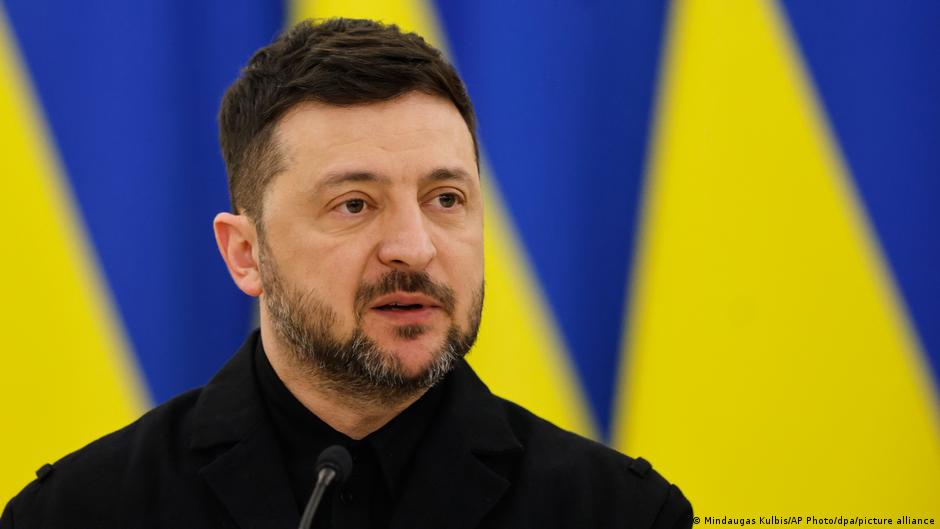
Putin also mentioned possible future talks with Ukrainian President Volodymyr Zelensky, contingent on "final agreements" that ensure long-term historical perspectives. However, official negotiations between Russia and Ukraine remain stalled, with Russia’s foreign minister confirming the absence of ongoing talks.
Market participants will likely watch closely how the nomination of Schroeder as a potential EU negotiator might affect the trajectory of the conflict, particularly in relation to energy security and sanctions regimes. Schroeder’s historic advocacy for Russian energy supplies could signal attempts to re-open dialogue on gas flows to Europe, a critical factor for European bond and equity markets sensitive to energy price volatility.
In recent years, Schroeder has publicly criticized Western demonization of Russia and called for resuming inexpensive Russian energy exports, comments that have generated controversy but also suggest potential easing of energy tensions if he assumes a negotiation role. Investors in European energy stocks and sovereign bonds should factor the geopolitical uncertainty and the possibility of shifts in energy policy into their risk assessments.
Moreover, Putin's historical pattern of fluctuating rhetoric—from insults to overtures for dialogue—means that market reactions may remain volatile. Equities in sectors closely linked to geopolitical risk, such as defense, energy, and finance, will be particularly sensitive to developments around negotiation prospects.
In summary, while Putin’s endorsement of Schroeder could be interpreted as opening a window for dialogue, the broader geopolitical and diplomatic context remains highly complex, maintaining elevated risk premiums in European capital markets. Investors should monitor evolving diplomatic signals closely, as they may presage shifts in sanctions, energy flows, and regional stability.