Poland Signs €44 Billion EU Defense Loan Agreement, Stirring Capital Market Interest
Poland becomes first EU country to access the SAFE program, raising investor attention on defense sector financing and market implications.
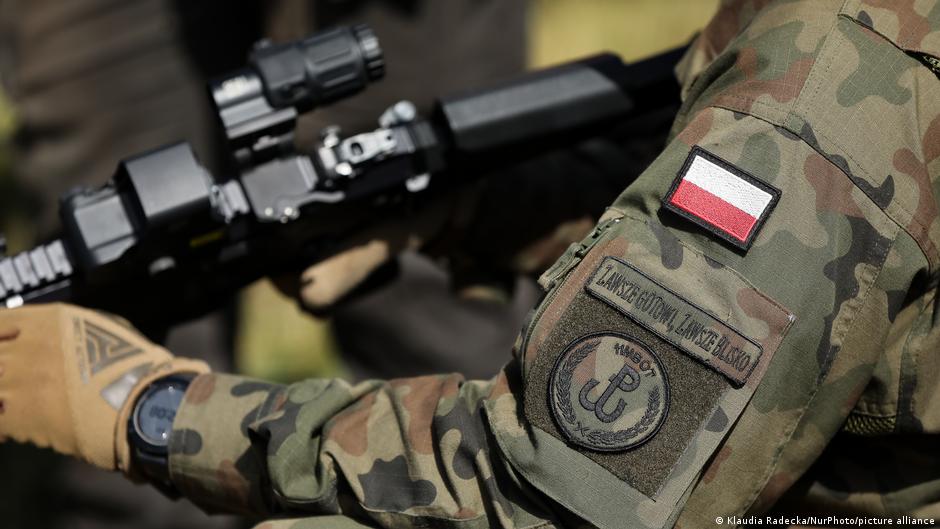
Poland has formalized an agreement with the European Union to secure a loan of nearly €44 billion aimed at modernizing its defense capabilities. This landmark deal marks Poland as the first EU country to tap into the Security Action for Europe (SAFE) program, a €150 billion EU initiative designed to upgrade military infrastructure across member states. The announcement has generated considerable interest in capital markets, particularly among investors focused on the defense sector and sovereign debt.
Market Impact and Investor Considerations
The agreement, signed by key Polish government figures including Defense Minister Władysław Kosiniak-Kamysz and Finance Minister Andrzej Domański, alongside EU commissioners, is expected to have immediate and long-term effects on both equity and bond markets. Poland will receive an initial tranche of €6.5 billion imminently, with additional disbursements scheduled biannually, contingent on progress reports submitted to the European Commission.
"No other participating country will invest such substantial sums into its defense industry," stated Prime Minister Donald Tusk, highlighting the scale and ambition of Poland's military modernization plans.
From a capital markets perspective, this loan represents a significant increase in Poland's sovereign borrowing, though repayment is deferred for the first ten years. The extended repayment schedule—potentially spanning 45 years as noted by previous critiques—has raised concerns about the long-term fiscal impact. Bloomberg previously reported that interest payments could total up to 180 billion zlotys (approximately €41 billion), underscoring the magnitude of Poland’s financial commitments.
For equity investors, the influx of capital into defense companies and their partners—projected to receive 89% of the funds—signals potential growth opportunities in Poland’s defense manufacturing sector. Contracts expected to be signed by the end of May, around 40 in total, will accelerate production capabilities aimed at deployment by 2030. The program also allocates funding to cybersecurity initiatives, broadening the scope of defense-related technology investments.
Bond investors are closely watching how this large-scale borrowing will affect Poland’s creditworthiness and yield curves. The government’s ability to meet interest obligations while leveraging borrowed funds for industrial growth will be crucial for maintaining investor confidence. Furthermore, the SAFE program’s structure—tying subsequent fund releases to project milestones—introduces performance-based fiscal oversight, which may appeal to risk-conscious investors.
Despite initial opposition from President Karol Nawrocki, who vetoed Poland’s participation citing concerns over a significant external debt burden, the government has confirmed the loan’s utilization beyond military applications. Funds will also support border security, firefighting services, and police forces, indicating a broader public safety investment strategy.
Overall, Poland’s entry into the SAFE loan program represents a complex interplay between defense modernization, sovereign debt management, and market reactions. Investors in equities tied to defense manufacturing may find new avenues for growth, while bondholders will monitor Poland’s evolving fiscal position amid this unprecedented borrowing initiative.