Uzbek Banks See Significant Deposit Growth, Octobank Leads with 416% Surge in Q1 2026
Deposit portfolios across Uzbek banks expanded by over 30% in Q1 2026, signaling rising investor confidence and liquidity in the banking sector.
The Uzbek banking sector continues its rapid growth trajectory, with total deposits rising substantially in the first quarter of 2026. Excluding Oriyent Finans Bank, all major banks witnessed increases in their deposit portfolios, reflecting strengthening confidence among both retail and corporate investors.
Robust Deposit Growth Indicates Strengthening Market Confidence
According to recent data, total bank deposits in Uzbekistan climbed by 30.88% year-on-year, from 324.1 trillion UZS in Q1 2025 to 424.2 trillion UZS in Q1 2026. This surge highlights increased liquidity in the economy and growing trust in the banking system.
The National Bank maintained its leadership position, with deposits growing from 38 trillion UZS to 53.4 trillion UZS, consolidating its role as the largest deposit holder. Kapitalbank secured the second spot with deposits totaling 44.9 trillion UZS. Notably, Agrobank advanced three positions in the rankings, increasing its deposits from 21.5 trillion UZS to 34.9 trillion UZS.
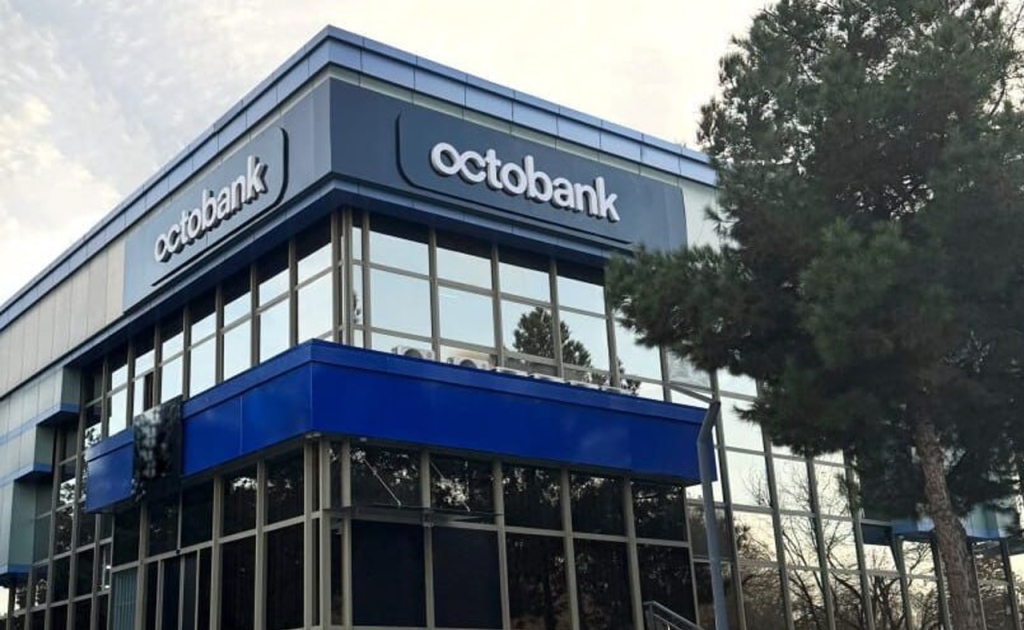
However, the standout performance came from Octobank. Its deposit portfolio ballooned by an astounding 416% compared to the same quarter last year, reaching 13.9 trillion UZS and elevating its rank from 22nd to 12th nationally. This sharp rise was largely driven by corporate deposits, which surged from 2 trillion UZS to 13.4 trillion UZS within a single year.
"Octobank's exceptional deposit growth underscores the increasing role of corporate clients in driving liquidity expansion within Uzbekistan's banking sector."
Other banks also reported notable gains. The National Bank and Agrobank saw the largest absolute increases, with deposit balances growing by 15.4 trillion UZS and 13.3 trillion UZS respectively. Uzum Bank leveraged digital ecosystem capabilities to increase deposits from 72.7 billion UZS to 1.2 trillion UZS, exemplifying the impact of digital transformation on capital mobilization.
Additional deposit growth was recorded by Avo Bank, Garant Bank, Hayot Bank, and Apex Bank, each improving their deposit bases compared to the previous year.
On the downside, Oriyent Finans Bank was the only bank to report a decline in deposits, with a 9.6% reduction amounting to nearly 1.1 trillion UZS.
Implications for Investors and Capital Markets
The significant expansion in bank deposits has multiple implications for investors and the broader capital markets in Uzbekistan. Increased liquidity within banks generally enhances credit availability, potentially spurring economic growth and improving corporate earnings prospects. For equity investors, this could translate into improved bank profitability and share price appreciation, especially for institutions like Octobank that have demonstrated robust deposit growth.
Bond investors may also benefit as stronger deposit bases reduce funding costs and credit risk for banks, potentially leading to tighter bond spreads and improved yields. Moreover, the rise in digital banking deposits, as observed with Uzum Bank, signals an ongoing modernization trend within the sector that may attract technology-focused investment themes.
However, investors should monitor banks like Oriyent Finans Bank, where deposit outflows may signal underlying operational or market confidence issues, potentially impacting stock performance or bond valuations.
Overall, the expanding deposit landscape in Uzbekistan’s banking sector reflects a positive environment for investors, with growing liquidity serving as a catalyst for enhanced financial intermediation and market stability.