US Delays EU Auto Tariff Hike to July 4, Easing Market Uncertainty for Investors
President Trump postpones planned 25% auto tariffs on European imports until July 4 amid ongoing trade negotiations.
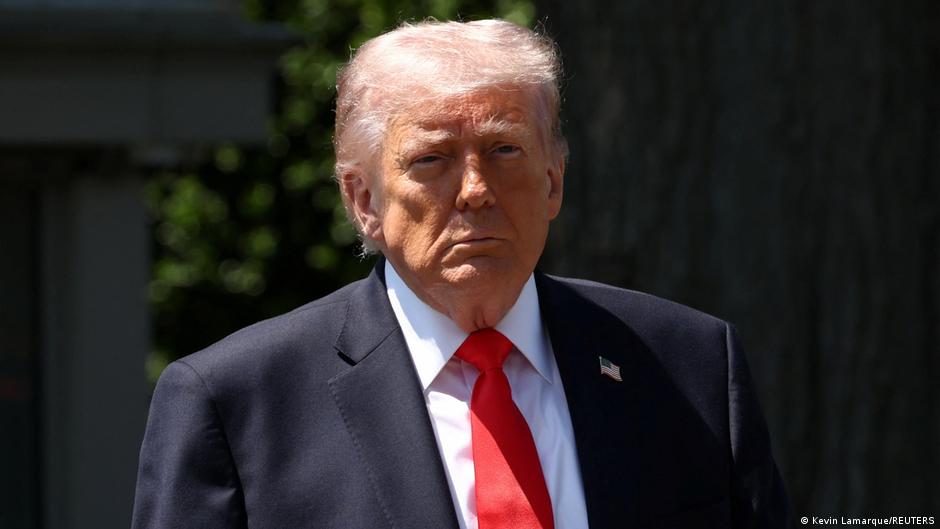
US President Donald Trump has announced a delay in the planned increase of tariffs on automobiles imported from the European Union (EU), pushing the implementation date to July 4. The announcement followed what Trump described as a "wonderful phone conversation" with European Commission President Ursula von der Leyen.
Market Impact and Trade Negotiations
Earlier this month, Trump had declared that tariffs on EU passenger and commercial vehicles would rise to 25% due to what he characterized as the EU’s failure to comply with a trade agreement struck in Turnberry, Scotland. The agreement aimed to reduce tariffs retroactively from 27.5% to 15% on European car exports, while the EU committed to removing tariffs on American industrial goods and expanding access for US products such as seafood, dairy, pork, and soybean oil.
"I have patiently waited for the EU to honor their part of this historic trade deal, but if they don’t, tariff rates will immediately jump to much higher levels," Trump stated on his social media platform.
Von der Leyen confirmed a "very good phone call" and reaffirmed that both the US and EU remain fully committed to implementing the agreement. She also noted "good progress toward tariff reductions by early July," signaling a possible easing of trade tensions.
From a capital markets perspective, the delay in tariff hikes reduces near-term uncertainty for investors exposed to automotive equities and related supply chains. The abrupt imposition of higher tariffs had threatened to increase costs for European automakers exporting to the US, potentially pressuring share prices and widening credit spreads on European issuers involved in the sector.
With the tariffs postponed, stock markets may stabilize as fears of escalating trade barriers temporarily subside. Bond investors will likely monitor developments closely, as sustained trade disputes could affect corporate earnings and credit ratings within automotive and manufacturing industries.
However, markets remain cautious given that the underlying disagreements have not been fully resolved, and Trump emphasized that tariffs would be implemented if the EU fails to deliver on its commitments by the Independence Day deadline.
The situation highlights the ongoing fragility of transatlantic trade relations and the sensitivity of capital markets to geopolitical developments. Investors with exposure to cross-border automotive supply chains and industrial goods sectors should continue to assess the evolving trade landscape and potential impacts on valuations and risk premiums.
In conclusion, while the tariff delay brings temporary relief, the prospect of renewed trade friction persists, underscoring the importance of closely monitoring policy announcements and negotiations as the July 4 deadline approaches.