Iran Introduces New Shipping Declaration for Strait of Hormuz, Raising Market Concerns
Iran mandates detailed vessel information for Strait of Hormuz passage, potentially impacting global oil transport and investor sentiment.
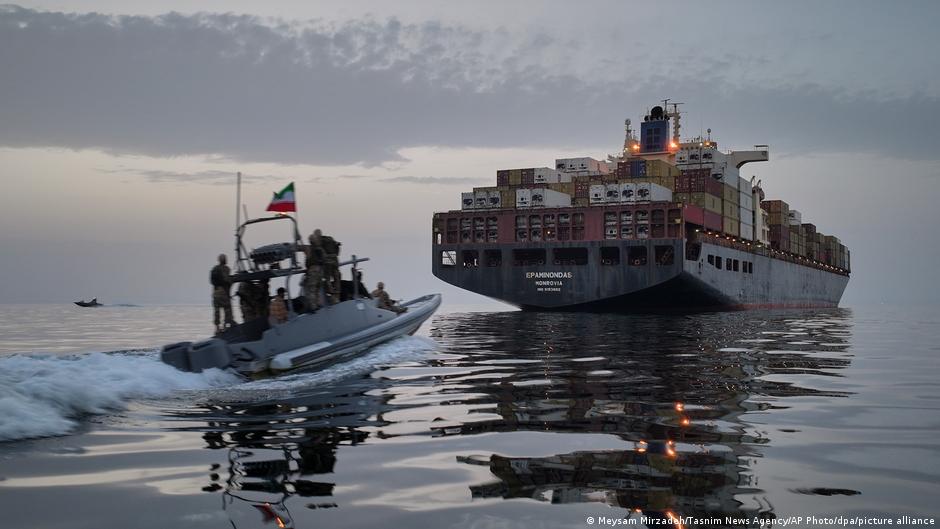
Iran has introduced a comprehensive "Vessel Information Declaration" that shipping companies must complete before their tankers can pass through the Strait of Hormuz, a key chokepoint in global oil supply. The document, developed by Iran's Persian Gulf Strait Administration (PGSA), contains over 40 detailed questions about the vessel and its ownership, cargo, and crew.
Implications for Oil Transport and Markets
The declaration requires shipping companies to submit data such as the ship’s name, identification number, previous names, origin and destination countries, as well as citizenship details of owners, operators, and crew members. There is also a requirement for explicit cargo details. This information must be emailed to the PGSA prior to transit.
"The applicant bears sole responsibility for any false or incomplete information provided, along with any resulting consequences," states the PGSA communication.
While the document does not explicitly state whether Iran will charge transit fees, previous Iranian officials have considered imposing payments as a source of revenue, potentially funding reconstruction after past U.S. and Israeli strikes. According to external reports, fees could reach up to $2 million per vessel.
However, any payments to Iran or the Islamic Revolutionary Guard Corps (IRGC) are prohibited for U.S. persons and entities under current U.S. Treasury regulations. This ban extends to U.S. financial institutions and foreign organizations owned or controlled by Americans.
Market Reactions and Investor Impact
The Strait of Hormuz remains one of the world's most critical maritime chokepoints, with roughly 20% of global petroleum passing through it daily. Increased regulatory requirements and potential fees for shipping could tighten supply chains and elevate transportation costs, raising concerns among investors focused on energy equities and commodities markets.
Moreover, geopolitical tensions in the region have escalated recently. On May 4, the U.S. launched "Operation Project Liberty," deploying military escorts for commercial vessels in the strait amid threats from Iran. President Donald Trump warned of retaliatory measures should American ships be attacked, underscoring the delicate balance between security and commercial interests.
Investors are closely monitoring these developments, as disruptions or delays in oil shipments could translate to volatility in oil futures and energy stocks. Additionally, uncertainty around potential fees and sanctions risks may deter shipping companies from routes through the strait, prompting shifts to alternative pathways and influencing global trade flows.
Notably, President Trump announced a temporary pause of the operation to explore diplomatic solutions, following requests from Pakistan and other countries, signaling possible easing of immediate tensions but maintaining investor caution.
Outlook for Capital Markets
Market participants should watch for further clarifications on the enforcement of Iran’s new declaration and any implementation of fees, as well as responses from international shipping firms and regulatory bodies. The evolving geopolitical landscape in the Persian Gulf region continues to pose risks that could affect bond yields in energy sectors and overall market sentiment toward emerging markets linked to oil exports.
In summary, Iran’s new transit declaration introduces additional operational hurdles and geopolitical uncertainties for tankers passing through the Strait of Hormuz, with significant ramifications for energy markets and investor strategies globally.