EU Leaders Prepare for Potential Talks with Russia Amid Market Uncertainty
European Union leaders discuss readiness for negotiations with Russia, impacting investor sentiment and capital markets.
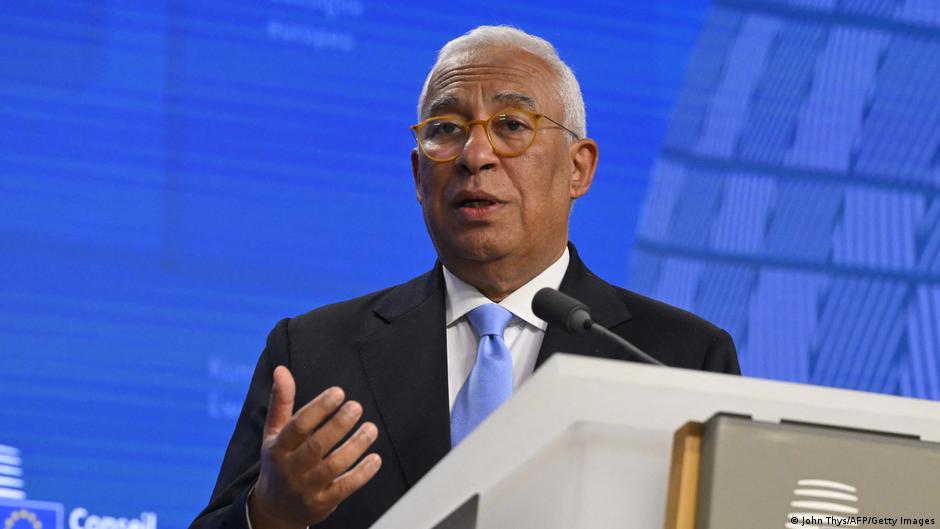
European Union leaders are preparing for possible negotiations with Russian President Vladimir Putin, a development that has caught the attention of global capital markets. The President of the European Council, António Costa, indicated ongoing consultations with the leaders of all 27 EU member states to determine the best approach and agenda for such talks.
Market Implications of Potential EU-Russia Dialogue
Costa emphasized there is potential for discussions, but so far no clear sign of readiness from Moscow for "effective" and "serious" negotiations. This uncertainty has triggered a cautious approach among investors, reflected notably in the volatility seen in European equity and bond markets.
"There is potential for negotiations with Putin, but no visible signs yet of Russia's readiness to engage constructively," Costa said, underscoring the current diplomatic impasse.
Investors are closely monitoring these diplomatic signals, as progress toward peace talks could ease geopolitical risks, which have weighed heavily on European markets amid the ongoing conflict in Ukraine. Conversely, the absence of concrete engagement from Russia continues to sustain elevated risk premiums, particularly in sovereign and corporate bond spreads across the EU.
The last substantive dialogue between Europe and Russia took place in early February 2026, when French presidential advisors visited Moscow to explore EU participation in peace negotiations. Those overtures were reportedly rebuffed by the Kremlin, signaling Moscow's conditional stance on dialogue contingent on reciprocal readiness.
Furthermore, tensions in the Middle East have complicated the diplomatic landscape. Recent conflicts involving the US, Israel, and Iran have diverted attention and resources, delaying trilateral meetings initially planned among Russia, the US, and Ukraine. This has contributed to market uncertainty, as investors weigh the broad geopolitical risks spanning Europe and the Middle East.
Despite the challenging environment, Ukrainian and Russian officials suggest progress toward a peace agreement may be approaching. Kirill Budanov, head of Ukraine’s presidential office negotiation team, noted that although both sides have maintained maximalist positions, they are moving closer to compromises. Market participants remain alert to these diplomatic developments, as any breakthrough could significantly reduce risk aversion and improve market sentiment.
In the coming days, US presidential special envoy Stephen Utkoff will meet with Ukraine's National Security and Defense Council Secretary Rustem Umerov in Miami, marking the first diplomatic engagement between the two countries since late February. These talks will be closely watched by investors for indications of a de-escalation trajectory that could stabilize regional markets.
Overall, the evolving geopolitical dialogue between the EU, Russia, and Ukraine is a critical factor shaping investor confidence. Capital markets are poised for reaction depending on the progress of negotiations, with the potential to influence equity valuations, bond yields, and currency stability across Europe and beyond.