US Troop Relocation from Germany to Poland May Impact European Capital Markets
Potential redeployment of 5,000 US troops from Germany to Poland raises questions on market sentiment and investor outlook in Europe.
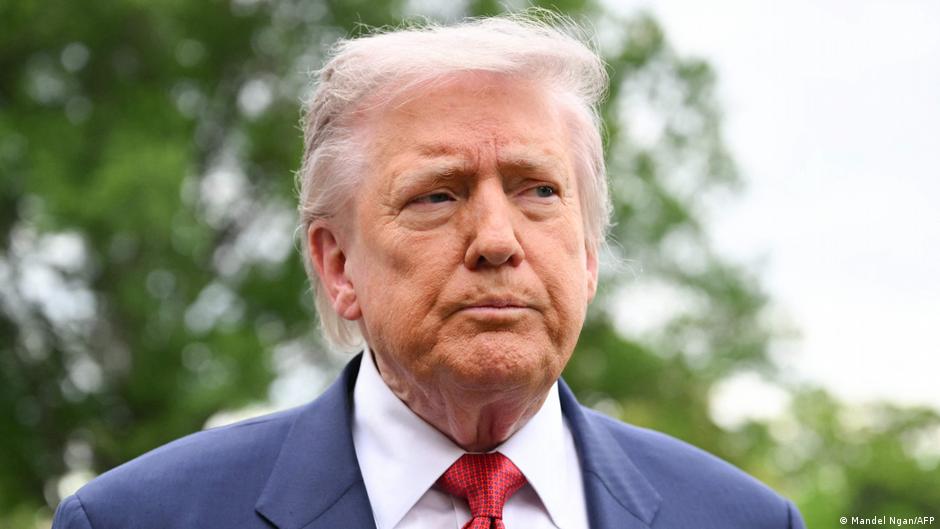
The announcement by former US President Donald Trump regarding the possible transfer of American troops from Germany to Poland has sparked considerable attention within capital markets. This potential military redeployment reflects broader geopolitical dynamics that are influencing investor sentiment, equity valuations, and bond yields in European markets.
Geopolitical Developments and Market Reactions
President Trump indicated on May 8 that relocating part of the 5,000 US troops, recently ordered by US Secretary of Defense Lloyd Austin to withdraw from Germany within a year, to Poland is a feasible scenario. Poland’s President Karol Nawrocki supported this possibility, emphasizing Warsaw's readiness to host additional US forces due to existing infrastructure. Such statements underline increasing US strategic shifts in Europe amid heightened tensions, particularly around disagreements with German Chancellor Friedrich Merz.
"Poland would like this. We have excellent relations with Poland, and I support them," Trump said, signaling a potential pivot in US military footprint in Europe.
The backdrop involves friction between Washington and Berlin, notably over divergences about US-Israeli actions against Iran and Germany’s refusal to allow deployment of Tomahawk missile-equipped troops on its soil. Germany currently hosts approximately 36,400 American soldiers out of the 68,000 US military personnel stationed across European bases as of December 2025.
Investor Implications and Capital Market Dynamics
From a capital markets perspective, the troop relocation has several ramifications. First, equities of defense contractors and logistics firms operating in Poland and neighboring countries could see increased investor interest due to anticipated government contracts and infrastructure upgrades. On the other hand, German equities may experience downward pressure, particularly in regional industries tied to US military bases, as base closures or troop reductions could dampen local economic activity.
Additionally, bond markets in Poland may react positively, with investors perceiving enhanced geopolitical importance as a signal of strengthened US-Polish ties, potentially supporting sovereign credit ratings and reducing risk premiums. Conversely, German government bonds might face volatility if uncertainty about US commitments in the region leads to broader concerns about European security frameworks.
Currency markets could also be influenced, with the Polish zloty potentially benefiting from increased foreign direct investment and military spending, while the euro could face downward pressure amid geopolitical uncertainties and intra-EU tensions.
Broader Strategic Context and Future Outlook
The potential redeployment reflects shifting US priorities within NATO and broader transatlantic relations. With Lithuania also expressing readiness to host more US troops, the regional military balance and defense spending patterns may evolve, impacting multiple sectors and investment themes.
Investors should closely monitor official announcements about the pace and scale of troop movements, as well as Germany's and Poland's broader economic responses. Military-related infrastructure investments, defense sector earnings, and sovereign bond yields in Central Europe are key indicators that may react to these geopolitical developments.
Ultimately, while the redeployment could enhance Poland's strategic position, it introduces short- to medium-term uncertainties into European capital markets, calling for cautious portfolio adjustments and risk assessments among investors.