US-Iran Tensions Escalate as US Navy Seizes Iranian Cargo Ship in Gulf of Oman
Iran accuses US of violating ceasefire after American forces capture Iranian-flagged vessel, raising market uncertainties amid geopolitical risks.
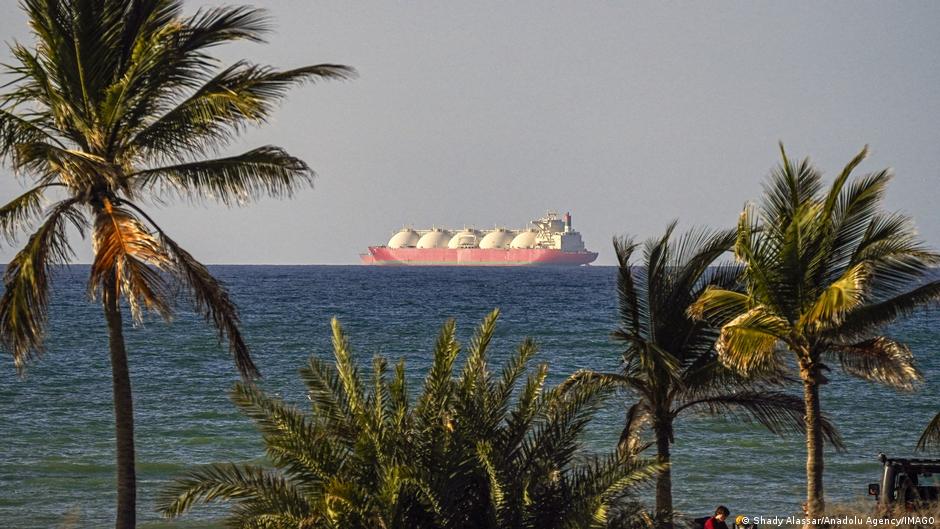
In a significant escalation of tensions between the United States and Iran, American naval forces seized an Iranian-flagged cargo ship in the Gulf of Oman, prompting sharp accusations from Tehran. The Central Headquarters of Iran’s Armed Forces condemned the operation as an "act of piracy" and a "violation of the ceasefire," intensifying geopolitical risks that have reverberated through global capital markets.
Details of the Incident and Immediate Market Impact
The incident occurred when US naval forces intercepted and captured the Iranian cargo vessel, which according to statements by the US President, was attempting to bypass a maritime blockade of Iranian ports in the Strait of Hormuz. The US Central Command for the Middle East (CENTCOM) later confirmed the seizure, underscoring the naval operation's strategic intent to enforce sanctions and restrict Iran’s maritime trade routes.
Tehran responded swiftly, with military spokespersons labeling the US action as aggressive and unlawful, citing drone strikes reportedly carried out against US naval assets. These developments have injected fresh uncertainty into an already fragile regional stability outlook.
"Aggressive America violated the ceasefire and committed an act of maritime piracy," declared a spokesperson for Iran’s Central Armed Forces Headquarters.
Capital markets reacted promptly as investors digested the implications of rising US-Iran hostilities. Oil prices, sensitive to disruptions in the strategically vital Strait of Hormuz, experienced upward pressure, reflecting concerns over potential supply constraints. Equities in energy sectors saw mixed performance, with risk-off sentiment leading to volatility in regional stocks and increased demand for safe-haven assets such as US Treasury bonds.
Investor Considerations Amid Heightened Geopolitical Risk
The seizure complicates prospects for renewed diplomatic engagement, which had recently been hinted at by US leadership. Iranian authorities, according to state media, have ruled out participation in negotiations as long as the maritime blockade persists, signaling a hardening stance that could prolong geopolitical uncertainty.
For investors, the incident underscores the importance of monitoring geopolitical developments and their potential to disrupt global trade flows and commodity markets. Increased volatility in energy prices may impact inflation trends and central bank policies, influencing bond yields and equity valuations.
Market participants should remain vigilant in assessing exposure to sectors and regions most susceptible to geopolitical shocks, particularly those linked to energy infrastructure and supply chains. Diversification and strategic hedging may become prudent measures in navigating the near-term volatility stemming from US-Iran tensions.