Baltic Airspace Closure for Slovak PM's Flight to Moscow May Impact Regional Market Sentiment
Lithuania and Latvia deny airspace access to Slovak Prime Minister’s flight en route to Moscow, reflecting ongoing geopolitical tensions ahead of May 9 celebrations.
The governments of Lithuania and Latvia have once again decided to close their airspace to the aircraft of Slovak Prime Minister Robert Fico as he plans to travel to Moscow for the May 9 Victory Day celebrations. This repeated restriction underscores persistent geopolitical frictions within the European Union and signals potential ripple effects on investor sentiment in regional markets.
Geopolitical Developments and Market Implications
On April 18, Prime Minister Fico announced via a video message that the Baltic states informed Bratislava of their refusal to allow his plane to fly over their territories on the way to Moscow. He stated,
"Lithuania and Latvia have already informed us they will not allow overflight during the trip to Moscow. So what if EU member states do not permit the prime minister of another EU country to fly over their territories? I will find another route, as I did last year."
This development follows a pattern established in 2023, when similar airspace closures were enacted against Fico’s flights and those of Serbia’s President Aleksandar Vučić. At that time, Latvia cited the "political sensitivity of the flight’s destination," while Lithuania referenced "technical and diplomatic sensitivity." Poland also denied passage to Fico’s aircraft then.
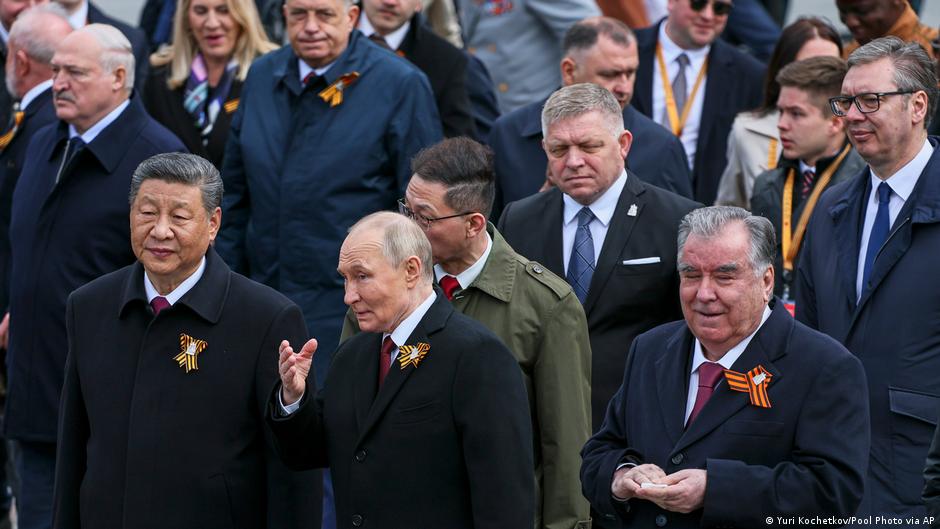
Victory Day celebrations in Moscow hold symbolic significance for Russia and participating nations, often including high-profile foreign dignitaries. In 2025, leaders from 27 countries—including China, Belarus, Cuba, Venezuela, Slovakia, and Serbia—attended the May 9 events. However, the EU cautioned candidate countries and politicians against traveling to Moscow, reflecting ongoing tensions related to Russia’s geopolitical actions.
These airspace bans highlight the strained relations within the EU and between the bloc and Russia, which investors closely monitor given their impact on regional stability and economic prospects.
Investor Reactions and Market Outlook
Capital markets in Central and Eastern Europe are sensitive to geopolitical instability, especially where EU unity appears fragmented. The travel restrictions on an EU member state’s prime minister underscore divisions that could translate into increased volatility in regional equities and sovereign bonds.
Market participants may interpret these tensions as an escalation in diplomatic frictions, potentially affecting investor confidence in Slovakia, the Baltics, and neighboring countries. Concerns over energy security, trade disruptions, and sanctions enforcement remain top priorities for investors analyzing risk in this region.
Fixed income markets could see widening spreads on Slovak and Baltic government bonds if uncertainties persist. Equity markets, particularly sectors tied to export and energy, may experience increased pressure as geopolitical risks weigh on growth expectations.
However, Prime Minister Fico's commitment to finding alternate routes suggests a tactical approach to circumventing diplomatic obstacles, which could moderate immediate market shocks. Nevertheless, the situation exemplifies the complex interplay of politics and economics that continues to shape investment decisions in European capital markets.
Investors and analysts should continue monitoring diplomatic developments ahead of the May 9 events, as shifts in EU cohesion or Russia relations could influence asset allocation and risk assessments across the region.