Russian Airstrikes Target Multiple Ukrainian Regions Amid Ongoing Conflict
Renewed drone and missile attacks on key Ukrainian cities raise concerns for regional stability and investor risk appetite.
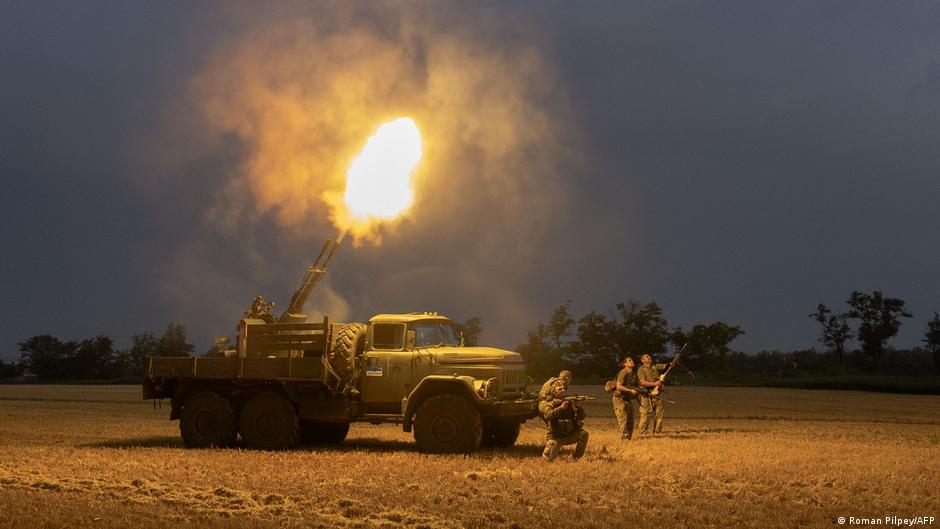
In the early hours of May 17, Russian military forces launched a series of drone and missile strikes targeting several Ukrainian regions, including Kharkiv, Zaporizhzhia, Dnipropetrovsk, and Odesa. Additional drone activity was reported over Poltava and Sumy regions, highlighting the persistent volatility affecting eastern and southern Ukraine.
Market Implications Amid Escalating Conflict
The renewed attacks have significant implications for capital markets, especially for investors with exposure to Ukrainian equities and bonds. Key urban centers such as Kharkiv and Dnipropetrovsk, which have previously been focal points of economic activity, now face increased operational disruptions and infrastructure damage.
In Kharkiv, drone strikes impacted residential districts including Saltivka, Kyivsky, Osnoviansky, and Kholodnohirskyi, damaging property but reportedly causing no casualties. Nonetheless, the destruction of infrastructure and vehicles adds to the economic strain on the region.
"The continuous hostilities and attacks on urban infrastructure exacerbate uncertainties, potentially dampening foreign investment inflows and increasing risk premiums on Ukrainian sovereign debt," said a market analyst familiar with Eastern European geopolitics.
Zaporizhzhia's local administration reported a drone strike on a gas station that resulted in a fire and injuries, followed by further strikes involving guided aerial bombs with damage assessments ongoing. Similarly, in Dnipropetrovsk, a missile hit a private residence causing injuries to an elderly woman. Air raid alerts were also issued in Odesa, Poltava, and Sumy regions.
These strikes are likely to elevate market risk sentiment toward Ukrainian assets, particularly in the sovereign bond market, where yields may rise reflecting increased credit risk. Equities linked to regional infrastructure and energy sectors may experience heightened volatility as conflict-related disruptions persist.
Investors should also monitor potential ripple effects on neighboring markets due to geopolitical spillovers. The ongoing conflict undermines prospects for economic recovery and poses continuing challenges for portfolio diversification strategies focused on emerging European markets.
Overall, the escalation underscores the fragile security environment in Ukraine, making risk assessments and contingency planning critical for capital market participants engaged in the region.