Turkey Pushes to Renew Russia-Ukraine Peace Talks Amid Investor Uncertainty
Erdogan's efforts to revive Russia-Ukraine negotiations highlight geopolitical risks impacting global markets and investor sentiment.
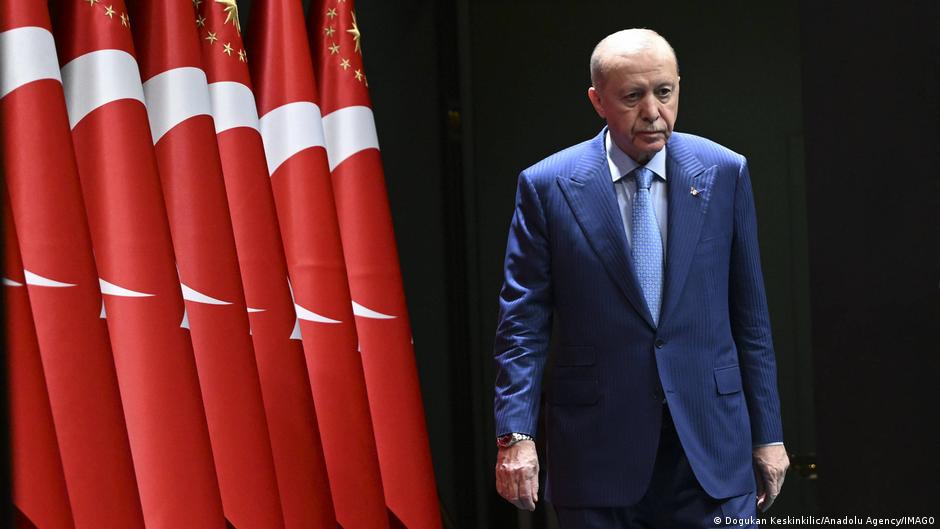
Turkish President Recep Tayyip Erdogan has announced that Turkey is actively working to restart peace negotiations between Russia and Ukraine. This move comes amid a backdrop of geopolitical tension that continues to influence global capital markets, affecting equities, bonds, and investor confidence worldwide.
Geopolitical Developments and Market Implications
During a meeting with NATO Secretary-General Jens Stoltenberg in Ankara on April 22, Erdogan emphasized Turkey's commitment to ending the war between Russia and Ukraine through diplomatic dialogue at the leadership level. Erdogan’s statements suggest a potential thaw in stalled peace talks which have been largely inactive since the intensification of other regional conflicts.
"Turkey is interested in ending the war between Ukraine and Russia and is working on resuming talks and initiating dialogue at the leaders' level," Erdogan’s office said.
Later, in a telephone conversation with German President Frank-Walter Steinmeier, Erdogan noted that ongoing conflicts, including the war between the US, Israel, and Iran, are weakening Europe’s geopolitical stability. He reiterated Turkey’s diplomatic efforts to broker a durable peace settlement in Ukraine, underscoring the broader implications for regional security and economic stability.
For investors, developments in the Russia-Ukraine conflict remain a critical risk factor. Markets have experienced volatility in equities and fixed income due to uncertainty over the conflict’s duration and potential escalation. Renewed peace talks could ease tensions, stabilizing commodity prices, particularly energy, and boosting investor confidence in European and emerging markets.
Ukraine’s Diplomatic Appeal and Market Reactions
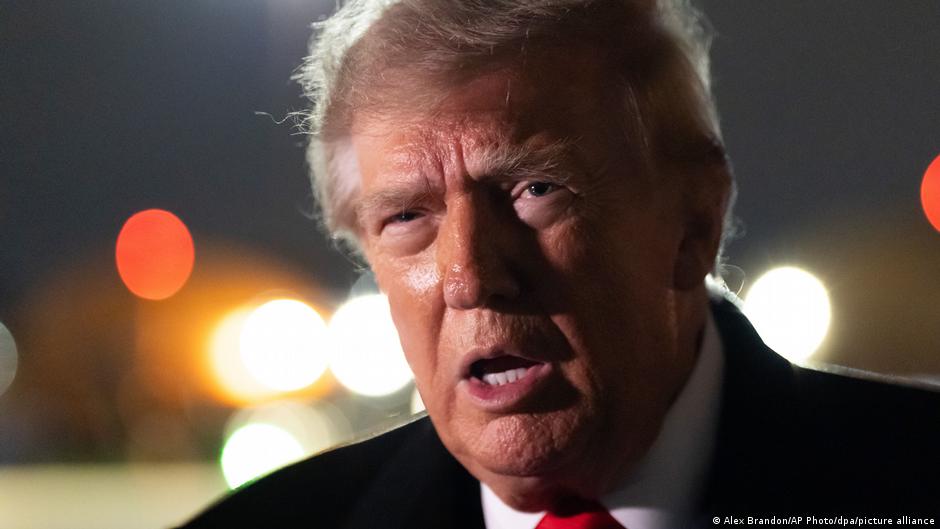
Ukrainian Foreign Minister Andriy Sybiha recently disclosed that Kyiv has requested Turkey’s assistance in organizing a meeting between Ukrainian President Volodymyr Zelensky and Russian President Vladimir Putin. This initiative was discussed at the Antalya Diplomatic Forum from April 17-19, where Sybiha also suggested that if feasible, Turkish President Erdogan and former U.S. President Donald Trump could participate to facilitate dialogue.
"We want to end this war. We have effective proposals and hope Turkey can accelerate the peace process," Sybiha stated, highlighting the growing diplomatic momentum.
However, Kremlin spokesperson Dmitry Peskov cautioned that any meeting between Putin and Zelensky would be possible only to finalize agreements, signaling cautious optimism but also highlighting the complexity of negotiations. Previous similar statements were made in mid-2023 without resulting in substantive progress.
From a capital markets perspective, any tangible progress toward peace could reduce geopolitical risk premiums embedded in asset prices, particularly in European equities and sovereign bonds. Investors closely monitor these developments, as prolonged conflict tends to keep volatility high and risk aversion elevated, thereby impacting portfolio allocations.
Meanwhile, Turkey’s positioning as a mediator enhances its geopolitical significance, potentially influencing investor perceptions of regional stability. Markets may react positively to diplomatic breakthroughs, while setbacks or prolonged uncertainty could perpetuate cautious trading and risk-off behavior.
In summary, Erdogan's announcement and Ukraine's diplomatic overtures underscore ongoing efforts to de-escalate one of the most consequential conflicts affecting global markets. Investors remain vigilant as the situation evolves, weighing the potential for peace against persistent geopolitical risks.