NATO Intercepts Russian Military Aircraft Over Baltic Sea, Impacting Market Sentiment
NATO's interception of Russian bombers and fighters above the Baltic Sea underscores rising geopolitical tensions affecting investor confidence.
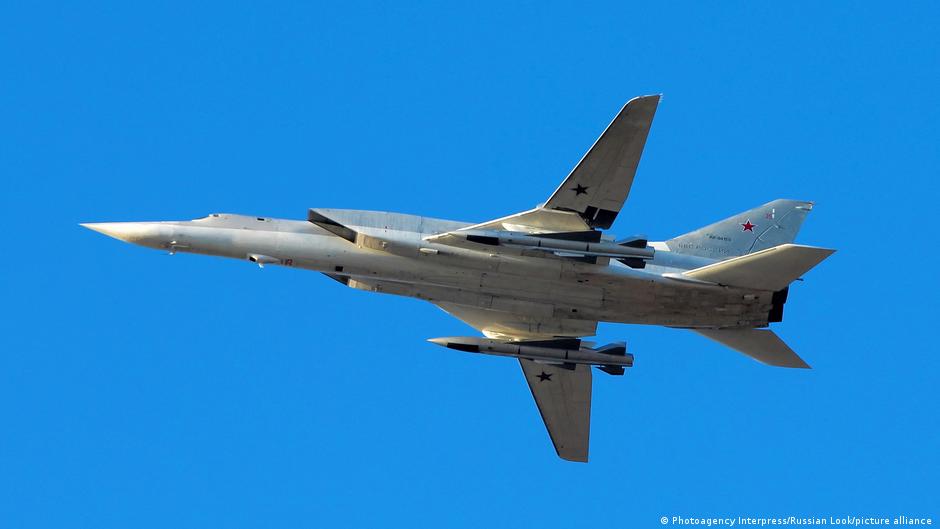
On April 20, NATO forces intercepted a formation of Russian strategic bombers and fighter jets flying over the Baltic Sea, an event that adds to ongoing geopolitical uncertainties influencing global capital markets. According to French military command, the operation involved French Rafale jets alongside aircraft from Sweden, Finland, Poland, Denmark, and Romania, escorting Russian Tu-22M3 supersonic missile carriers and Su-30 and Su-35 fighters during their flight.
Market Implications of Military Maneuvers in the Baltic Region
The Russian Ministry of Defense described the flight as a scheduled operation over neutral waters, emphasizing compliance with international regulations. However, Lithuania's Ministry of Defense reported multiple NATO intercept missions between April 13 and 19 in response to Russian aircraft allegedly violating flight rules, including transponder shutdowns and lack of communication with air traffic control.
The incident adds to geopolitical risk, which is closely monitored by investors due to its potential to disrupt regional stability and energy supplies. European equities, particularly in the defense sector, experienced increased volatility following the news. Bonds of countries in the Baltic region also showed signs of yield fluctuations as risk premiums adjusted to the heightened tensions.
"On certain legs of the route, the strategic bombers were escorted by foreign state fighters," NATO confirmed, highlighting the high-alert posture in the Baltic airspace.
Such military activities often trigger short-term risk-off sentiment among investors, prompting shifts from equities to safer-haven assets like government bonds. The Baltic States' proximity to the incident zone suggests that their markets may be particularly sensitive to further escalations, potentially impacting foreign direct investment and sovereign debt stability.
Moreover, energy markets are indirectly affected as the Baltic Sea region serves as a key transit corridor for natural gas and oil pipelines. Heightened military activity raises concerns over potential supply disruptions, influencing commodity prices and associated derivatives trading.
Investors should continue to monitor NATO-Russia engagements closely, as prolonged tensions may lead to broader economic sanctions or countermeasures that could compound market volatility. Diversification and risk management remain prudent strategies amid this uncertain geopolitical backdrop.