Russian Advisor Predicts Prolonged War Impacting Economic Stability and Markets
Rosneft advisor forecasts decades-long conflict in Russia, urging economic and defense restructuring amid security challenges.
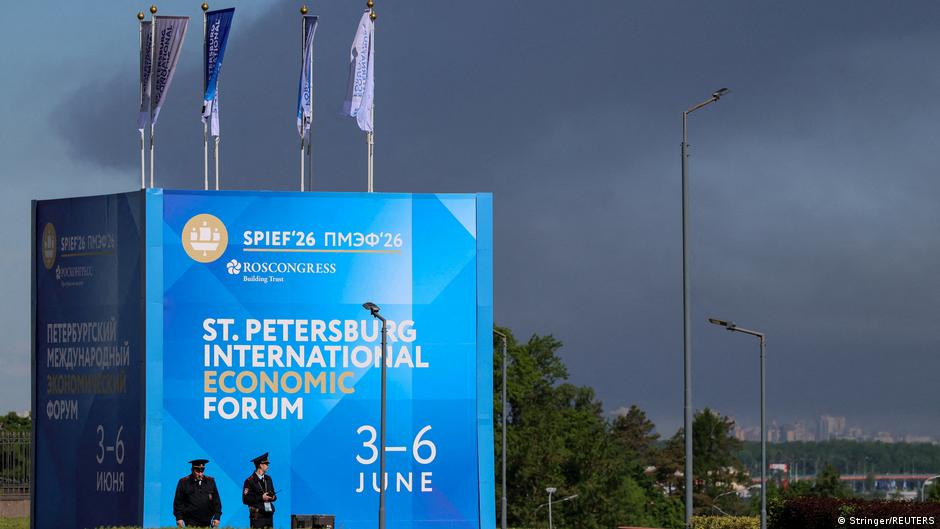
At the recent St. Petersburg International Economic Forum (SPIEF), Andrey Bezrukov, a political advisor to Rosneft's CEO Igor Sechin, outlined a sobering forecast for Russia's geopolitical and economic future. Bezrukov suggested that Russia may remain in a state of conflict for several years, potentially spanning a couple of decades, which could have lasting implications for the country's capital markets and investor sentiment.
Long-Term Conflict and Market Implications
Bezrukov noted that the ongoing conflict could evolve from the current "hot" phase into a prolonged, gradual warfare, affecting multiple generations. He remarked, "We may have two generations practically engaged in warfare, and we need to learn how to live with this war." This sustained conflict horizon signals a significant shift in Russia’s socio-economic landscape, with direct consequences for its capital markets.
For investors, the prolonged conflict implies persistent uncertainty over Russia’s economic growth prospects and stability. The advisor urged a transformation of Russia's state and economic systems to prioritize both development and national defense capabilities. This dual focus could lead to increased government spending on defense sectors, influencing equity valuations particularly in state-affiliated enterprises, while potentially straining public finances and bond markets.
"We need to build the state system and economy not only to fulfill development goals but also defense tasks," Bezrukov emphasized, highlighting a strategic pivot that investors should closely monitor.
Security Threats and Market Volatility
Beyond the military outlook, Bezrukov raised concerns about advanced biological threats, referencing "biowarfare" technologies capable of creating viruses with devastating potential. While these claims align with Kremlin propaganda narratives, they contribute to an atmosphere of heightened risk perception among market participants.
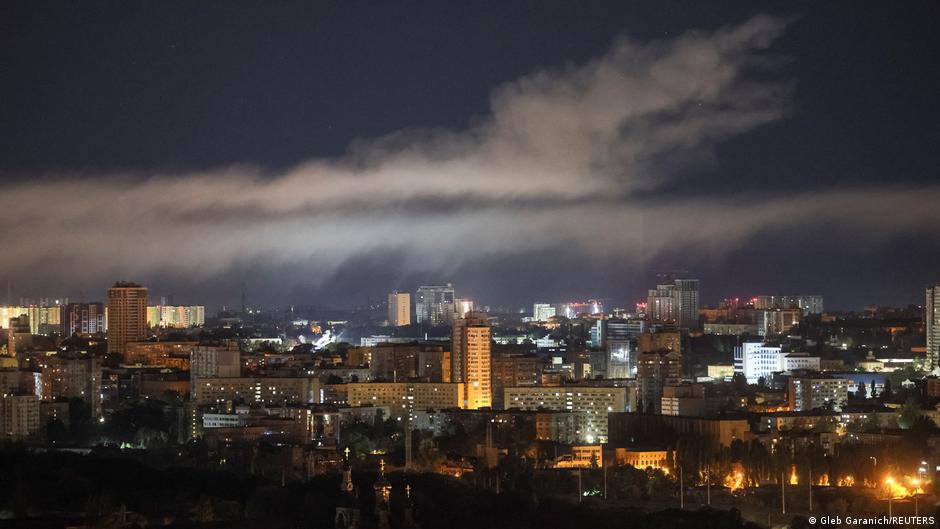
Simultaneously, recent drone attacks on St. Petersburg and the Leningrad region, including significant damage to key infrastructure such as the Petersburg oil terminal – a major oil transshipment hub – have fueled fears of supply disruptions and operational risks within critical energy sectors. The attacks disrupted mobile internet services and caused flight delays at Pulkovo Airport, reflecting broader vulnerabilities in Russia's logistical and communication infrastructure.
Market reactions to these developments have been mixed. Energy equities may experience short-term volatility due to infrastructure risks, while defense sector stocks could receive support amid increased government focus on military readiness. Bond markets might face pressure if prolonged conflict and increased defense expenditure lead to fiscal imbalances or heightened sovereign risk premiums.
Investor Considerations in a Protracted Conflict Environment
From a capital markets perspective, the prospect of a multi-decade conflict necessitates a reassessment of risk models and portfolio strategies. Investors with exposure to Russian equities and bonds should factor in possible prolonged economic sanctions, geopolitical instability, and increased state control over strategic industries.
Furthermore, the emphasis on defense-oriented economic restructuring suggests potential growth in sectors linked to military and security industries, though this may come at the expense of broader economic diversification and openness to foreign investment.