Russian Elites Warn Putin Against Internet Restrictions Amid Economic Concerns
Top Kremlin officials cautioned Putin on tighter internet controls due to negative impacts on business and investor sentiment.
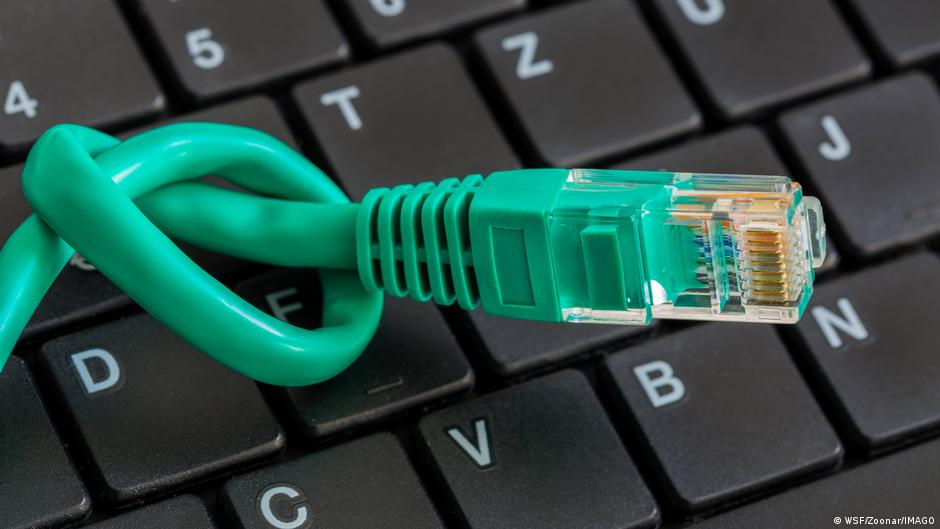
Senior figures in Russia’s political elite have reportedly urged President Vladimir Putin to reconsider the government’s plans to impose stricter internet restrictions starting in 2025. According to sources, key advisers, including Kremlin spokesperson Dmitry Peskov and presidential administration deputy head Sergey Kiriyenko, expressed concerns about the economic fallout and societal dissatisfaction these measures could cause.
Market Implications of Increased Internet Controls
Internet shutdowns and tighter digital controls are expected to inflict multibillion-dollar losses on Russian companies, further straining an economy already challenged by international sanctions and geopolitical tensions. Investors are increasingly wary as the regulatory environment becomes more unpredictable, impacting equity valuations and bond market stability.
While some within the elite had previously dismissed China’s internet censorship as excessive, current discussions reveal a grudging respect for Beijing’s centralized control, reflecting a shift in attitude amid Russia’s tightening digital governance. However, efforts by officials to temper Putin's approach have so far been unsuccessful, as the President reportedly places greater trust in security agencies advocating for robust information controls amidst the ongoing conflict in Ukraine.
"The Kremlin’s move to clamp down on internet freedoms is seen by many insiders as a costly risk that could undermine both economic performance and public morale," a source noted.
The expansion of internet restrictions is part of a broader pattern of government interventions affecting daily life, including increased taxes, rising prices, and controversial policies such as large-scale livestock culls in Siberia. These developments have sparked growing dissatisfaction among the public, raising questions about the resilience of Russia’s internal social contract, which had previously allowed many citizens to largely compartmentalize the war’s impact on their personal lives.
Recent public opinion data underscore this trend. In April, surveys indicated the lowest level of national happiness in 15 years and a significant drop in trust toward Putin since the start of the war. Although official methods were subsequently altered, temporarily improving presidential approval ratings, the cumulative effect of economic pressures and restrictive policies is souring investor confidence.
Financial market participants should monitor these developments closely, as the tightening of digital controls and growing public discontent could exacerbate capital outflows, depress stock market performance, and increase sovereign risk premiums. The Kremlin’s prioritization of security considerations over economic stability may result in heightened volatility and reduced foreign investment appetite in the near term.