US Imposes Sanctions on Major Cuban State Firms Controlling 40% of GDP
New US sanctions target five key Cuban state companies, intensifying economic pressure amid heightened political tensions.
The United States has escalated its economic pressure on Cuba by imposing new sanctions on five pivotal Cuban state-owned companies, which collectively account for approximately 40% of the island nation's GDP. This move marks a continuation of Washington's effort to curtail the Cuban government's financial resources and influence.
Sanctions Target Key Economic Players and Leadership Ties
On June 23, the US State Department announced restrictions targeting companies linked primarily to Grupo de Administración Empresarial S.A. (GAESA), a business conglomerate managed by Cuba's Revolutionary Armed Forces. GAESA is estimated to control an economic portfolio valued at around $14.5 billion in liquid reserves as of 2024, underscoring its significant role in Cuba's economy.
The sanctioned entities engage in diverse sectors, including export and import operations, foreign investments, financial activities, and raw steel production. Further sanctions were also applied to the spouse of Alejandro Castro, head of Cuba's National Security Council and son of former Cuban leader Raúl Castro, indicating efforts to target the regime's inner circle.
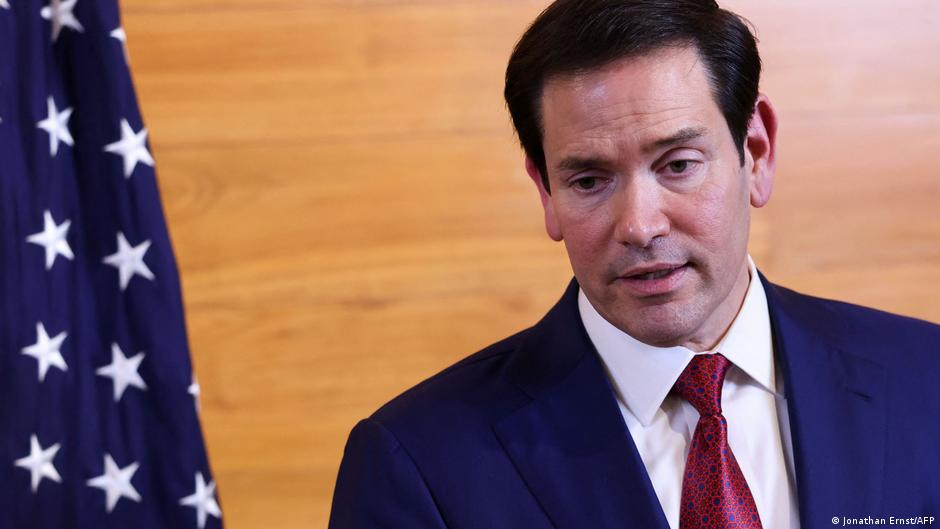
"The Cuban regime uses GAESA to enrich itself and fund repression, espionage, and anti-American activities," stated US Secretary of State Marco Rubio.
The US government asserts that these measures aim to disrupt the financial mechanisms that sustain the Cuban leadership's control and repressive actions. Conversely, Cuba's Foreign Minister Bruno Rodríguez condemned the sanctions as "merciless aggression and collective punishment," labeling Rubio "dishonest and deceitful." This rhetoric signals further deterioration in bilateral relations.
Legal Developments and Market Implications
In a related development, the US Supreme Court upheld the rights of American companies to pursue compensation claims for assets nationalized by Fidel Castro's government decades ago. Notably, energy giant Exxon Mobil has been authorized to seek damages relating to properties such as refineries, oil terminals, and over 100 gas stations seized by Cuba in 1960. The potential compensation could reach up to $1 billion.
This judicial ruling could intensify tensions between the US and Cuba, bolstering the Trump administration's hardline stance. For investors, the evolving geopolitical landscape introduces increased risks and uncertainties, particularly for equities and bonds linked to Cuban markets or entities engaged with the island.
Market participants should monitor these developments closely, as sanction-driven disruptions can affect supply chains, foreign investment flows, and broader regional economic stability. The sanctions may also influence US investor sentiment toward emerging market exposures associated with Cuba.
Overall, the US sanctions and legal actions signal a strategic effort to pressure the Cuban government economically and politically, with potential ripple effects across capital markets and investment portfolios related to Latin America.