Russian Missile and Drone Strikes on Kyiv Trigger Fires and Evacuations, Impacting Markets
Massive Russian attack on Kyiv causes fires and casualties, with broader strikes across Ukraine affecting investor sentiment in capital markets.
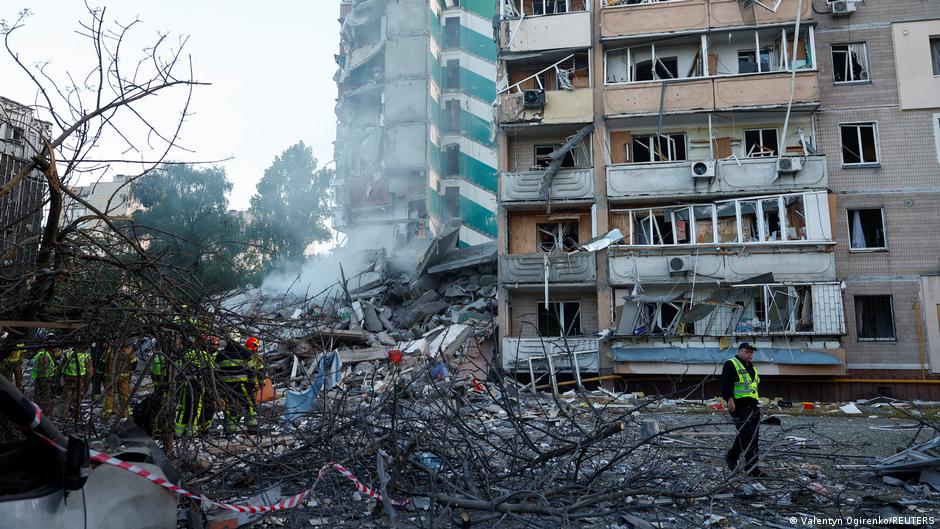
On the night of May 14, Russian forces launched a large-scale missile and drone strike on Kyiv, igniting fires and causing significant structural damage across the Ukrainian capital. Emergency services reported ongoing rescue operations amid collapsed residential buildings, with at least nine people hospitalized and one fatality confirmed.
Immediate Impact on Kyiv and Broader Regional Strikes
The attack involved both guided missiles and unmanned aerial vehicles, resulting in explosions heard throughout Kyiv. According to local authorities, residential high-rise buildings suffered partial collapses, particularly in the Darnytskyi district in the city's southeast, where around 10 people were rescued from rubble as rescue efforts continued.
Other districts, including Dniprovskyi, Shevchenkivskyi, Solomianskyi, Obolonskyi, and Holosiivskyi, experienced damage ranging from fires caused by falling drone debris to impacts on non-residential properties and business centers. A fire also broke out at a gas station and several smaller commercial structures were damaged. Kyiv’s mayor reported that by early morning, nine individuals were hospitalized and two received outpatient care.
Beyond Kyiv, Ukrainian Armed Forces indicated that missile and drone attacks also targeted multiple other regions, including Kharkiv, Poltava, Sumy, Donetsk, Odesa, Mykolaiv, Dnipropetrovsk, and Cherkasy oblasts. Notably, the Ukrainian military confirmed the very first strike on Uzhhorod, the administrative center of Zakarpattia oblast, marking an expansion of the conflict’s geographic scope with confirmed explosions in the area.
"In the previous 24 hours alone, Russian forces launched 892 drones against Ukraine, with 710 intercepted by air defenses," the Ukrainian Armed Forces reported.
Capital Markets Reactions and Investor Concerns
These intensified attacks have resulted in heightened geopolitical uncertainty, which is impacting both Ukrainian and broader regional capital markets. The escalation tends to increase risk aversion among investors, often leading to volatility in equities and sovereign bonds, particularly those linked to Ukraine and its trading partners.
Investors are closely monitoring the situation as damage to critical infrastructure and civilian areas could further destabilize the Ukrainian economy. This scenario raises concerns over the country’s creditworthiness and the performance of Ukrainian equities. Additionally, broader Eastern European markets may experience spillover effects as geopolitical risk premiums rise.
Bond markets, especially those holding Ukrainian sovereign and corporate debt, could face downward pressure due to increased default risk perceptions. Conversely, defense-related sectors across global markets may see increased interest as governments reassess defense spending amid heightened tensions.
Market participants are advised to stay vigilant with a focus on emerging developments in the conflict and their potential economic consequences. Diversifying portfolios to mitigate exposure to Ukrainian assets and closely following air defense and counterstrike efficacy may offer strategic advantages during this volatile period.