Russia Signs Military-Technical Cooperation Deal with Taliban Amid Geopolitical Shifts
The agreement may facilitate arms transfers, raising concerns about market stability and investor risk amid evolving geopolitical alliances.
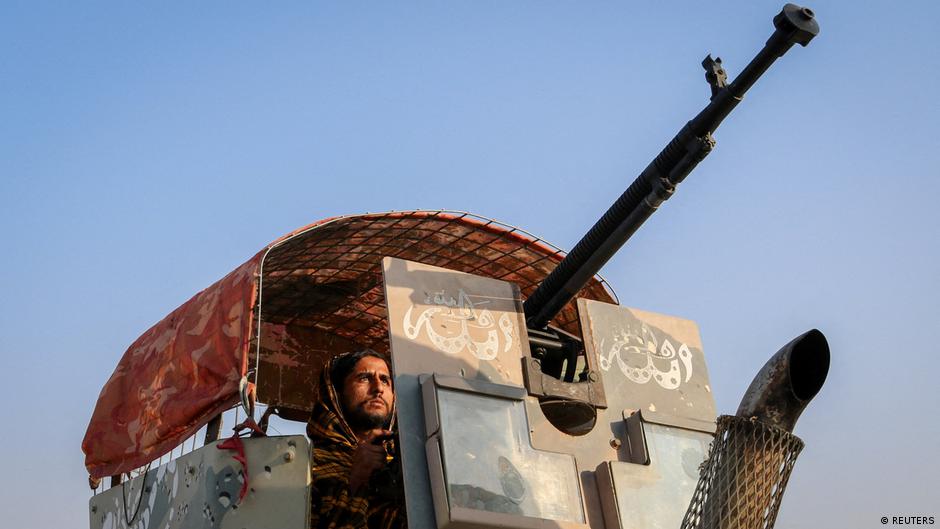
Russia has formalized a military-technical cooperation agreement with the Taliban, the ruling radical Islamic movement in Afghanistan, signaling a potential shift in geopolitical alliances with implications for global capital markets. The deal, signed on the sidelines of the International Security Forum near Moscow, could pave the way for the transfer of Russian weapons, technologies, and joint military developments to the Taliban, raising questions about regional stability and investor sentiment.
Market Implications of Russia-Taliban Military Collaboration
The exact terms of the agreement remain undisclosed, but such accords typically involve exchanges of military hardware, licenses, and technology. This development comes amid ongoing geopolitical tensions and sanctions affecting Russia's defense sector and broader economy.
"This agreement symbolizes a strategic partnership but lacks immediate tangible military cooperation," said a regional expert, emphasizing the symbolic nature of the deal.
The formalization of military ties between Moscow and Kabul may affect investor confidence in Russian defense equities and sovereign bonds, given the heightened risk profile associated with supporting a regime considered terrorist by several countries. Since the Taliban's return to power in 2021 following the U.S. withdrawal, Russia has increasingly engaged with the group, including recognizing the Taliban's representative in Moscow and removing it from its terrorist list.
For investors, the alliance introduces complexities in assessing country risk and geopolitical exposure. Western sanctions already constrain Russia’s defense sector, and this partnership could lead to additional scrutiny or countermeasures that affect Russian markets. Bonds issued by Russia or entities linked to defense might face volatility if market participants perceive escalated geopolitical risk or possible embargoes on arms sales.
Moreover, the call by Russian Security Council Secretary Sergey Shoigu for Western countries to unfreeze Afghan assets and finance reconstruction suggests Moscow's intention to position itself as a key player in Afghanistan's future. This strategy could redirect capital flows and investment opportunities in the region, although the Taliban's international status remains controversial.
Market analysts will closely monitor the development of this cooperation agreement and its practical implementations. While some view the deal as largely symbolic, any operational collaboration involving arms transfers or joint ventures could heighten geopolitical risks, impacting risk premiums on Russian assets and potentially triggering shifts in emerging market portfolios.
In conclusion, the Russia-Taliban military-technical agreement highlights an emerging geopolitical alignment with important ramifications for capital markets. Investors should remain vigilant regarding sanctions, geopolitical risk assessments, and potential market reactions as the situation unfolds.