Market Unshaken as German Chancellor Merz’s Early Replacement Rumors Denied
Sources close to Chancellor Friedrich Merz dismiss talks of his early replacement, calming uncertainties in German political and financial markets.
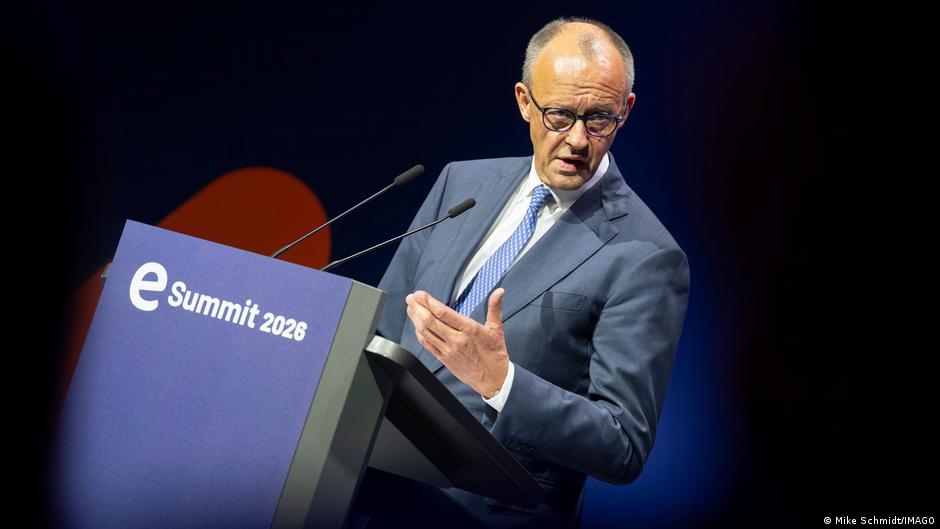
Sources close to German Chancellor Friedrich Merz have categorically denied reports suggesting preparations for his early replacement at the helm of the government. The rumors, initially published by the weekly Stern and newspaper Bild, claimed that the Christian Democratic Union (CDU) was discussing an expedited leadership change ahead of the end of Merz's term.
Within Merz’s circle, these claims were labeled as "absurd speculations," highlighting the potential political destabilization such rumors could cause. The sources also criticized the narratives as reflecting a "dangerous tendency to incite" and a "striking ignorance of constitutional and political realities."
Implications for Markets and Investors
The denial of an early leadership change plays a significant role in stabilizing German political confidence, which is closely monitored by capital markets. Chancellor Merz is viewed as a key figure for Germany's economic policies, and any hint of political upheaval could have triggered volatility in equities and bonds.
"Such rumors benefit the far-right party Alternative for Germany (AfD) and undermine the political center's credibility amid ongoing domestic and global crises," stated sources from Merz’s environment.
Indeed, political uncertainty often leads to risk-off sentiment among investors, impacting German equities and sovereign bond yields. The clarity reinforced by these denials helps maintain steadiness in market perceptions, particularly in the CDU-led coalition’s approach to fiscal and regulatory policies.
However, it is important to note that public approval for the government and Chancellor Merz remains low. A recent May Deutschlandtrend survey showed that 86% of Germans are dissatisfied with the current cabinet’s performance, and Merz’s personal approval rating has dropped to 16%, a record low since he assumed office.
Despite this domestic dissatisfaction, the stability in leadership expectations has helped avoid market disruptions that might have arisen from speculation about leadership transitions. Investors continue to monitor developments closely, especially given the CDU’s internal discussions about potential successors, including North Rhine-Westphalia Prime Minister Hendrik Wüst, Bavarian Prime Minister Markus Söder, and CDU/CSU parliamentary leader Jens Spahn.
Replacing a sitting chancellor prematurely involves complex constitutional procedures. Merz would need to either initiate new chancellor elections during the current Bundestag term or step down under pressure from influential party members. Such a process would require cooperation between CDU/CSU and the Social Democratic Party (SPD), complicating any leadership change scenario.
For investors, sustained political stability in Germany remains crucial given the country’s central role in the European economy and the eurozone financial system. Market participants will continue to watch the CDU’s internal dynamics and public sentiment closely, weighing the potential impact on fiscal policy, regulatory frameworks, and broader economic confidence.