German Military Museum Restricts Access for Uzbek Nationals Amid Security Concerns
Visitors from Uzbekistan and other Central Asian countries face new entry restrictions at Germany's Koblenz Bundeswehr Military Museum.
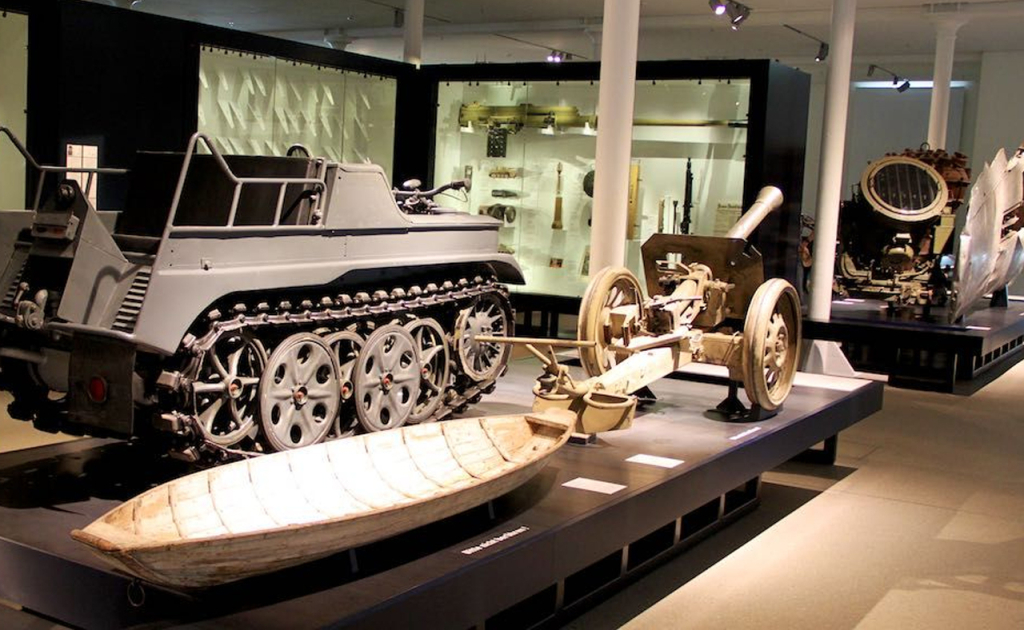
In a recent development affecting international visitors, the Bundeswehr Military Museum in Koblenz, Germany, has implemented entry restrictions for citizens of Uzbekistan, among other countries, citing security regulations.
Impact of Security Measures on Museum Access
Since March of this year, Uzbek nationals have been included in a list of visitors barred from accessing the museum, which is renowned for its extensive collection of military technology ranging from World War I to modern armored vehicles. The restrictions also apply to several other Central Asian nations, including Kazakhstan, Kyrgyzstan, Turkmenistan, and Tajikistan, as well as countries such as Afghanistan, China, Iran, Pakistan, and Syria.
The museum administration attributes these limitations to Germany's national security laws, particularly the requirements related to reliability checks. Visitors are required to present valid identification, and tickets are priced at 3 euros. These measures aim to bolster security protocols at cultural institutions housing sensitive historical military artifacts.
"The entry restrictions have been enforced in adherence to the German security legislation, ensuring the safety of exhibits and visitors alike," museum officials stated.
The Bundeswehr Military Museum holds one of the world’s largest collections of military equipment, including iconic vehicles such as the FT-17 tank and Leopard 1 and Leopard 2 battle tanks, alongside prototypes developed by NATO member countries. The museum also features a wide variety of firearms, artillery systems, and armored vehicles.
Market and Investor Perspectives
While the restriction is primarily a security measure, it has indirect implications for capital markets and investors with interests in German cultural assets and defense sectors. Museums like the Bundeswehr Military Museum contribute to Germany’s cultural tourism economy, an integral component of regional economic activity and investment sentiment.
Travel and tourism equities, particularly those linked to Germany and Central Asia, might experience shifts due to tightened visitor access influencing tourism flows. Furthermore, companies involved in the manufacturing of military equipment showcased in the museum, such as those producing Leopard tanks, may observe changes in perception influenced by geopolitical and security policies.
For investors focused on regional market dynamics, the inclusion of Uzbek and other Central Asian nationals in entry restrictions underscores the growing interplay between security and economic activity. It reflects heightened caution that could extend to broader sectors including defense manufacturing, tourism, and international relations.
Overall, these security-driven entry bans exemplify how geopolitical considerations are increasingly factored into cultural and commercial domains, potentially impacting investor confidence and market behavior in affected regions.
Based on reporting by Deutsche Welle.