Ukrainian Drone Attacks on Crimea Trigger Fires, Impact Local Infrastructure and Markets
Drone strikes on key Crimean ports and facilities raise concerns over regional stability and investor sentiment in related equities and bonds.
On June 21, Ukrainian armed forces launched a series of drone attacks targeting Russian-annexed Crimea, including critical infrastructure at the port of Kerch and the city of Sevastopol. The assaults caused significant fires at oil storage terminals and disrupted transportation routes, sparking questions about the impact on regional capital markets and investor risk appetite.
Drone Strikes and Fires Disrupt Key Crimean Assets
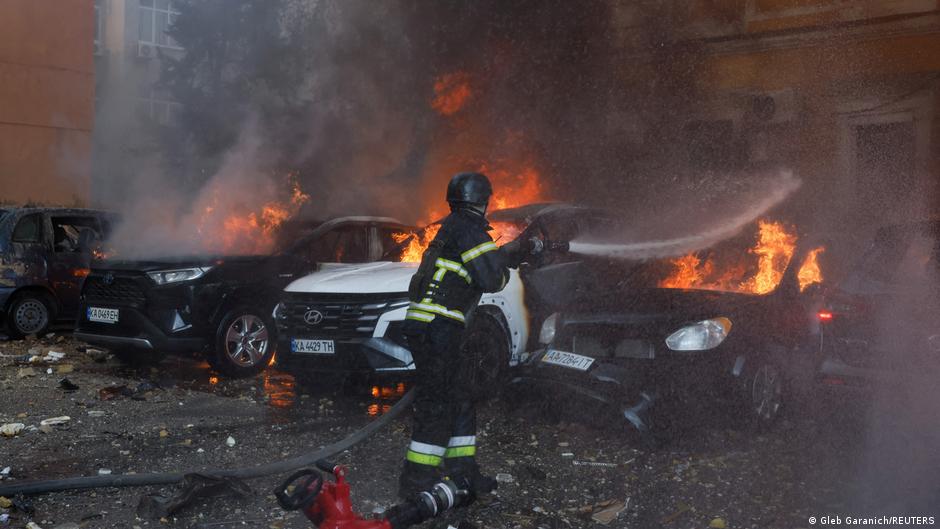
According to official Russian-appointed authorities and independent monitoring channels, multiple unmanned aerial vehicles (UAVs) were intercepted and neutralized near Balaklava and Cape Fiolent in the Sevastopol area. Despite the defensive success, fires broke out at the Kerch port, specifically affecting the "TES-Terminal"—a railway complex for the transshipment and storage of petroleum products and liquefied gas.
Additional reports indicate potential damage to the Port Kavkaz and localized fires near military installations in the Kurortnoe settlement and at a military unit near Kerch. The scale of the attacks reflects an escalation in targeted strikes on logistics and energy infrastructure within Crimea, a region critical for Russian supply chains and geopolitical leverage.
"In Sevastopol, military units are actively repelling UAV attacks, employing air defense systems and mobile fire groups to neutralize threats," stated the local administration.
Earlier on June 20, a larger wave of drone strikes caused multiple fires at the Tavricheskaya Thermal Power Station, oil and gas storage facilities, distribution stations, and key bridges and crossings, further underscoring the vulnerability of Crimean infrastructure.
Market Implications for Energy and Regional Assets
The attacks have immediate and longer-term implications for investors focused on equities and bonds connected to Russian energy infrastructure and regional development projects. The Kerch port and associated terminals are pivotal for exports of petroleum products and LNG, and disruptions raise concerns over supply chain continuity and operational risks.
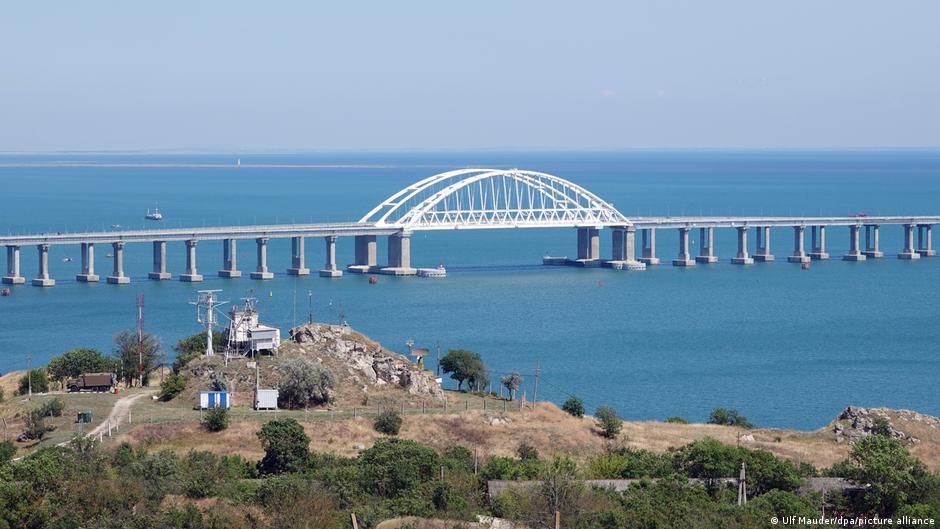
Investors in Russian corporate bonds or equities related to transportation, energy logistics, and regional infrastructure may face heightened volatility as market participants reassess geopolitical risks. The temporary closure of the Crimean Bridge to vehicle traffic due to security threats further compounds logistical uncertainties, potentially impacting trade flows and the broader regional economy.
Capital markets often react sensitively to such escalation in conflict zones. Analysts suggest that persistent security threats could lead to increased risk premiums on debt instruments issued by entities operating in or dependent on Crimea. Equity valuations of regional operators might also come under pressure amid fears of repeated disruptions or damage to physical assets.
Investor Considerations Amid Escalating Tensions
For investors with exposure to Russian markets or interested in energy and infrastructure sectors, monitoring developments in Crimea is essential. The evolving security environment introduces an added layer of geopolitical risk, which can impact valuations, credit ratings, and overall market sentiment.
While direct casualty reports remain minimal, the attacks highlight the strategic vulnerabilities of the region’s energy and transport corridors. Investors should consider the potential for further disruptions and factor these risks into portfolio allocations and risk management strategies.
As the situation develops, market participants will watch for any broader escalation or retaliatory measures that could influence regional stability and capital flows.