Positive Diplomatic Dialogue Between Zelensky and Trump Envoys Sparks Market Interest
Ukraine’s President Zelensky’s optimistic talks with US envoys signal potential shifts in conflict resolution, impacting market sentiment and investor outlooks.
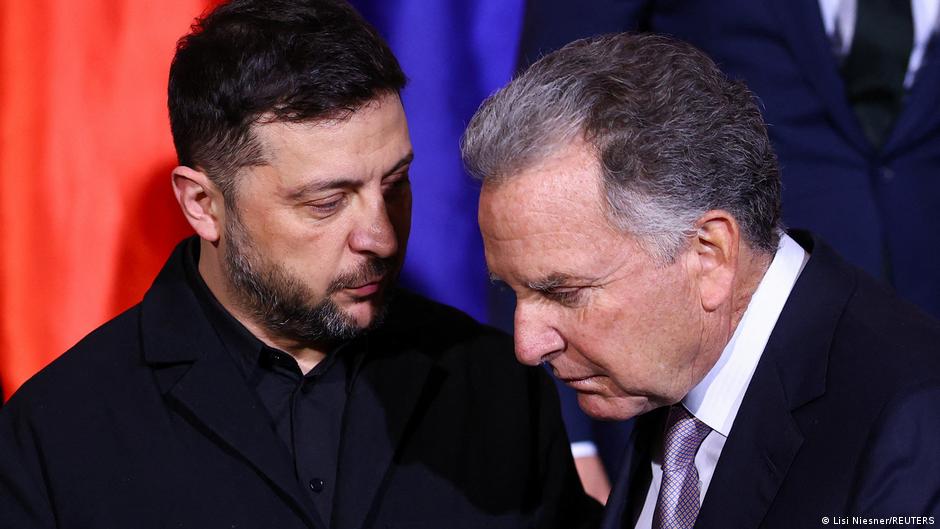
Ukrainian President Volodymyr Zelensky has reported a "very positive" conversation with former US President Donald Trump's special envoys, Steve Whitkoff and Jared Kushner, highlighting their readiness to actively engage in efforts to end the ongoing conflict in Ukraine.
On June 8, Zelensky expressed gratitude on social media platform X for the envoys' willingness to "work as actively as possible in the coming weeks to give a diplomatic push towards ending Russia's war against Ukraine." This development has caught the attention of global capital markets due to its potential influence on geopolitical stability and economic forecasts.
Market Implications of Renewed Diplomatic Efforts
The conversation took place amid Zelensky's return to Kyiv following high-level discussions in London with German Chancellor Friedrich Merz, UK Prime Minister Keir Starmer, and French President Emmanuel Macron. These leaders collectively outlined five conditions aimed at establishing a durable peace in Ukraine, including intensified pressure on the Russian economy, increased military aid to Ukraine, and collaborative missile production to bolster Ukraine's air defense and long-range strike capabilities.
"Grateful for respect towards Ukrainians and the positive assessment of Ukraine's position. Thank you, America!" Zelensky remarked, underscoring diplomatic goodwill.
From a capital markets perspective, these diplomatic exchanges offer a cautiously optimistic signal to investors. The prospect of de-escalation could alleviate some geopolitical risk premiums currently embedded in equities and bond markets, particularly in sectors sensitive to defense spending, energy supply disruptions, and regional stability.
Equity markets in Europe and related emerging markets have been volatile amid the conflict, with defense contractors and energy companies experiencing mixed reactions based on supply chain concerns and government contracts. Meanwhile, bond markets have reflected heightened risk aversion, with yields fluctuating in response to geopolitical news.
Investors should monitor how these diplomatic developments evolve, especially in light of Ukrainian President Zelensky's open letter to Russian President Vladimir Putin on June 4 proposing an end to hostilities and a personal meeting to set a clear timeline. Putin's swift rejection of the proposal—labeling it as containing "elements of rudeness" and expressing skepticism about the meeting—maintains uncertainty, signaling that market risk premiums may remain elevated.
Yet, the engagement of Trump's envoys represents an additional diplomatic channel that may influence the trajectory of negotiations. Their active involvement could accelerate diplomatic momentum or introduce new dynamics, prompting investors to reassess geopolitical risk factors in their portfolios.
For bond investors, particularly those holding sovereign and corporate debt in the region, developments could affect credit spreads and bond valuations. Likewise, equity investors should consider the potential for shifts in defense sector demand and energy market stability.
In summary, while Zelensky's positive remarks about talks with Whitkoff and Kushner offer a hopeful sign, the broader geopolitical landscape remains complex. Market participants will need to weigh these diplomatic signals against ongoing military and political developments to navigate risk and identify opportunities.