Bulgaria to Veto EU’s Latest Sanctions on Russia, Raising Market Concerns
Bulgarian PM signals veto over economic risks from EU sanctions targeting Russian entities including Lukoil
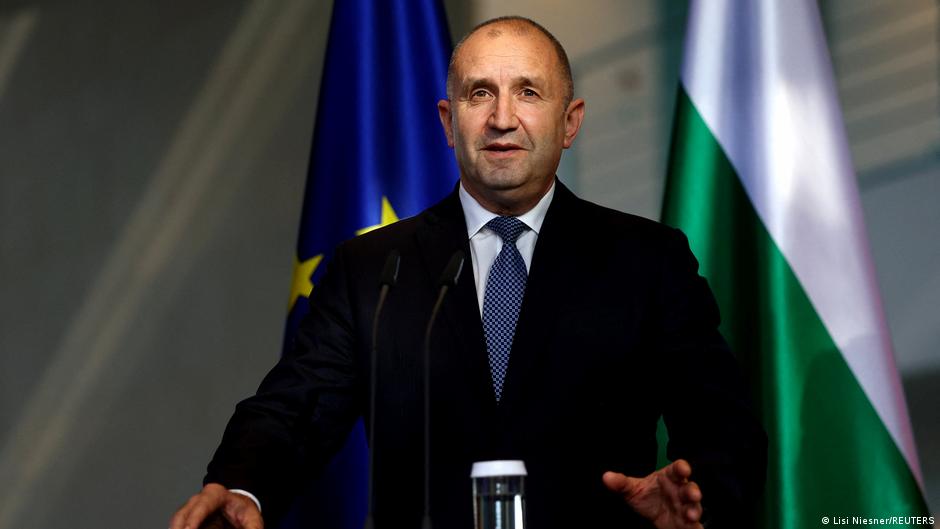
Bulgaria has announced its intention to veto the European Union's latest sanctions package against Russia, citing significant economic risks and objections to measures targeting the Russian Orthodox Church's patriarch. This move introduces new uncertainties in European markets related to energy supplies and geopolitical stability.
Economic Concerns Behind Bulgaria’s Veto
On June 18, Bulgarian Prime Minister Rumen Radev declared that Sofia would block the EU's expanded sanctions list, which targets dozens of Russian and foreign entities linked to Russia's military-industrial complex and oil exports. Radev emphasized the potential adverse impact on Bulgaria's economy, specifically highlighting the risk to "Lukoil," a key player in Bulgaria’s energy sector.
"There is a significant risk for the operations of Lukoil. We want the company to be removed from the sanctions list," said Radev ahead of the EU summit in Brussels.
Lukoil operates the only oil refinery in Bulgaria, located in Burgas, and is a major retail fuel supplier. The sanctions could disrupt fuel supplies and related industrial activities, which has unsettled investors monitoring European energy equities and bonds tied to the sector.
Broader Market and Supply Chain Implications
Beyond energy, Radev expressed concerns over the possible disruption of spare parts for Sofia’s metro system and fertilizer supplies, which could affect critical infrastructure and agriculture. The uncertainty around these essential inputs adds pressure on Bulgarian markets and may ripple through regional supply chains.
Radev questioned the efficacy of the sanctions in achieving their political goals, asking rhetorically how these measures have halted the war or contributed to peace efforts, while reiterating Bulgaria’s support for Ukraine’s EU accession negotiations.
EU Sanctions Expansion and Market Impact
Earlier on June 15, the EU expanded its sanctions to include 34 individuals and 47 entities, targeting Russian and international companies involved in oil exports and military sectors. The updated list also encompasses subsidiaries such as "Lukoil-West Siberia" and companies based in Russia, Liberia, Turkey, UAE, Azerbaijan, and Hong Kong.
Sanctions additionally affected prominent Russian media figures and religious leaders tied to the Kremlin, adding political depth to the economic measures.
Investor Takeaway
Bulgaria’s veto signals potential fragmentation within the EU on sanction enforcement, which could lead to delays or modifications in policy implementation. For capital markets, this introduces volatility in energy equities and bonds, especially for companies with exposure to Eastern European markets and Russian-linked supply chains.
Investors should monitor developments closely, as any weakening of sanction cohesion may affect commodity prices, regional investment risk profiles, and the stability of energy supply in southeastern Europe.