German Authorities Identify 410 Islamist Threats Amid Rising Radicalization Concerns
Rising Islamist threat designations and recent violent incidents raise alarms for German security and impact investor sentiment in the capital markets.
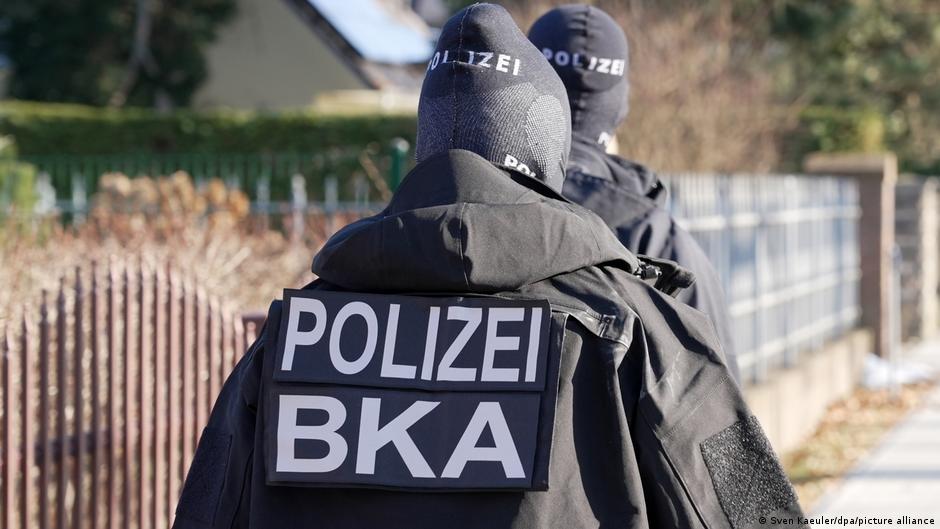
Germany currently identifies 410 individuals as threats linked to Islamist extremism, according to recent data from the Federal Criminal Police Office (Bundeskriminalamt, BKA) as of July 1, 2026. This classification highlights ongoing security concerns that have repercussions not only on public safety but also on market stability and investor confidence.
Market Implications of Rising Security Threats
The BKA’s threat list includes those deemed capable of committing serious violent offenses, such as terrorist attacks. Additional categories track 65 potential right-wing extremists and 17 potential left-wing extremists, showcasing the broad spectrum of domestic security challenges.
Such elevated security threats have the potential to affect investor sentiment, notably in Germany’s equity and bond markets. Heightened risk perceptions can spur volatility, especially in sectors sensitive to geopolitical stability, including financial services, real estate, and infrastructure.
Following the October 2023 Hamas attack on Israel, there was a marked increase in public sensitivity toward radicalization, which has kept security concerns in the spotlight. This environment can lead to cautious capital flows and impact valuations of companies exposed to security-related risks.
“Releasing individuals with a high potential threat level without continued monitoring cannot be the endpoint of state attention,” said Dirk Peglow, head of the German Criminal Police Union, underscoring calls for stronger deradicalization efforts.
The recent attack during Berlin’s LGBT parade on July 25, 2026, where 21-year-old Abdul B. rammed a van into participants, resulting in one death and 29 injuries, has intensified scrutiny on counterterrorism policies. Abdul B., a German citizen with Lebanese roots and ties to Islamist circles, had been previously detained on suspicion of preparing a terrorist attack but was released under conditional sentencing. This event has sparked criticism of judicial and law enforcement approaches to managing extremist threats.
For investors, such security incidents can translate into increased risk premiums on German sovereign bonds and caution in equity markets, as concerns about domestic stability weigh on economic outlooks. The broader European markets may also experience ripple effects due to Germany's central role in the EU economy.
As regional authorities continue managing and updating the threat registry, and as deradicalization programs evolve, market participants will be closely monitoring the intersection of national security and economic resilience. Maintaining investor confidence amid security challenges remains a critical task for policymakers and market regulators alike.