Russian Drone and Missile Strikes on Ukraine Decline in June, Market Implications Explored
June saw a notable reduction in Russian drone and missile attacks on Ukraine, prompting cautious investor analysis amid ongoing conflict uncertainties.
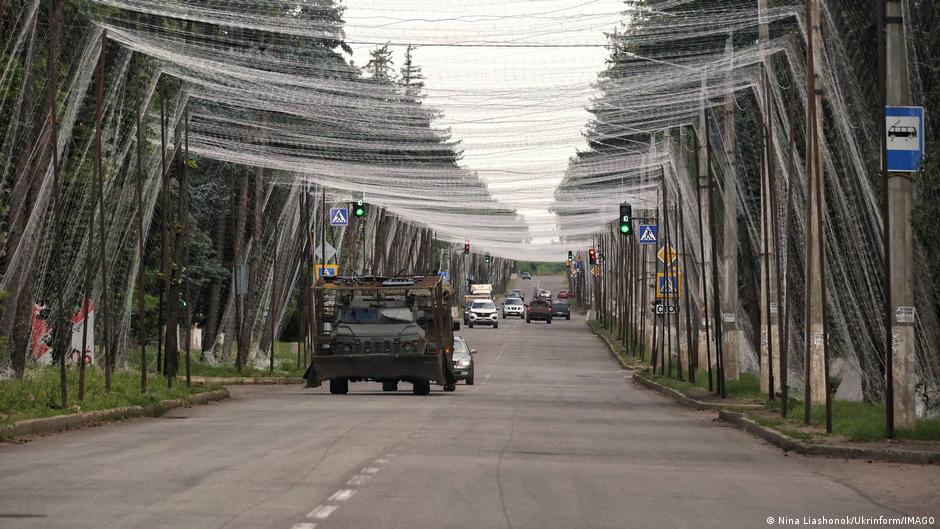
Data from the Ukrainian Air Force indicate a significant drop in Russian drone and missile strikes on Ukraine during June compared to May, according to an analysis reported by AFP on July 1. This development has drawn the attention of investors monitoring geopolitical risk in capital markets.
Market Reactions to Decline in Strikes
In June, Russia launched 5,749 drone attacks and 180 missile strikes against Ukraine, representing a 29% decrease in drone use and a 15% decline in missile attacks from May. May had recorded a record-high of 8,150 drone strikes and 211 missile launches since the full-scale conflict began in February 2022.
Despite this reduction, analysts caution that the decline may be temporary. Some speculate that Russia could be replenishing drone stockpiles or adjusting tactics ahead of potential autumn offensives. Others suggest supply chain disruptions, particularly concerning Iranian Shahed drones amid recent US and Israeli tensions with Iran, could be constraining Russia's military capabilities.
"A temporary pause in drone and missile use may reflect logistical recalibrations rather than a strategic shift," one European defense analyst noted.
From an investor perspective, the volatility in conflict intensity continues to contribute to market uncertainty, especially in energy and defense sectors. The reduction in Russian strikes may momentarily ease concerns over supply disruptions, particularly in commodities linked to the region.
Counterstrikes and Their Economic Impacts
Meanwhile, Ukraine intensified its own military responses in June, focusing attacks on Russian oil refining infrastructure, including refineries, fuel depots, and ports. These strikes have exacerbated fuel shortages in Russia, potentially amplifying inflationary pressures and supply chain challenges within Russian markets.
Additionally, targeted attacks on Russian defense industry facilities—such as the Voronezh semiconductor plant producing electronics for Iskander missiles—could further degrade Russia’s military production capacity over time.
Capital markets reflect these developments through fluctuations in energy prices and defense-related equities. The ongoing conflict and its military escalations remain critical risk factors for investors assessing emerging European market exposure and the global energy supply chain.
As the situation evolves, investors should monitor the balance between Russian operational constraints and Ukraine's counteroffensive capabilities, given their direct impact on market sentiment and asset valuations.