Qatar Denies Holding Iranian Pilots Amid Middle East Conflict, Market Impact Monitored
Qatar refutes claims of detaining Iranian pilots after airspace incursions, as regional tensions affect capital markets and investor confidence.
Qatar has officially denied allegations that it is holding three Iranian pilots following airspace violations during the ongoing Middle Eastern conflict. The statement comes amid heightened diplomatic efforts to ease regional tensions, which continue to reverberate through capital markets, impacting investor sentiment and asset prices.
Diplomatic Developments and Market Reactions
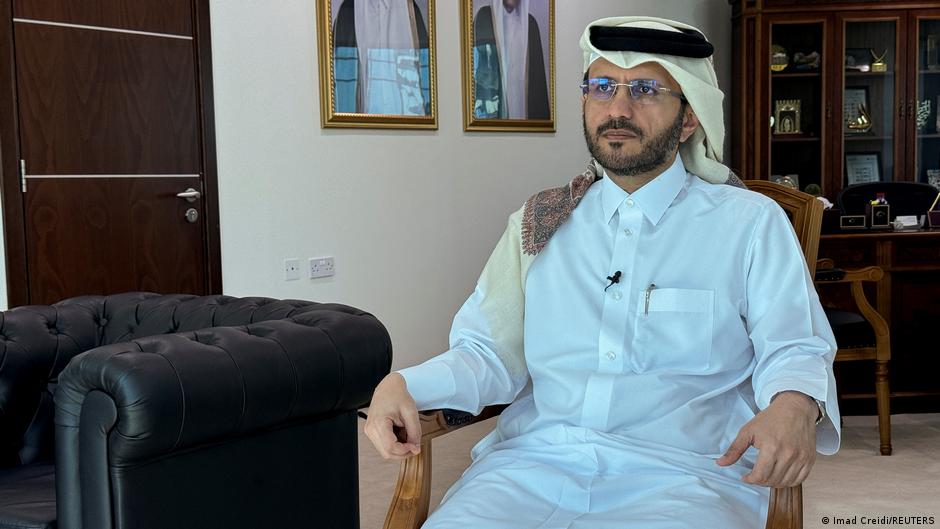
On August 15, Majid bin Mohammed al-Ansari, a spokesperson for Qatar's Ministry of Foreign Affairs, expressed surprise at the "misleading statements" alleging Qatar's detention of the pilots. He emphasized that such claims are unfounded and emerge amidst ongoing initiatives to reduce hostilities in the region.
According to al-Ansari, Qatar established contact with the pilots after confirming their incursion into Qatari airspace and took "necessary measures to protect its territory in accordance with international law." Doha also communicated these details through official diplomatic channels.
"Qatar has fulfilled its responsibilities, including search and rescue operations and coordinating the repatriation of remains with Iranian authorities," al-Ansari stated, highlighting the cooperative efforts despite strained relations.
Earlier, Tehran accused Qatar of detaining the pilots, who reportedly crashed during the initial phase of the conflict. Iranian officials, including Mohammad Bagherzadeh, head of the Armed Forces’ Missing Persons Search Committee, claimed the pilots—Javad Salehi, Abdolmajid Dashtian, and Omran Behruzyan—have been held captive by Qatari forces for six months without family contact.
Implications for Capital Markets and Investors
The ongoing dispute adds to geopolitical uncertainties already affecting global markets. Qatar's denial and diplomatic clarifications help mitigate immediate market fears of escalating conflict, which typically trigger volatility, particularly in equities and sovereign bonds of the Gulf Cooperation Council (GCC) countries.
Qatar, a significant player in energy markets and a regional investment hub, has reported missile and drone attacks, including interception of ballistic threats targeting its territory and commercial shipping routes such as the strategic Strait of Hormuz. These security concerns continue to weigh on investor confidence, influencing risk premiums on regional debt and equity valuations.
Earlier in the year, the U.S. and Iran reached a framework agreement aiming to cease hostilities and lift blockades in the Strait of Hormuz—a critical chokepoint for global oil supply. However, attacks, including an Iranian drone strike on a civilian tanker in June and subsequent U.S. military responses, have complicated the path to sustained peace.
Market participants closely monitor such developments, as any deterioration could affect energy prices, regional credit spreads, and capital flows. The recent U.S. suspension of airstrikes on Iran, citing negotiation progress, temporarily alleviated some tensions, but the situation remains fragile.
Investors should remain vigilant regarding Qatar’s geopolitical environment, as continued hostilities or misunderstandings could prompt sudden shifts in asset valuations across the Gulf region and beyond.
Looking Ahead
As Qatar and Iran navigate their diplomatic standoff, the international community’s engagement and transparency around such incidents will be critical to stabilizing the region. For capital markets, clarity and de-escalation are essential to restore investor confidence and prevent adverse shocks in equities and bond markets tied to geopolitical risk premia.
Overall, while Qatar’s official stance aims to defuse tensions by denying the detention claims and underscoring adherence to international protocols, investors remain cautious amid ongoing uncertainties in the Middle East conflict landscape.