German, Austrian Raids Highlight Sanctions Risk for Luxury Auto Trade
Investigators allege two businesspeople routed vehicles to Russia through third countries, underscoring compliance risks for European exporters.
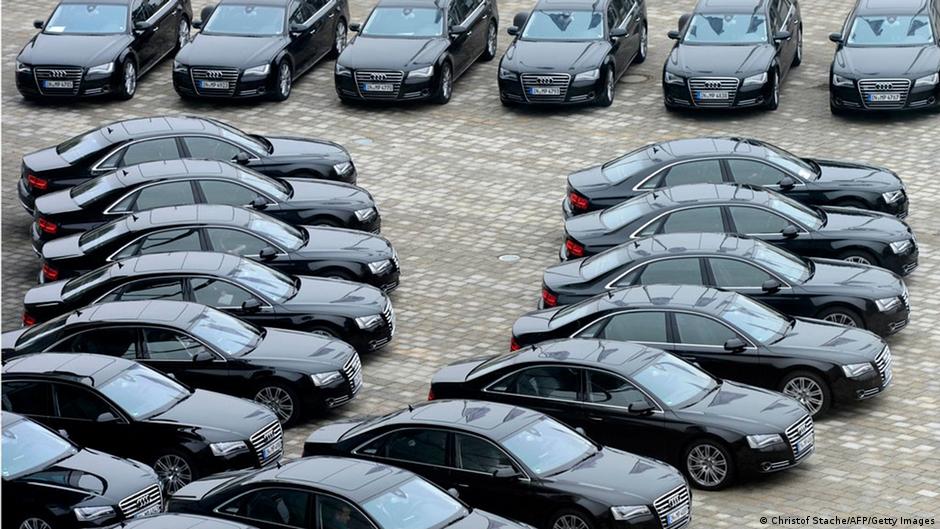
German and Austrian authorities have searched premises linked to two businesspeople suspected of exporting vehicles to Russia through third countries in breach of European Union sanctions, in a case that adds to investor concerns over compliance exposure across Europe’s high-end automotive supply chain.
Prosecutors in Kaiserslautern said on Tuesday, September 29, that the suspects allegedly sent 53 passenger cars and six semi-trailer tractors to Russia between autumn 2022 and the end of 2024. Investigators believe the shipments were routed via third countries, including Belarus, Kyrgyzstan and Georgia, in an effort to conceal their final destination and bypass the EU sanctions regime.
The case is notable not only for the number of vehicles involved but also for the scale of asset action already taken. At the request of prosecutors, the Kaiserslautern district court authorized the seizure of assets worth about 7 million euros, described as the suspected proceeds from the alleged illegal exports.
Authorities say the suspected export routes ran through third countries, including Belarus, Kyrgyzstan and Georgia, as part of an alleged attempt to mask deliveries to Russia.
For markets, the investigation is another reminder that sanctions enforcement remains an active risk for companies and intermediaries exposed to luxury goods, transport equipment and cross-border trade networks. While the allegations concern two individual entrepreneurs, the broader pattern has potential implications for automakers, dealers, logistics providers, lenders and insurers that depend on documentary controls and customer due diligence to manage sanctions risk.
Compliance Risk Stays On Investors' Radar
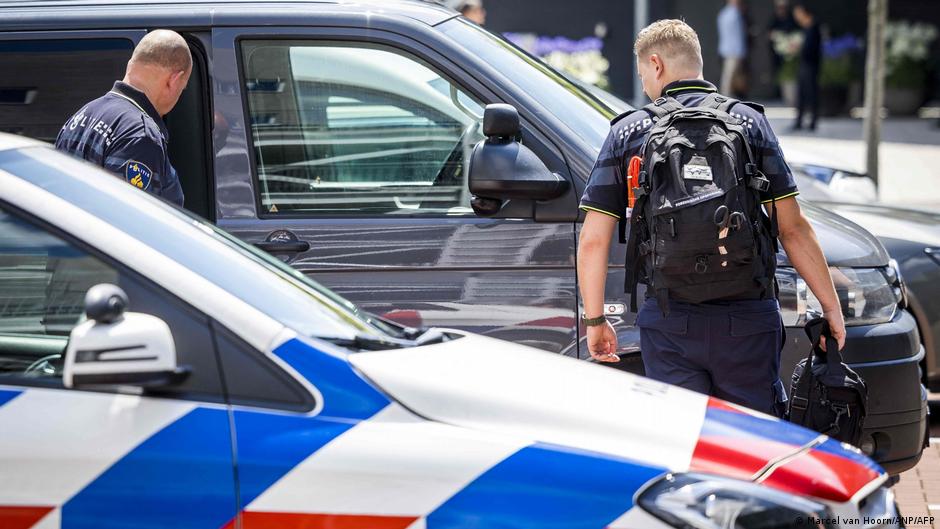
The searches were carried out on September 8 at residential and commercial properties linked to the businesspeople in Neustadt an der Weinstrasse, in the German state of Rhineland-Palatinate, and in Vienna. Law enforcement agencies from Germany, Austria and Belgium took part in the operation.
During the searches in Germany, authorities seized two vehicles, a Porsche and a Mercedes-Benz. In Austria, officials seized 85,000 euros in cash. A further 278,000 euros was frozen in bank accounts in Germany, Austria and Belgium. Prosecutors also said three hunting rifles and ammunition were found at the Neustadt premises of one entrepreneur, prompting a separate investigation into a possible violation of weapons legislation.
Both suspects have so far exercised their right to remain silent, according to prosecutors. The investigation is continuing.
The matter comes as capital markets continue to assess the financial and reputational costs of sanctions breaches. For listed manufacturers and distributors, direct exposure to sanctioned markets can affect investor confidence, even when allegations concern downstream dealers rather than corporate headquarters. For banks and payment firms, the case reinforces the importance of screening trade finance, account activity and cross-border transfers involving jurisdictions commonly cited in sanctions-circumvention probes.
European equities tied to autos have already been navigating a difficult mix of weaker demand, competition from China, electrification costs and tariff uncertainty. Sanctions enforcement does not necessarily shift sector valuations by itself, but repeated cases can add another layer of perceived operational risk, especially for luxury marques whose products remain attractive in restricted markets.
Bond investors may also view such cases through the lens of governance and compliance controls. Issuers with complex distribution networks, franchised dealerships or exposure to gray-market trade can face questions over internal monitoring, contractual safeguards and the practical enforceability of end-use restrictions. The direct financial sums in individual cases may be limited, but enforcement trends can shape risk premia when they point to systemic control weaknesses.
A Broader Enforcement Pattern
The latest searches follow earlier German cases involving luxury vehicles supplied to Russia in violation of sanctions. In March, a court in Wuerzburg sentenced a Bavarian car dealer to six years in prison for supplying 111 luxury vehicles to Russia in breach of sanctions. According to investigators in that case, the vehicles reached employees of the FSB, the Federal Protective Service, Rosneft and the Russian presidential administration.
In July 2025, an employee of a car dealership in Hesse was sentenced to five years in prison for selling 71 luxury vehicles to Russia, also through sanctions-bypassing arrangements.
Such cases are not isolated. In May 2025, it was reported that German prosecutors were investigating more than 40 cases linked to deliveries of expensive cars to Russia. Media reports described a campaign by German justice authorities against dishonest car dealers, while experts noted that only a small share of shadow deliveries was being intercepted.
The issue extends beyond Europe’s immediate neighborhood. In February, Reuters reported that tens of thousands of vehicles, including German luxury cars, were being exported to Russia through China in circumvention of sanctions. Some of those cars were produced in China by foreign companies, while others were imported into China from abroad. New cars were reportedly registered as used vehicles, allowing sellers to avoid obtaining manufacturers’ approval for sales to Russia.
For investors today, the practical takeaway is that sanctions risk remains dynamic rather than settled. Enforcement actions can arise years after alleged conduct begins, asset freezes can cross borders, and third-country routing remains a central focus for prosecutors. In capital markets terms, that keeps compliance quality, distributor oversight and exposure to high-risk transit jurisdictions firmly on the due-diligence checklist for companies connected to luxury autos and transport equipment.